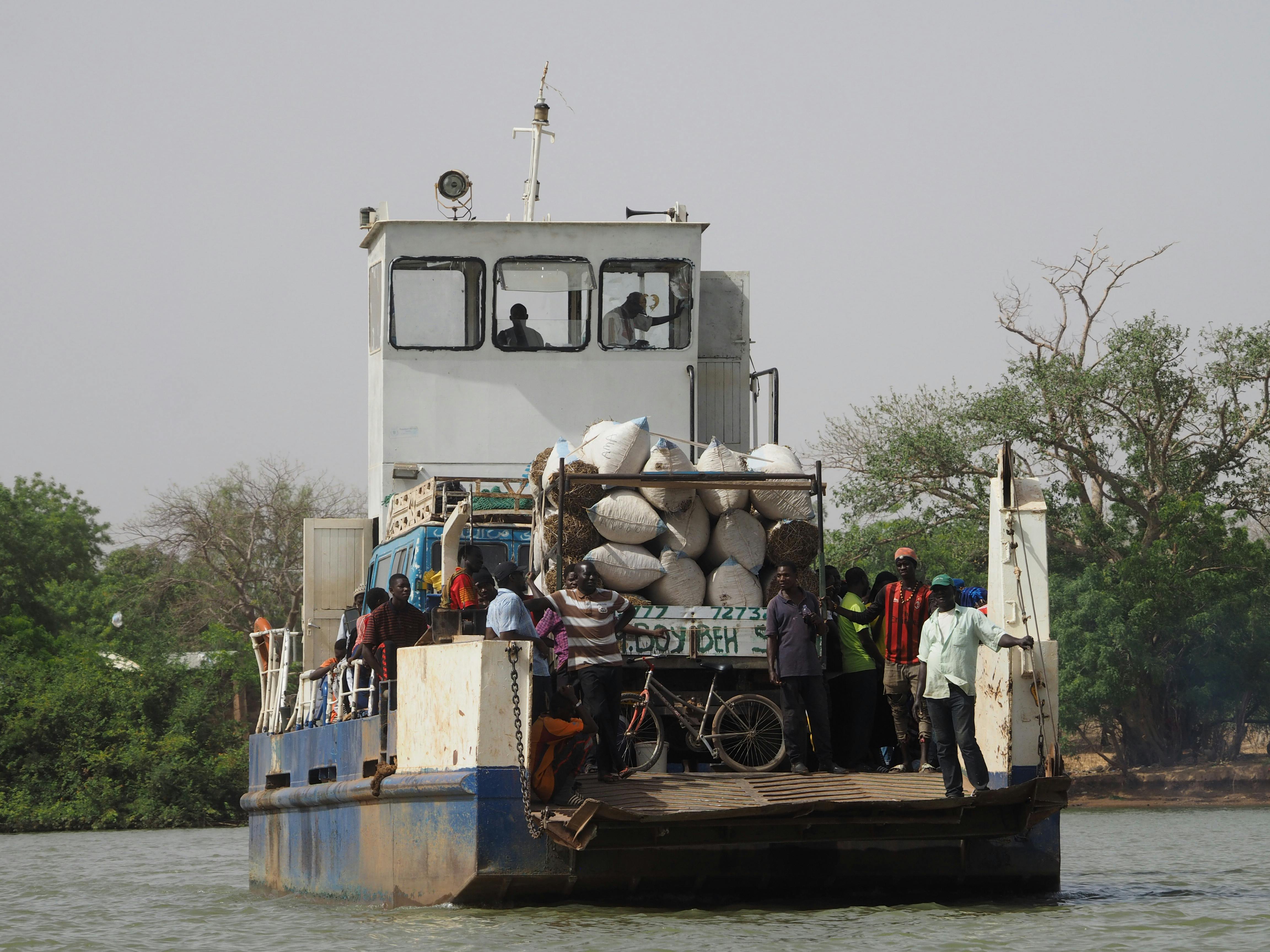
Salt Water Intrusion in Gambia: A Growing Threat to Agriculture
Quick read below — save or share if useful.
The alarming intrusion of salt water into farmlands in The Gambia is becoming a telling indicator of how climate change manifests locally. Once, saltwater from the Atlantic Ocean reached only 150 kilometers from the mouth of The Gambia River; recent reports suggest it now penetrates over 300 kilometers, threatening agriculture in a region that relies heavily on its fertile lands. This situation not only jeopardizes food security but also highlights the far-reaching impacts of rising sea levels, underscoring the urgent need for climate action.
Why this matters
The implications of saltwater intrusion extend beyond The Gambia's borders. Agricultural communities worldwide are grappling with climate change's multifaceted challenges, including intensified droughts, flooding, and shifting weather patterns. Saltwater intrusion disrupts not just local ecosystems but also uplifts issues of food sovereignty, economic livelihoods, and community resilience. As climate-related crises become more prevalent, they threaten the very fabric of societies reliant on natural resources and emphasize the urgency for sustainable practices and policies on a global scale.
What is happening
The Gambia, known for its agricultural output, is facing a crisis as saltwater from the Atlantic Ocean makes its way into the heart of the country. This escalating intrusion, largely attributed to rising sea levels caused by climate change, greatly affects essential crops and freshwater sources. Farmers are beginning to notice the negative effects on soil quality, leading to reduced crop yields and increased costs for irrigation as they attempt to combat the salty encroachment that jeopardizes their livelihoods.
The situation compellingly illustrates the intersecting issues of climate change and food security, especially in nations that are often less equipped to adapt to such drastic environmental shifts. According to experts, prolonged exposure to saline conditions can render once-productive land practically sterile, forcing farmers to abandon their fields. This not only entails the loss of income for families but also impacts the broader economy, threatening the stability of food supply chains within the region.
Moreover, rising sea levels are not solely responsible for this pressing challenge; they also contribute to increased erosion and flooding during storms, further exacerbating agricultural vulnerabilities. As communities witness these changes firsthand, they face tough decisions about whether to invest in adaptation strategies or relocate entirely. The question remains: how can affected communities be supported in navigating this difficult landscape?
What readers can take away
- Understand the connection between climate change and local agriculture: Awareness of how global issues like sea-level rise can directly affect local economies and food systems is critical for advocating sustainable practices.
- Support policies that promote resilience: Engaging with and supporting legislation and initiatives that focus on climate adaptation can significantly impact vulnerable communities.
- Consider personal consumption choices: By choosing locally sourced food and supporting sustainable farming practices, individuals can contribute to strengthening local economies and addressing climate change impacts.
- Educate others about the issue: Sharing knowledge about the implications of climate change and saltwater intrusion on agriculture can help mobilize support for affected communities.
- Stay informed: Keeping abreast of developments in climate science and policy can empower individuals to hold governments accountable for action.
FAQ
What causes saltwater intrusion?
Saltwater intrusion is primarily caused by rising sea levels, often linked to climate change, which allows saltwater to penetrate freshwater systems and agricultural lands.
How does saltwater intrusion affect agriculture?
Saltwater intrusion can diminish soil quality, leading to decreased crop yields, increased irrigation costs, and ultimately the abandonment of farmland, which disrupts local food supply and economies.
What steps can be taken to mitigate the effects of saltwater intrusion?
Some mitigation strategies include implementing better water management practices, using salt-resistant crop varieties, and engaging in community education on sustainable agricultural techniques.
Original source: read more here.
- 𝕏 Twitter: @0_Simone_0
- 🎥 YouTube: Audiobook Free – Author Ciro Irmici
- 📸 Instagram: @spartaco_94_
- 💻 Tech Trends: techtrendspins.blogspot.com
- 💪 Fitness Home Journal: fitnesshomejournal.blogspot.com
- 🐾 Pet Care Inspo: petcareinspo.blogspot.com
- 🌍 Nomad Vibes Board: nomadvibesboard.blogspot.com
- 💰 Crypto Radar Board: cryptoradarboard.blogspot.com
- 🌱 Green Planet Pins: greenplanetpins.blogspot.com
- 🥗 Healthy Eats Board: healthyeatsboard.blogspot.com
Enjoyed this post? Share it or explore more across my blogs and channels.