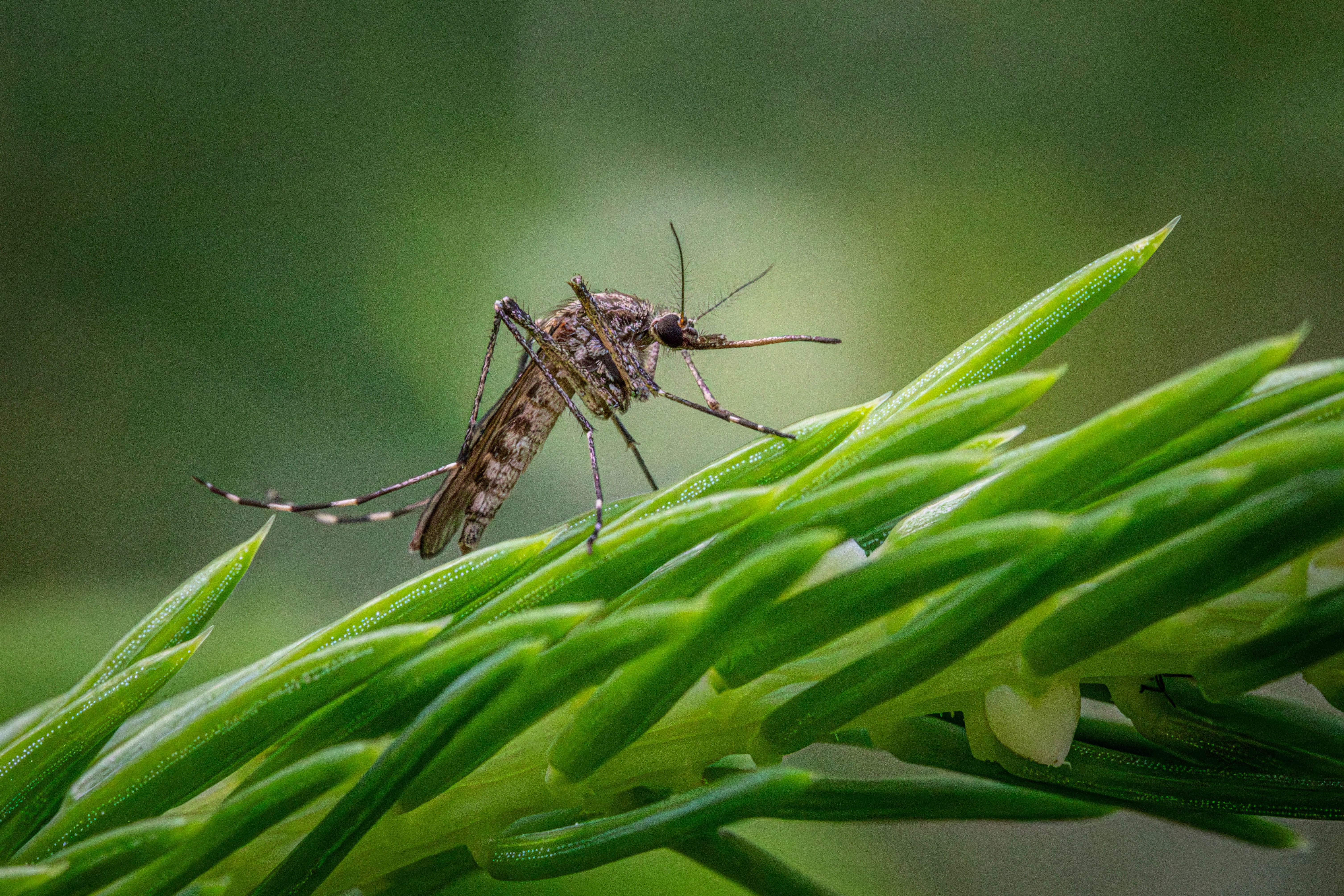
"Monitoring Mosquito Expansion in New England: A Key to Disease Prevention"
Quick read below — save or share if useful.
As climate change continues to alter ecosystems around the globe, one of the less-discussed consequences is the expansion of mosquito populations into regions previously considered temperate. This shift not only affects summer leisure activities but also poses a significant risk for the spread of mosquito-borne diseases, making effective monitoring and public awareness critical for safeguarding community health.
Why this matters
The movement of mosquito species into new territories is more than just an inconvenience for those enjoying summer activities. It reflects wider environmental changes that are indicative of a warming planet. Regions once thought to be safe from diseases such as West Nile virus, Zika, and Eastern equine encephalitis are now at risk. As temperatures rise and precipitation patterns shift, the suitable habitats for these vectors expand. This scenario raises alarm bells not only for public health officials but also for outdoor enthusiasts and homeowners as they navigate an evolving risk landscape.
What is happening
Recent studies highlight that climate change is allowing certain mosquito species to thrive in areas that were once too cold for them to survive. In regions like New England, warmer summers and milder winters create ideal breeding conditions, resulting in increased populations of mosquitoes capable of disseminating diseases. This trend has prompted experts to call for improved surveillance and monitoring systems to keep pace with changing mosquito distributions. Effective tracking can help identify new outbreaks early on, and inform strategies for mosquito control, public health messaging, and personal protective measures.
Additionally, as urban areas expand and develop, new habitats are being created that can foster mosquito growth. Stagnant water in constructed zones, coupled with the rising temperatures, illustrates the pressing need for communities to adapt and prepare for potential health crises linked to these pests. While local authorities typically ramp up vector control efforts during peak mosquito seasons, inconsistencies in monitoring may leave populations unchecked, further elevating health risks.
What readers can take away
- Stay informed about the presence of mosquito-related diseases in your area, particularly as climate patterns shift.
- Engage with local health departments regarding their monitoring efforts and advocate for community awareness initiatives.
- Implement personal protective measures, such as using insect repellent, wearing appropriate clothing, and minimizing standing water around your home.
- Support sustainable practices that mitigate climate change impacts, such as reducing carbon footprints and advocating for greener urban planning.
- Consider creating a backyard habitat that diminishes mosquito breeding, such as ensuring proper drainage and using natural repellents.
FAQ
How does climate change affect mosquito populations?
Climate change leads to warmer temperatures and altered precipitation, creating more favorable conditions for mosquito breeding and survival. This expansion allows mosquitoes to thrive in areas where they were previously nonviable.
What diseases are linked to mosquitoes expanding into new regions?
Diseases like West Nile virus, Zika, dengue fever, and Eastern equine encephalitis are transmitted by mosquitoes and can spread to new areas as their populations increase due to changing climate conditions.
What can communities do to monitor and prevent mosquito-borne diseases?
Communities can enhance monitoring efforts through surveillance programs, educate the public about risks, and promote mosquito control measures, such as reducing standing water and using insecticides where necessary.
Original source: read more here.
- 𝕏 Twitter: @0_Simone_0
- 🎥 YouTube: Audiobook Free – Author Ciro Irmici
- 📸 Instagram: @spartaco_94_
- 💻 Tech Trends: techtrendspins.blogspot.com
- 💪 Fitness Home Journal: fitnesshomejournal.blogspot.com
- 🐾 Pet Care Inspo: petcareinspo.blogspot.com
- 🌍 Nomad Vibes Board: nomadvibesboard.blogspot.com
- 💰 Crypto Radar Board: cryptoradarboard.blogspot.com
- 🌱 Green Planet Pins: greenplanetpins.blogspot.com
- 🥗 Healthy Eats Board: healthyeatsboard.blogspot.com
Enjoyed this post? Share it or explore more across my blogs and channels.