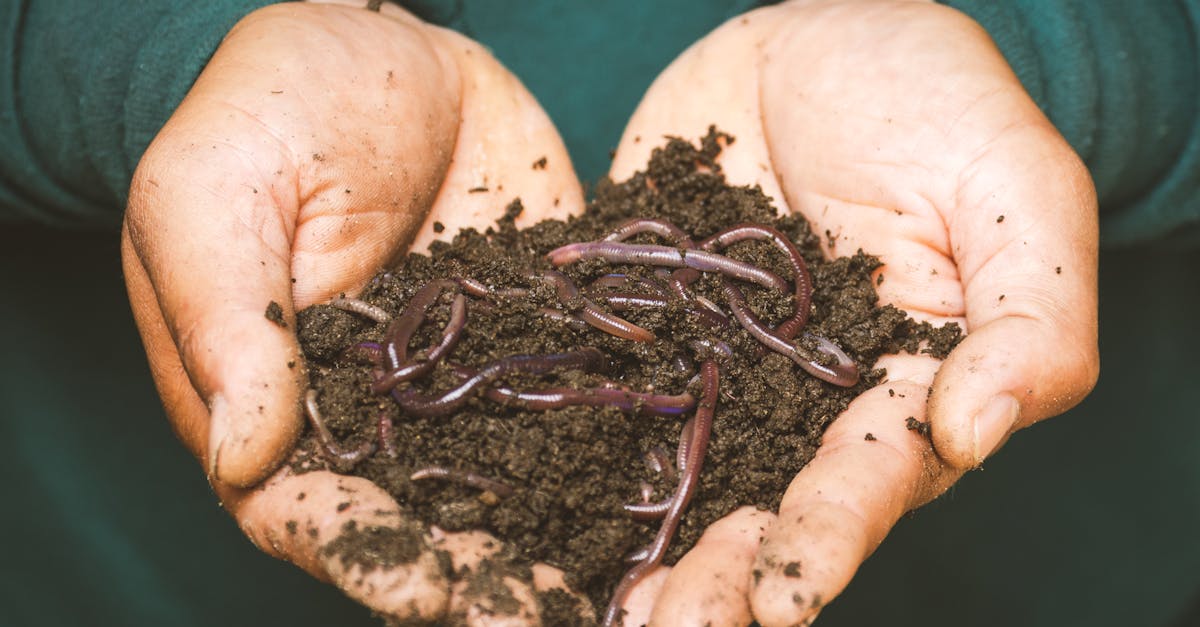
Human fear and misunderstanding of invertebrates—often dismissed as mere ‘bugs’—are threatening the delicate balance of ecosystems worldwide. These small creatures, essential for pollination, nutrient cycling, and sustaining food webs, are disappearing at alarming rates. According to recent discussions highlighted in The Guardian, preserving these creatures is not just about protecting biodiversity; it is fundamental to the survival of life as we know it.
Why this matters
Invertebrates, which include insects, mollusks, arachnids, and many other small animals without backbones, comprise over a million known species and make up the vast majority of animal life on Earth. Despite their size, their ecological contributions are enormous. They support plant growth through pollination, break down organic material to enrich soil, and serve as primary food sources for birds, bats, and fish.
The ongoing decline of invertebrate populations threatens to destabilize these vital ecosystem functions. The loss of pollinators alone could jeopardize global food security, while dwindling detritivores impair soil health and carbon cycling. Environmental degradation, pesticide overuse, habitat destruction, and climate change are all driving this rapid decline, forcing scientists, conservationists, and naturalists to raise urgent alarms.
Public perception, often fueled by fear or aversion, worsens the situation. Many people automatically label invertebrates as ‘pests’, compounding the pressure through indiscriminate pesticide use and habitat neglect. Changing this mindset is critical, as human activity remains the key factor influencing their survival.
What is happening
Chris Packham, a naturalist and environmental campaigner, has illuminated this crisis by emphasizing the overlooked beauty and importance of invertebrates. In the Guardian’s Invertebrate of the Year competition for 2026, the winning species was the leaf sheep—a small, bright green marine slug living in tropical waters around Japan, Indonesia, and the Philippines. This remarkable creature uses algae to power itself, showcasing a complex evolutionary relationship rarely seen in other animals. This example highlights how little we truly understand these species even close to home.
Packham also recounts encounters with other extraordinary invertebrates, such as the horseshoe crab, which can appear in such large numbers during spawning that beaches seem transformed into scenes from primordial times. Additionally, he discovered a parasitic wasp species in his own kitchen, revealing how everyday environments are filled with fascinating and ecologically significant invertebrates.
Despite past steps like banning certain harmful pesticides in the UK, this year saw the approval of neonicotinoids again for “emergency” use on sugar beet crops, a decision with potential negative impacts on insect populations. France's successful reduction of pesticide use on farmland illustrates what can be done, but the UK is seen as lagging behind. Packham calls for increased public pressure on governments to enact tighter controls on pesticides and promote policies that sustain invertebrate life.
What readers can take away
- Reconsider your perception of invertebrates: Instead of fearing or disregarding them, take time to learn about their roles and fascinating biology.
- Create habitats where possible: Plant nectar-rich flowers and allow gardens or yards to grow wild to provide food and shelter for pollinators and other beneficial insects.
- Avoid unnecessary pesticide use: Opt for natural pest management and encourage local and national efforts to regulate harmful chemicals more strictly.
- Support conservation initiatives: Engage with citizen science, naturalist groups, or awareness campaigns like the Invertebrate of the Year.
- Advocate for policy change: Use your voice to push for government reforms that protect invertebrate populations and their habitats.
What to watch next
Keep an eye on any upcoming parliamentary debates or decisions regarding pesticide approvals in the UK, especially relating to neonicotinoids and similar insecticides. Public mobilization may influence whether emergency exemptions continue or are rescinded. Globally, the growing attention to pollinator health and soil biodiversity could see new international agreements or funding for conservation projects in the near future.
FAQ
Why are invertebrates so important to ecosystems?
Invertebrates perform essential functions such as pollinating plants, decomposing organic matter to enrich soils, and providing food for many vertebrates. Their activity supports plant growth, nutrient cycling, and overall ecosystem stability—without them, many species, including humans, would face severe consequences.
How can I help protect invertebrates in my area?
You can foster invertebrate populations by planting native wildflowers and nectar-rich plants, reducing or eliminating pesticide use, creating small natural habitats like log piles or ponds, and supporting local conservation efforts. Even small actions in gardens and green spaces can make a significant difference.
Are pesticides the main cause of invertebrate decline?
Pesticides are a major threat but not the only one. Habitat loss, climate change, pollution, invasive species, and disease also contribute to their decline. Tackling pesticide use is vital but must be combined with broader environmental protections to sustain invertebrate diversity.
Original source: read more here.
- 𝕏 Twitter: @0_Simone_0
- 🎥 YouTube: Audiobook Free – Author Ciro Irmici
- 📸 Instagram: @spartaco_94_
- 💻 Tech Trends: techtrendspins.blogspot.com
- 💪 Fitness Home Journal: fitnesshomejournal.blogspot.com
- 🐾 Pet Care Inspo: petcareinspo.blogspot.com
- 🌍 Nomad Vibes Board: nomadvibesboard.blogspot.com
- 💰 Crypto Radar Board: cryptoradarboard.blogspot.com
- 🌱 Green Planet Pins: greenplanetpins.blogspot.com
- 🥗 Healthy Eats Board: healthyeatsboard.blogspot.com
Enjoyed this post? Share it or explore more across my blogs and channels.