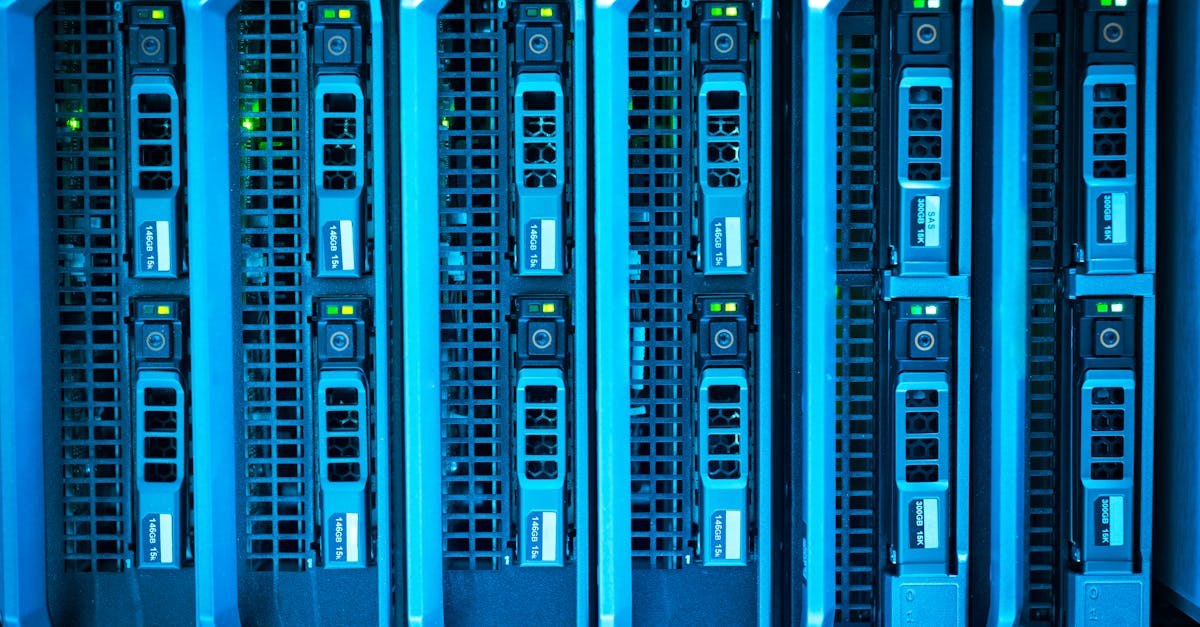
As data centers continue to multiply across the United States, questions about their collective environmental impact are gaining urgency. In one county, local officials are actively seeking to measure just how much pollution might arise when clusters of these facilities settle near each other. This investigation matters because data centers, while essential for modern digital life, can consume vast amounts of energy and generate significant heat and emissions. Understanding their true environmental footprint is crucial for communities and policymakers deciding whether to approve new developments.
Why this matters
Data centers are the backbone of internet services, cloud computing, and digital storage. Yet their environmental impact is significant. These facilities require continuous power to run thousands of servers and sophisticated cooling systems to prevent overheating. This power often comes from fossil-fuel-based energy sources, contributing to greenhouse gas emissions and local air pollution. When multiple data centers cluster in one area, their combined energy consumption and pollution could strain local infrastructure and harm community health. Without accurate assessments, planning commissions may overlook these cumulative effects, risking environmental degradation and undermining efforts to combat climate change.
What is happening
According to a New York Times report highlighted by EnvNewsBits, thousands of data centers are seeking approvals across the country, with some regions watching as multiple proposals cluster within the same neighborhoods. In one unnamed county, local authorities have pushed for clearer answers on how dirty these clusters might be. They want to understand not only the electricity usage but also the potential pollution emissions linked to these large groups of data centers.
Traditionally, local zoning boards and planning commissions review projects individually, often focusing more on land use and economic benefits than detailed environmental impacts. However, this county’s inquiry marks a shift toward questioning aggregate pollution from multiple facilities and how it might compound over time.
Details in the source article remain thin, but the interest reflects growing public concern about the unseen environmental costs of data infrastructure expansion. With no straightforward answers, regulators are seeking data that could influence future approval processes and sustainability standards for data center construction.
What readers can take away
- Data centers consume enormous amounts of electricity, often sourced from fossil fuels, meaning their environmental effects go beyond local noise or traffic concerns.
- When multiple data centers cluster together, their total energy demand and emissions may rise sharply, potentially outpacing what existing infrastructure can support sustainably.
- Local government scrutiny is increasing, indicating that environmental impact assessments might become more rigorous, aiming to better evaluate the cumulative footprint rather than focusing on each center in isolation.
- Communities living near data center clusters may face increased environmental and health challenges unless emissions are carefully monitored and managed.
- Transparency around energy sourcing and pollution from data centers is essential for balancing technological growth with sustainable development goals.
What to watch next
Keep an eye on upcoming local government meetings in the county pursuing detailed pollution data from clustered data centers. The results could influence stricter zoning regulations or environmental standards that other regions may adopt. Further studies and data disclosures are likely to emerge as more communities question the cumulative effects of data centers and seek to limit their environmental harm.
FAQ
Why are data centers considered environmentally impactful?
Data centers require continuous electricity to power servers and cooling systems, often generating significant greenhouse gas emissions if the energy comes from non-renewable sources.
What does it mean when data centers cluster together?
Clustering refers to multiple data centers located near each other. This can increase local energy demand and pollution, potentially causing compounded environmental effects not fully accounted for when evaluating individual projects.
How are local governments responding to data center expansions?
Some local governments are beginning to demand more comprehensive environmental impact assessments, focusing on the combined pollution and energy use from clustered facilities, which may lead to tighter regulations or new sustainability requirements.
Original source: read more here.
- 𝕏 Twitter: @0_Simone_0
- 🎥 YouTube: Audiobook Free – Author Ciro Irmici
- 📸 Instagram: @spartaco_94_
- 💻 Tech Trends: techtrendspins.blogspot.com
- 💪 Fitness Home Journal: fitnesshomejournal.blogspot.com
- 🐾 Pet Care Inspo: petcareinspo.blogspot.com
- 🌍 Nomad Vibes Board: nomadvibesboard.blogspot.com
- 💰 Crypto Radar Board: cryptoradarboard.blogspot.com
- 🌱 Green Planet Pins: greenplanetpins.blogspot.com
- 🥗 Healthy Eats Board: healthyeatsboard.blogspot.com
Enjoyed this post? Share it or explore more across my blogs and channels.