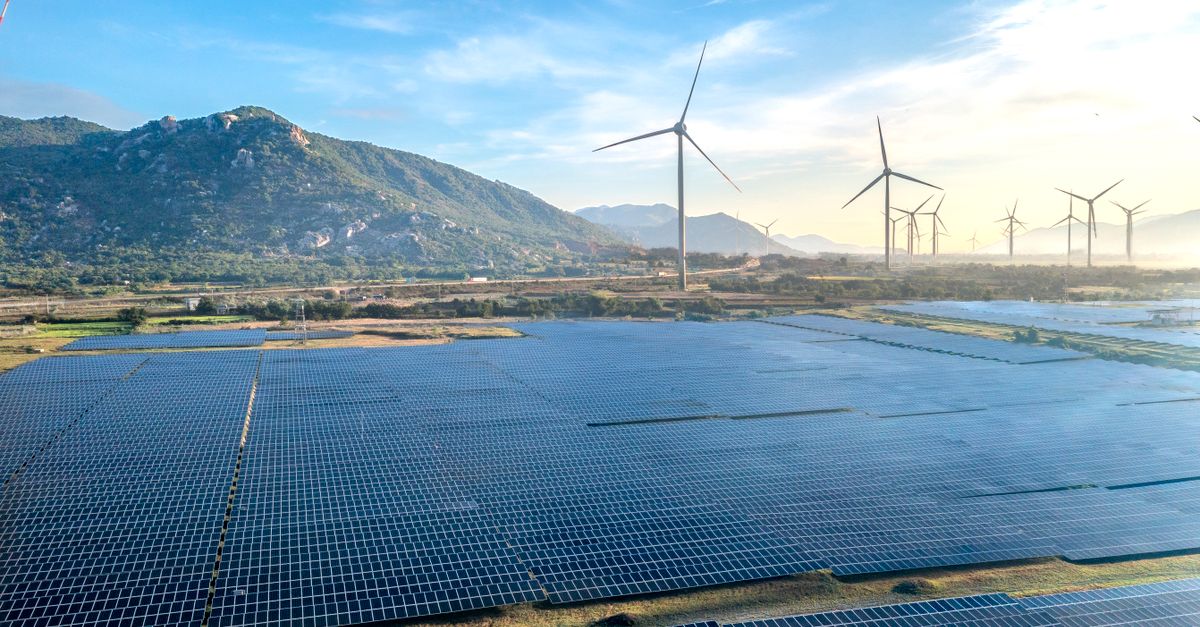
Despite early attempts by the Trump administration to stall the growth of clean energy in the United States, solar and wind power are experiencing a significant boom, with new capacity additions projected to reach a record 45 gigawatts in 2026. This surge equates to meeting the average electricity demand of an entire country like Turkey, highlighting a rapid and unexpected expansion in renewables that stands firm even amid political and economic headwinds. For those invested in climate progress and sustainable energy, this growth underscores the resilience and increasing economic viability of clean energy technologies.
Why this matters
The expansion of clean energy sources such as solar and wind is central to reducing carbon emissions and mitigating climate change impacts. As the world grapples with rising global temperatures, transitioning away from fossil fuels toward sustainable energy has never been more urgent. Meeting increased electricity demand with renewable power helps limit greenhouse gas emissions and reduces reliance on volatile fossil fuel markets, which can be affected by geopolitical conflicts and supply disruptions. Additionally, the growth of clean energy infrastructure stimulates economic opportunity and technological innovation, fostering energy independence and creating green jobs.
What is happening
According to S&P Global Energy, the United States is adding about 45 gigawatts of new clean energy capacity in 2026—a roughly 25 percent increase over the previous record set in 2024. This growth comes even as the Trump administration initially sought to inhibit the solar and wind energy rollout through legislative and regulatory measures, including cutting tax credits and delaying project approvals.
Several factors contribute to this unexpected boom. Rising power demand fueled by the rapid expansion of artificial intelligence data centers and the electrification of homes and vehicles is a major driver. Additionally, global energy prices have surged due to geopolitical tensions, including a war involving Iran, making renewable energy more attractive economically. Developers are also racing to start projects before tax credits expire, which has accelerated new installations.
While the Trump administration continues to emphasize record-high oil and gas production, internal pragmatism appears, as officials recognize that renewables have become indispensable to the energy mix. Courts have consistently blocked attempts to halt wind power construction, and some clean energy advocates with administration ties have successfully lobbied for project approvals, particularly in areas well-suited for solar development.
Clean energy additions in 2026 are expected to see solar capacity jump by nearly a third and wind by almost 50 percent compared to the previous year. Projections indicate solar will continue breaking records into 2027, while wind capacity experiences some fluctuation before rebounding. Economically, producing solar and wind energy is cheaper than gas, with break-even power prices near $37–$38 per megawatt-hour compared to at least $48 for natural gas-generated electricity.
What readers can take away
- Clean energy growth is robust even in politically challenging environments: Policies can influence pace but market demand and economic incentives often drive long-term trends.
- Rising electricity demand from technology sectors and electrification creates new opportunities for renewables: Consumers should expect continued shifts toward clean power as data centers, EVs, and electric appliances gain ground.
- Deadlines for expiring tax credits can accelerate renewable project development: This shows the critical role of targeted government incentives in encouraging clean energy investment.
- Energy security concerns strengthen the case for renewables: Weather events and geopolitical conflicts can make fossil fuels less reliable and renewables an attractive alternative.
- Consumers, especially in vulnerable regions, are increasingly adopting home batteries and solar panels: These technologies enhance resilience and reduce reliance on traditional power grids.
What to watch next
Solar and wind developers face deadlines set by the One Big Beautiful Bill Act, with work needing to begin on projects by July 4, 2026, and completion required by 2030 to qualify for tax credits. How these timelines affect the pace of construction and investment will be critical to watch. Additionally, the eventual expiration of Biden-era subsidies may lead to notable shifts in electricity pricing and market dynamics, potentially spurring further innovation in storage and grid management technologies to handle renewable intermittency.
FAQ
Why is clean energy growing despite the Trump administration’s efforts to slow it down?
Economic factors like rising electricity demand driven by AI and electric vehicle adoption, coupled with geopolitical events pushing up fossil fuel prices, have made renewable energy more attractive. Project developers also accelerated construction to meet tax credit deadlines. Moreover, courts and pragmatic officials have limited administrative barriers, allowing growth to continue.
What role do tax credits and subsidies play in renewable energy development?
Tax credits significantly reduce the upfront investment cost for solar and wind projects, encouraging developers to start construction quickly. These financial incentives help renewables compete with fossil fuels and drive faster adoption, especially when paired with rising demand for clean electricity.
How might the clean energy market change after existing subsidies expire?
Electricity prices could rise by 40 to 120 percent, making renewable projects potentially more profitable despite fewer subsidies. This may also increase pressure to improve energy storage solutions and grid infrastructure to handle renewable variability, ensuring stable power supply as renewables gain a larger share of the energy mix.
Original source: read more here.
- 𝕏 Twitter: @0_Simone_0
- 🎥 YouTube: Audiobook Free – Author Ciro Irmici
- 📸 Instagram: @spartaco_94_
- 💻 Tech Trends: techtrendspins.blogspot.com
- 💪 Fitness Home Journal: fitnesshomejournal.blogspot.com
- 🐾 Pet Care Inspo: petcareinspo.blogspot.com
- 🌍 Nomad Vibes Board: nomadvibesboard.blogspot.com
- 💰 Crypto Radar Board: cryptoradarboard.blogspot.com
- 🌱 Green Planet Pins: greenplanetpins.blogspot.com
- 🥗 Healthy Eats Board: healthyeatsboard.blogspot.com
Enjoyed this post? Share it or explore more across my blogs and channels.