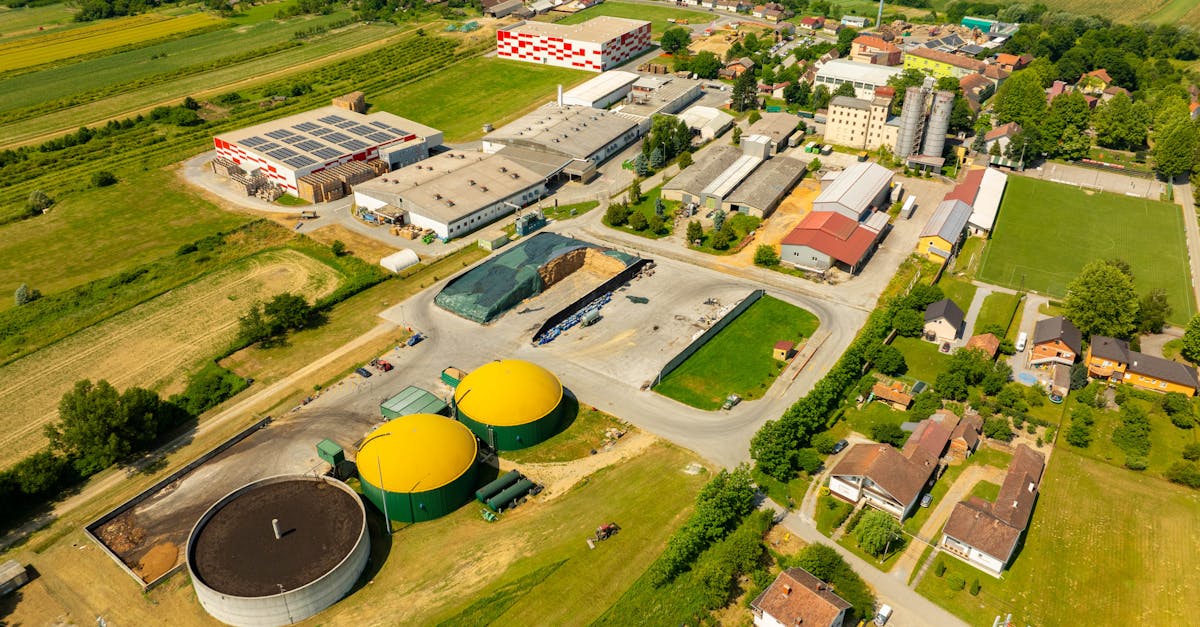
The International Energy Agency (IEA) has unveiled a groundbreaking interactive tool designed to unlock the global biogas potential through a detailed mapping platform. This innovative resource enables governments, investors, utilities, and developers to pinpoint locations where biogas and biomethane projects are likely to thrive, thus offering a promising pathway towards cleaner energy solutions. As the world grapples with climate change and the need for sustainable energy, such tools are invaluable in fostering a transition to renewable resources and reducing carbon footprints.
Why this matters
The urgent need to address climate change has propelled the shift from traditional fossil fuels to sustainable energy sources. Biogas, produced through the anaerobic digestion of organic materials, represents a significant opportunity for generating renewable energy while also managing waste. This process not only provides a cleaner form of energy but also helps reduce greenhouse gas emissions, offering a dual advantage in the fight against climate change. The use of the IEA’s new mapping tool could accelerate investment and development in biogas infrastructure, thereby promoting energy security and environmental protection. By providing a clearer picture of where resources are available and most feasible to harness, this initiative may catalyze efforts to diversify energy portfolios and enhance sustainability on a global scale.
What is happening
The IEA's interactive mapping platform is built on its Biogases Geospatial Resource Assessment Model (BioGRAM), allowing stakeholders to evaluate the viability of biogas and biomethane projects effectively. This tool synthesizes a wide array of data, including the availability of feedstocks, existing anaerobic digestion facilities, and potential biogas production outcomes. By laying out this information visually, the tool aids policymakers and business leaders in making informed decisions about investments and project developments in the biogas sector.
As nations worldwide are increasingly turning to biogas as a strategic resource within their renewable energy strategies, this tool arrives at a crucial time. With specific projections, stakeholders can now identify regions with the highest potential for biogas generation, facilitating targeted development efforts and enhancing the chances of project success. The mapping tool is expected to serve as a vital resource as countries ramp up their transition toward sustainable energy systems, aiding in the reduction of reliance on fossil fuels.
What readers can take away
- The IEA's new mapping tool offers a unique opportunity for stakeholders to assess the potential for biogas and biomethane production globally.
- Increasing biogas use can significantly reduce greenhouse gas emissions, contributing positively to climate change mitigation efforts.
- Identifying regions with high biogas potential can steer investment and development, creating jobs and boosting local economies.
- The interactive nature of the tool may promote collaboration between governments and private entities in developing biogas infrastructure.
- As biogas projects become more prominent, consumers may see an increase in green energy options, contributing to a more sustainable energy consumption model.
FAQ
What is biogas?
Biogas is a renewable energy source produced through the anaerobic digestion of organic matter, such as agricultural waste, food waste, and sewage. It is primarily composed of methane and carbon dioxide and can be used for heating, electricity generation, and as a vehicle fuel.
How does the IEA's mapping tool work?
The IEA's mapping tool utilizes the Biogases Geospatial Resource Assessment Model (BioGRAM) to combine data about feedstock availability and existing biogas infrastructure, along with potential production outputs. It visually represents this data, allowing users to identify suitable locations for biogas projects.
Why is biogas important for sustainability?
Biogas is significant for sustainability as it offers a renewable alternative to fossil fuels, reducing greenhouse gas emissions while also providing a solution for organic waste management. Its utilization can enhance energy security and contribute to a circular economy by recycling waste into valuable energy resources.
Original source: read more here.
- 𝕏 Twitter: @0_Simone_0
- 🎥 YouTube: Audiobook Free – Author Ciro Irmici
- 📸 Instagram: @spartaco_94_
- 💻 Tech Trends: techtrendspins.blogspot.com
- 💪 Fitness Home Journal: fitnesshomejournal.blogspot.com
- 🐾 Pet Care Inspo: petcareinspo.blogspot.com
- 🌍 Nomad Vibes Board: nomadvibesboard.blogspot.com
- 💰 Crypto Radar Board: cryptoradarboard.blogspot.com
- 🌱 Green Planet Pins: greenplanetpins.blogspot.com
- 🥗 Healthy Eats Board: healthyeatsboard.blogspot.com
Enjoyed this post? Share it or explore more across my blogs and channels.