 GreenPlanet News

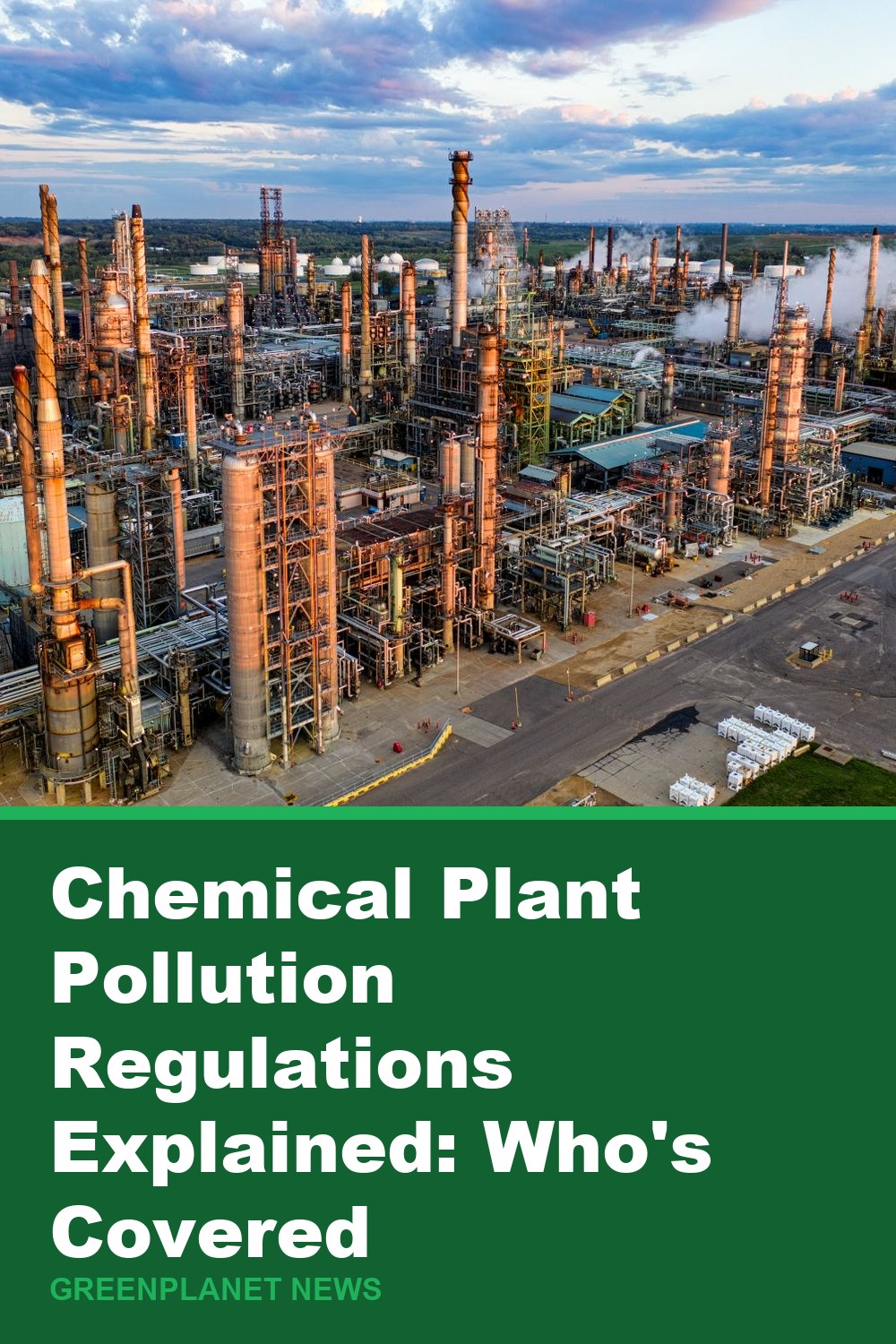
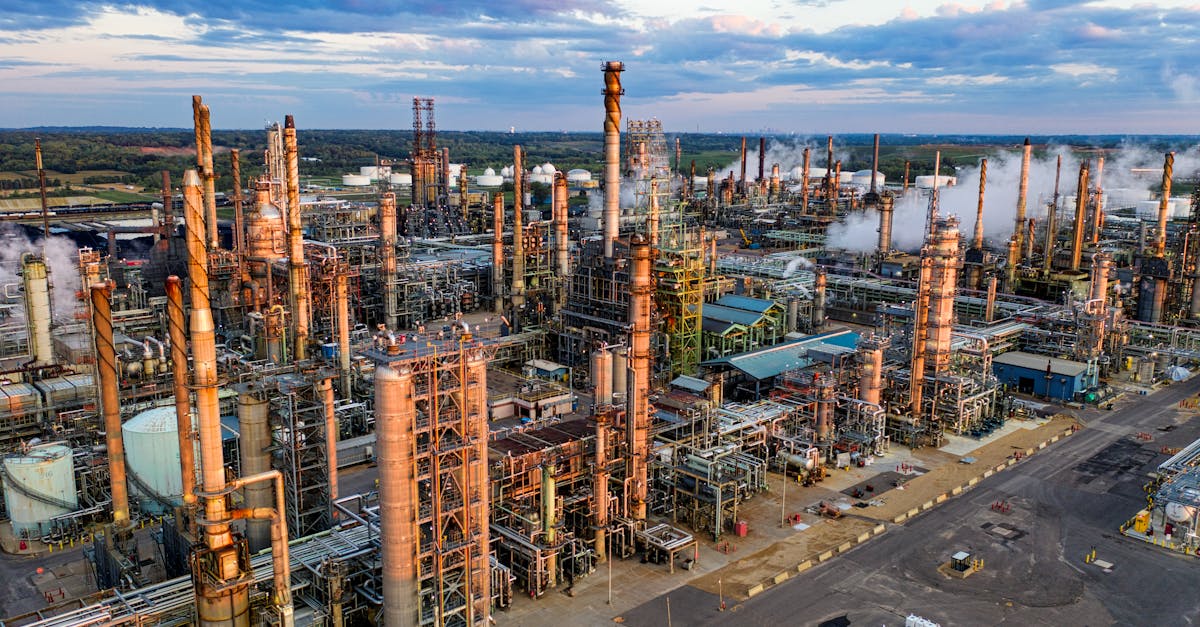
- The 2024 federal rules limit air toxics from chemical manufacturing plants, but exemptions now let some facilities step outside those limits.
- Neighbours of petrochemical plants face higher exposure to air toxics linked to breathing problems, cancer and developmental harm in children.
- Your best move is to find out whether a nearby plant has an exemption, then raise it locally and support air monitoring.
Chemical plant pollution regulations in the US are federal air toxics rules. In 2024 the Biden administration put in place comprehensive rules to limit harmful air pollutants from chemical manufacturing plants, with the aim of protecting the communities next door. They only protect people as far as they are enforced, though, and the Trump administration is now granting exemptions to numerous facilities. If you live near a petrochemical site, or are weighing up a move, it pays to know what the rules require and what an exemption changes.
This article is about US federal rules, so it is most directly useful to American households. UK readers can use the same questions and steps with their own local authority and regulator.
What do the federal air toxics rules for chemical plants do?
The rules adopted in 2024 were designed to cut the air toxics that petrochemical plants release, so that people living nearby are exposed to fewer harmful pollutants. The focus is the fence line: the point where a plant's emissions meet the neighbourhood around it.
Air toxics are not the same thing as the smog or particle pollution most people check on a weather app. They are the pollutants tied to serious health problems, including respiratory problems, cancer and developmental challenges in children. Communities close to petrochemical plants often deal with elevated levels of them.
Which facilities do the rules cover?
The 2024 regulations target chemical manufacturing plants, and the discussion centres on petrochemical facilities in particular. That means industrial sites that make chemicals, not the homes, shops or small businesses around them.
For a household, the practical question is whether one of these plants sits in your area. Three things to look for:
- Large industrial sites with stacks, storage tanks or pipework within a few miles of your home or your children's school.
- Any local news about a plant's emissions, expansions or complaints from neighbours.
- Whether your local officials have said anything about exemptions for a nearby facility.
How do exemptions weaken protection for nearby communities?
An exemption lets a facility bypass the strict requirements that the 2024 rules set. The plant is still there, still running, and its neighbours are still breathing the air around it. But it no longer has to meet the same standards, which reduces its accountability for the air toxics it produces.
The Trump administration has begun issuing these exemptions to numerous facilities, and the moves look like part of a wider effort to rewrite the rules that were meant to uphold community health standards. The full list of facilities has not been spelled out, but more announcements naming specific plants are expected.
The concern goes beyond any single plant. If the effort to reverse these protections succeeds, it could set a precedent that undermines long-term environmental progress as the pressures of climate change and industrial activity continue.
Who is most exposed when protections slip?
Communities living near chemical plants are often marginalised, and they already see higher rates of the illnesses linked to air pollution: respiratory illness and cancer among them. That is why the 2024 rules were seen as a step toward addressing environmental justice gaps, and why exemptions land hardest on the people with the least room to move away or push back.
Many readers will recognise the pattern from other stories on this blog, such as federal cuts to environmental justice programs.
Timeline: where the rules stand
- 2024: the Biden administration enacts comprehensive air pollution rules for chemical manufacturing plants, aimed at protecting nearby communities.
- Since then: the Trump administration begins issuing exemptions to numerous facilities and works to rewrite the rules.
- Next: announcements about specific facilities that may be granted exemptions are anticipated. These will show which neighbourhoods are affected.
How can you find out where your local plant stands? Five steps
There is no application form for clean air, but there is a sensible order of action. Each step costs little or nothing.
- Identify the plant. Note any chemical or petrochemical facility within reach of your home, school or workplace.
- Ask whether it has an exemption. Contact your state or local environmental agency, or your elected representative, and ask directly whether the facility has received an exemption from the 2024 rules.
- Keep a simple record. Write down dates of odours, haze, flaring or health symptoms in your household. A dated log is far more useful to officials than a general complaint.
- Join the local conversation. Attend community meetings and local environmental discussions, and see how public input on environmental rules is being handled, so you know when and how comments can still be made.
- Back the people who measure. Support organisations and initiatives that monitor air quality and chemical exposure in industrial areas. Their data is often what makes a problem hard to ignore.
What can go wrong, and what can you do at home?
Assuming the rules still apply in full. A rule on the books does not guarantee that every plant is bound by it. Ask about exemptions rather than assuming.
Waiting for the national picture to settle. Exemptions are being issued facility by facility, so the local picture matters more than the headline.
Treating a gadget as proof. A basic indoor air quality monitor can show you how your home's air changes over time, and a bedroom air purifier with a HEPA filter can cut the particles that drift indoors. Neither tells you which chemicals a plant is releasing, so treat them as comfort and record-keeping tools, not evidence against a facility.
Going it alone. One household's log carries less weight than a neighbourhood's. Compare notes with neighbours before you contact an agency.
For everyday habits that lower your chemical exposure indoors, see these simple tips from a toxicologist. They sit alongside, not in place of, strong rules for industry.
A quick checklist before you decide anything
- Do you know which chemical plants are near you?
- Have you asked whether any has been exempted from the 2024 rules?
- Are you keeping dated notes of odours, haze or symptoms?
- Do you know when the next local meeting on the issue is?
- Have you shared what you found with neighbours?
The main point to hold on to is that the protections from 2024 are real but not fixed. Exemptions can narrow them plant by plant, so the most useful thing a household can do is stay informed, ask the direct question about the facility nearby, and make local concern visible.
As an Amazon Associate I earn from qualifying purchases: if you buy through these links I may earn a small commission, at no extra cost to you. Each link opens a search on the Amazon store for your country.
Sources
Photo: Tom Fisk / Pexels

I'm an Italian creator who builds apps, games and websites. I run GreenPlanet News with the help of AI tools: every article starts from the sources linked above, and I check what goes out. I'm not a doctor, a lawyer or a financial adviser. Spotted a mistake or have an idea? Write to me.
Instagram @spartaco_94_My websiteWrite to meAbout this blog










 Green Investing 101: A Beginner's Guide to Sustainable Investments





