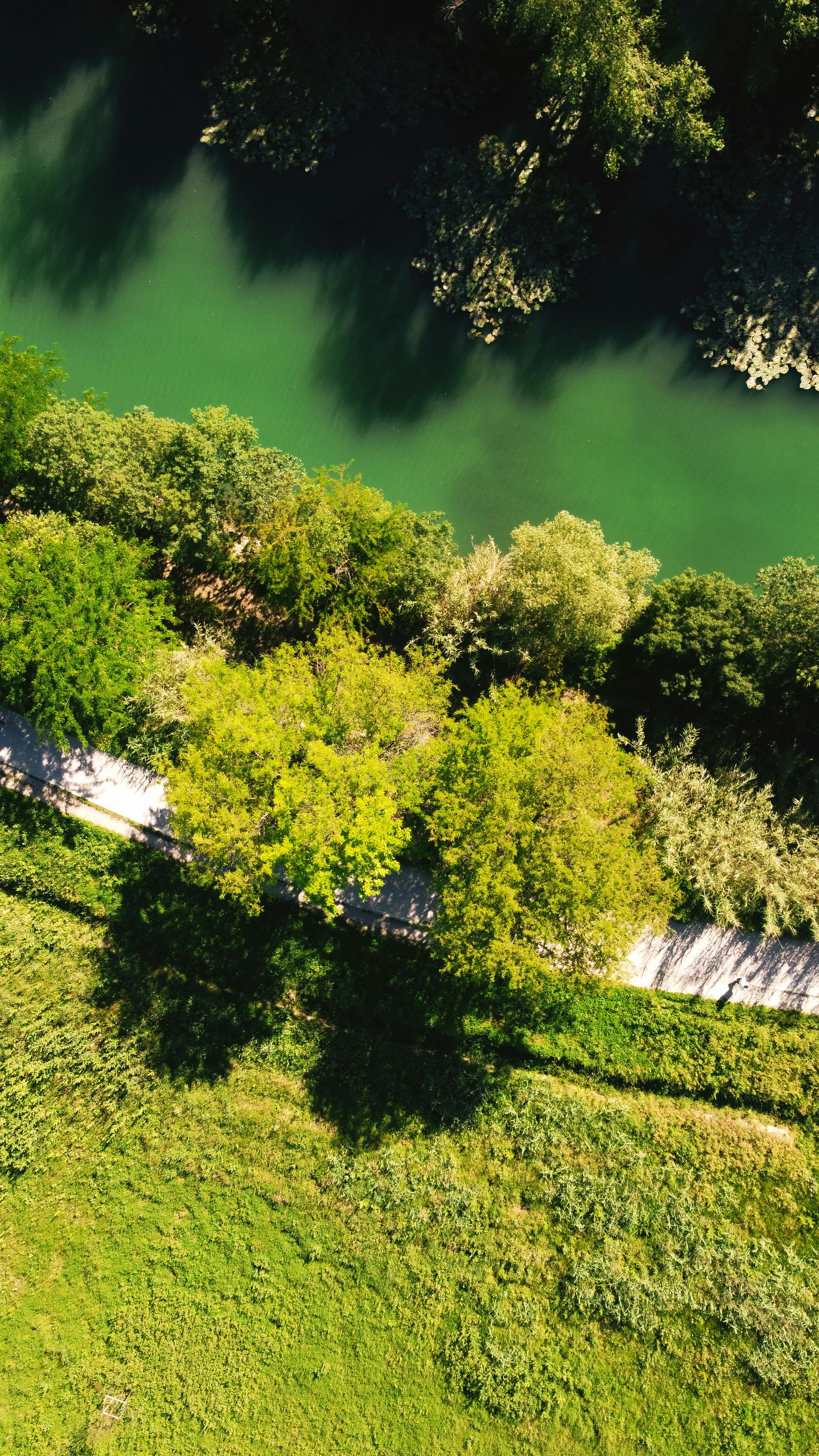
Understanding Resilience: The True Essence of Sustainability Unveiled
Quick read below — save or share if useful.
The increasing frequency of the word "resilience" in discussions about sustainability has sparked important conversations about what sustainability truly encompasses. This term is more than just a trendy buzzword; it signifies a deeper understanding of environmental stability and adaptability. As more people engage in the discourse surrounding ecological well-being, it becomes crucial to clarify that resilience is not merely a rebranding of sustainability but a fundamental aspect of it.
Why this matters
The notion of sustainability has long been tied to the idea of maintaining ecological balance and promoting practices that ensure a livable planet for future generations. However, resilience emphasizes the ability to adapt and recover from challenges — a critical feature as we face escalating climate crises. Understanding that resilience is embedded in sustainability helps us shift our focus from merely sustaining our current conditions to enhancing our capacity to withstand disruptions. This perspective can empower policymakers, communities, and individuals to take more proactive measures in environmental stewardship.
What is happening
In a recent episode of the "Two Steps Forward" podcast, hosts Solitaire Townsend and her co-host delved into the intricacies of why resilience has become such a prevalent topic. They argue that the focus on resilience isn't a departure from sustainability's core principles; rather, it's a necessary evolution of the conversation. With climate change leading to unpredictable weather patterns, rising sea levels, and habitat loss, the conversation around resilience is not just timely; it is imperative. The hosts highlight that sustainability always involved an element of resilience, as it required practices that could endure and adapt in the face of environmental changes.
This perspective invites us to rethink our approaches to sustainability initiatives. For instance, urban planning that incorporates green spaces not only preserves biodiversity but also enhances the ability of cities to manage stormwater and urban heat. Agricultural practices focusing on diverse crops can bolster food security against pests and changing weather. Resilience-driven strategies can lead to more robust systems that endure future shocks, ultimately leading to a sustainable planet.
What readers can take away
- Embrace the concept of resilience as integral to sustainability; consider how both elements interact in your personal and community practices.
- Advocate for policies that promote adaptive strategies in environmental planning, which are vital for addressing current and future challenges.
- Support local ecosystems by making choices that enhance biodiversity, as these areas often exhibit greater resilience to climate change.
- Educate yourself and others on the importance of resilience in sustainability conversations to foster a more proactive approach to environmental issues.
- Reflect on the resiliency of your lifestyle choices and how they contribute to or detract from a sustainable future.
FAQ
What is the difference between resilience and sustainability?
Sustainability focuses on maintaining ecological balance for future generations, while resilience emphasizes the capacity to adapt and recover from environmental challenges. They are interconnected concepts within the broader environmental discourse.
Why is resilience becoming a popular term in sustainability discussions?
Resilience is gaining traction as climate-related disruptions become more frequent and severe. It highlights the need for adaptive strategies that enable ecosystems and communities to withstand and recover from challenges, making it a crucial component of sustainable thinking.
How can individuals contribute to enhancing resilience in their communities?
Individuals can advocate for sustainable practices, support local initiatives that prioritize biodiversity, and incorporate resilient strategies into their lifestyles, such as using resources efficiently and engaging in community programs focused on environmental health.
Original source: read more here.
- 𝕏 Twitter: @0_Simone_0
- 🎥 YouTube: Audiobook Free – Author Ciro Irmici
- 📸 Instagram: @spartaco_94_
- 💻 Tech Trends: techtrendspins.blogspot.com
- 💪 Fitness Home Journal: fitnesshomejournal.blogspot.com
- 🐾 Pet Care Inspo: petcareinspo.blogspot.com
- 🌍 Nomad Vibes Board: nomadvibesboard.blogspot.com
- 💰 Crypto Radar Board: cryptoradarboard.blogspot.com
- 🌱 Green Planet Pins: greenplanetpins.blogspot.com
- 🥗 Healthy Eats Board: healthyeatsboard.blogspot.com
Enjoyed this post? Share it or explore more across my blogs and channels.