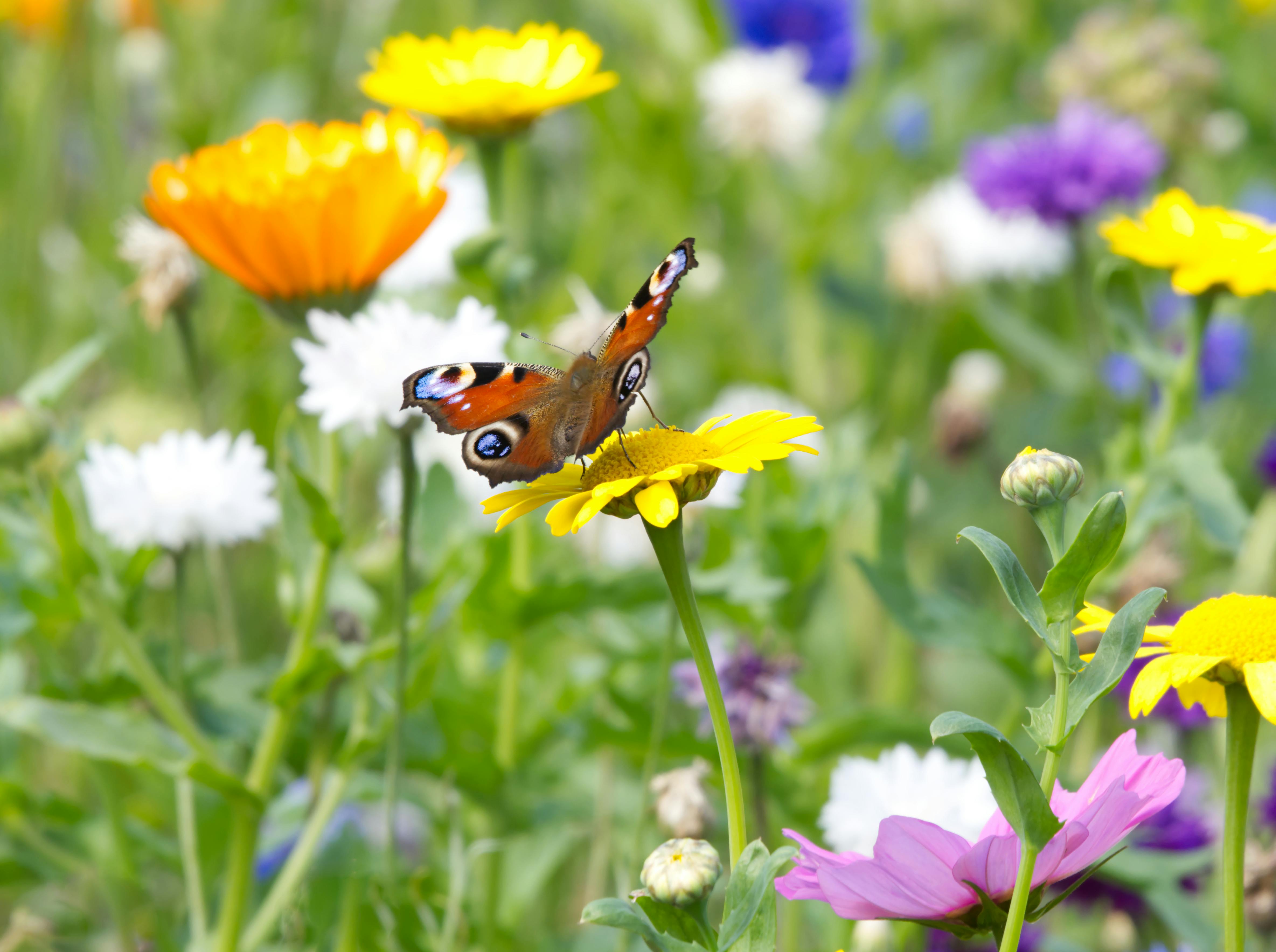
Transform Your Lawn into a Wildlife-Friendly Garden for Biodiversity
Quick read below — save or share if useful.
Transforming your traditional lawn into a wildlife-friendly garden is not just a personal choice; it's a vital step toward restoring ecological balance. In the United States, lawns occupy approximately 40 million acres—enough land to cover the state of Georgia. By converting these landscapes into gardens that support local wildlife, individuals can play a significant role in combating biodiversity loss and enhancing environmental resilience.
Why this matters
The transition from monoculture lawns to diverse gardens is essential for promoting environmental sustainability. Conventional lawns often require extensive use of water, fertilizers, and pesticides, all of which can lead to environmental degradation. By contrast, wildlife-friendly gardens can support native species, help with pollination, and improve soil health. In the face of climate change and habitat loss, these gardens become essential sanctuaries that bolster local ecosystems and foster greater biodiversity.
What is happening
Many homeowners are beginning to realize that their manicured lawns can be reinvented as vibrant ecosystems. Organizations and environmental advocates are sharing resources and guides on how to successfully transform lawns in practical steps. This pivot not only meets personal aesthetic choices but aligns with broader climate solutions. Various species, particularly pollinators like bees and butterflies, stand to benefit tremendously from these gardens. These efforts help raise awareness and inspire action towards more sustainable suburban living.
What readers can take away
- Assess your space: Identify areas of your lawn that could be converted into garden beds, and consider the types of native plants that would thrive there.
- Plant native: Use indigenous plants to create a sustainable habitat, requiring less maintenance and fewer resources while attracting local wildlife.
- Implement water conservation practices: Consider using rain gardens or xeriscaping techniques to minimize water usage.
- Remove invasive species: Take steps to eliminate non-native plants that compete with your native flora and disrupt the ecosystem.
- Engage the community: Share your journey and encourage neighbors to join in, making wildlife-friendly gardening a collective neighborhood initiative.
FAQ
What are native plants and why are they important?
Native plants are species that naturally occur in a specific region, adapting over time to the climate, soil, and other environmental conditions. They are important because they provide the best food and habitat for local wildlife, enabling ecosystems to thrive.
How do I start converting my lawn?
Begin by researching native plant species suitable for your region, then gradually remove segments of your lawn. Create designated garden areas, and consider layering plants for a natural look, incorporating flowers, shrubs, and grasses that will attract pollinators and other wildlife.
What maintenance does a wildlife-friendly garden require?
Wildlife-friendly gardens typically require less maintenance than traditional lawns. You’ll still need to water new plants until they are established, but once they’re thriving, these gardens often need minimal intervention. Focus on periodic weeding, pruning, and observing wildlife activity to enjoy the beauty of your garden.
Original source: read more here.
- 𝕏 Twitter: @0_Simone_0
- 🎥 YouTube: Audiobook Free – Author Ciro Irmici
- 📸 Instagram: @spartaco_94_
- 💻 Tech Trends: techtrendspins.blogspot.com
- 💪 Fitness Home Journal: fitnesshomejournal.blogspot.com
- 🐾 Pet Care Inspo: petcareinspo.blogspot.com
- 🌍 Nomad Vibes Board: nomadvibesboard.blogspot.com
- 💰 Crypto Radar Board: cryptoradarboard.blogspot.com
- 🌱 Green Planet Pins: greenplanetpins.blogspot.com
- 🥗 Healthy Eats Board: healthyeatsboard.blogspot.com
Enjoyed this post? Share it or explore more across my blogs and channels.