 GreenPlanet News

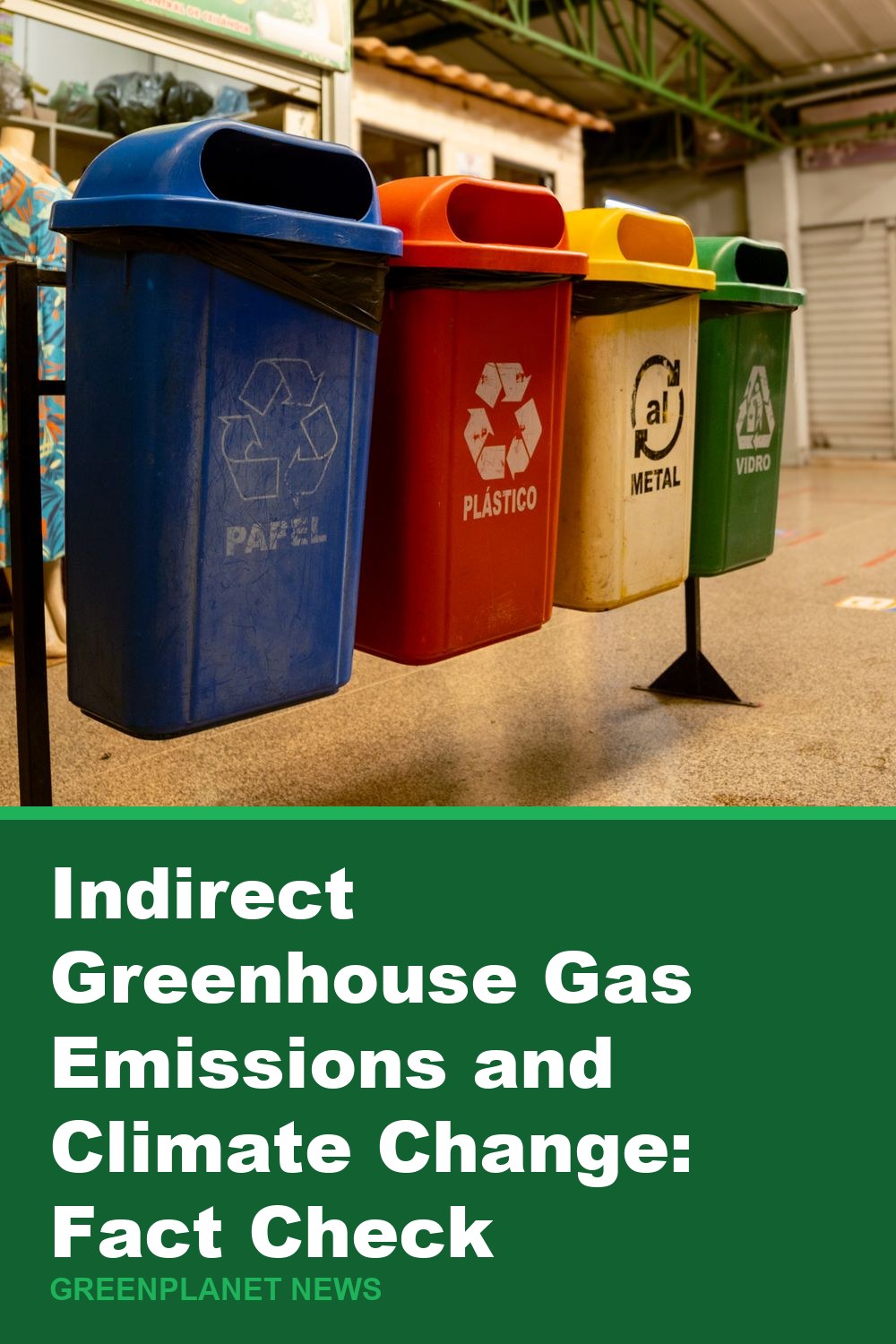

- Indirect emissions may not warm the air straight away, but they can still add to climate instability over time.
- Climate policy such as the Paris Accord has mostly centred on carbon dioxide, so indirect gases tend to get less attention.
- At home, the steps that cut indirect emissions are mostly the ones that also cut bills: less waste, efficient appliances, tighter homes.
Indirect greenhouse gas emissions are emissions that do not warm the atmosphere right away but can still push the climate off balance over the long run. According to a study by Ocko et al., they come from sources such as industrial processes and land-use changes. They matter now because international policy has leaned heavily on carbon dioxide while temperatures keep reaching record highs. The researchers argue that these quieter gases belong in climate policy alongside CO2. For a household, that means some of the cheapest green habits (wasting less, buying fewer things, using less energy) reach further than they look.
The claim people repeat: "If it doesn't warm the air, it doesn't count"
It is an easy idea to believe. Carbon dioxide and methane are the gases most people have heard of, and they warm the atmosphere in a way that is easy to explain. If a gas does not do that immediately, it feels like someone else's problem, or no problem at all.
The research by Ocko et al. says that thinking leaves a gap. Emissions that look harmless in the short term can still contribute to instability over time. That matters because the gap sits inside the policy frameworks countries use to set and track their climate goals.
What is true
Direct and indirect emissions behave differently. Direct emissions have a clear, immediate warming effect. Indirect ones, such as those that result from industrial processes or land-use changes, may not warm the atmosphere right away. They still add to climate instability as the years pass.
Policy has focused on CO2. Global agreements such as the Paris Accord have concentrated mainly on carbon dioxide, because it dominates the conversation about climate action. That focus is understandable, but it leaves other pathways with less attention.
Rising concentrations change the picture. As greenhouse gas levels climb, even emissions that first seem benign can have far-reaching effects on global temperatures and weather patterns.
Leaving them out carries a risk. The authors' concern is that overlooked gases could quietly work against the goals countries have already set, undermining years of progress and investment. Rising sea levels, extreme weather and declining biodiversity are the consequences that a full strategy is meant to head off.
What is not
It is not true that indirect means harmless. "Indirect" describes the route by which a gas affects the climate, not how much it matters. Slower and more complex pathways still count.
It is not true that the Paris Accord or other agreements are pointless. The point of the research is to widen the frameworks, not to throw them out. CO2 stays central. The argument is that it should not be the only gas on the table.
It is not true that you can trace your own share to the gram. Nothing in the research gives households a number for their indirect emissions, so be wary of any label or app that claims to. What you can do is shrink the activities behind industrial and land-use emissions: making, buying, throwing away and wasting.
It is not true that one "eco-friendly" purchase settles it. Swapping products helps when you actually needed the product. Buying fewer things, and using what you own for longer, usually costs less and does more.
What it changes at home
Indirect emissions are hard to see on a utility bill, which is why a simple household checklist helps. Each step below also tends to lower what you spend.
- Cut waste first. Reducing waste is one of the clearest actions you can take against indirect emissions. Start with food, packaging and things you replace out of habit. Every item you don't buy or bin is money kept.
- Choose efficient appliances when something wears out. Replacing a working appliance early has its own footprint, so wait for the end of its life if you can. Then pick an efficient model and run it sensibly.
- Find where your home leaks energy. Lower energy use is the most reliable way to reduce your footprint. Our guide to sealing air leaks before you insulate shows the order that works, and the attic insulation walkthrough with payback maths helps you judge whether the spend is worth it for your house.
- Use a plan, not guesswork. The Honest Toolkit energy-efficiency guide is a free place to start sorting which home upgrades come first.
- Back businesses that cut waste. Supporting sustainable business practices is one of the habits the research points to. Repair, refill and take-back schemes are easy places to begin.
- Speak up where policy is set. The study's main message is about frameworks, so your voice counts where decisions are made. Local utility rate cases, which we cover in our post on rising electricity bills, are one way for a household to be heard on energy.
- Keep reading, calmly. The research and policy picture is still developing. You do not need to follow every headline, but it helps to notice when a new framework includes more than CO2.
Why a household should care about policy as well as habits
Your own choices matter, but they work alongside policy. If climate frameworks track only the most visible gas, progress can look better on paper than it is in the air. That is the worry behind the Ocko et al. study. Supporting comprehensive frameworks, meaning rules that target all greenhouse gas emissions and not just the most visible ones, is therefore part of the picture.
You can talk about it, too. When climate comes up with neighbours or at work, mention that CO2 is not the whole story. Keeping the conversation accurate is a small contribution, and it costs nothing.
FAQ
What is the difference between direct and indirect greenhouse gas emissions?
Direct emissions have a clear warming effect on the atmosphere. Indirect ones, such as those from industrial processes or land-use changes, may not warm the air immediately but can contribute to climate instability over time.
Can my own habits reduce indirect emissions?
Yes, in part. Reducing waste, using energy-efficient appliances, and supporting sustainable businesses all help. The research stresses that policy frameworks need to cover every greenhouse gas, so individual action works best alongside support for wider rules.
As an Amazon Associate I earn from qualifying purchases: if you buy through these links I may earn a small commission, at no extra cost to you. Each link opens a search on the Amazon store for your country.
Sources
Photo: Guilherme Pedrosa / Pexels

I'm an Italian creator who builds apps, games and websites. I run GreenPlanet News with the help of AI tools: every article starts from the sources linked above, and I check what goes out. I'm not a doctor, a lawyer or a financial adviser. Spotted a mistake or have an idea? Write to me.
Instagram @spartaco_94_My websiteWrite to meAbout this blog










 Green Investing 101: A Beginner's Guide to Sustainable Investments





