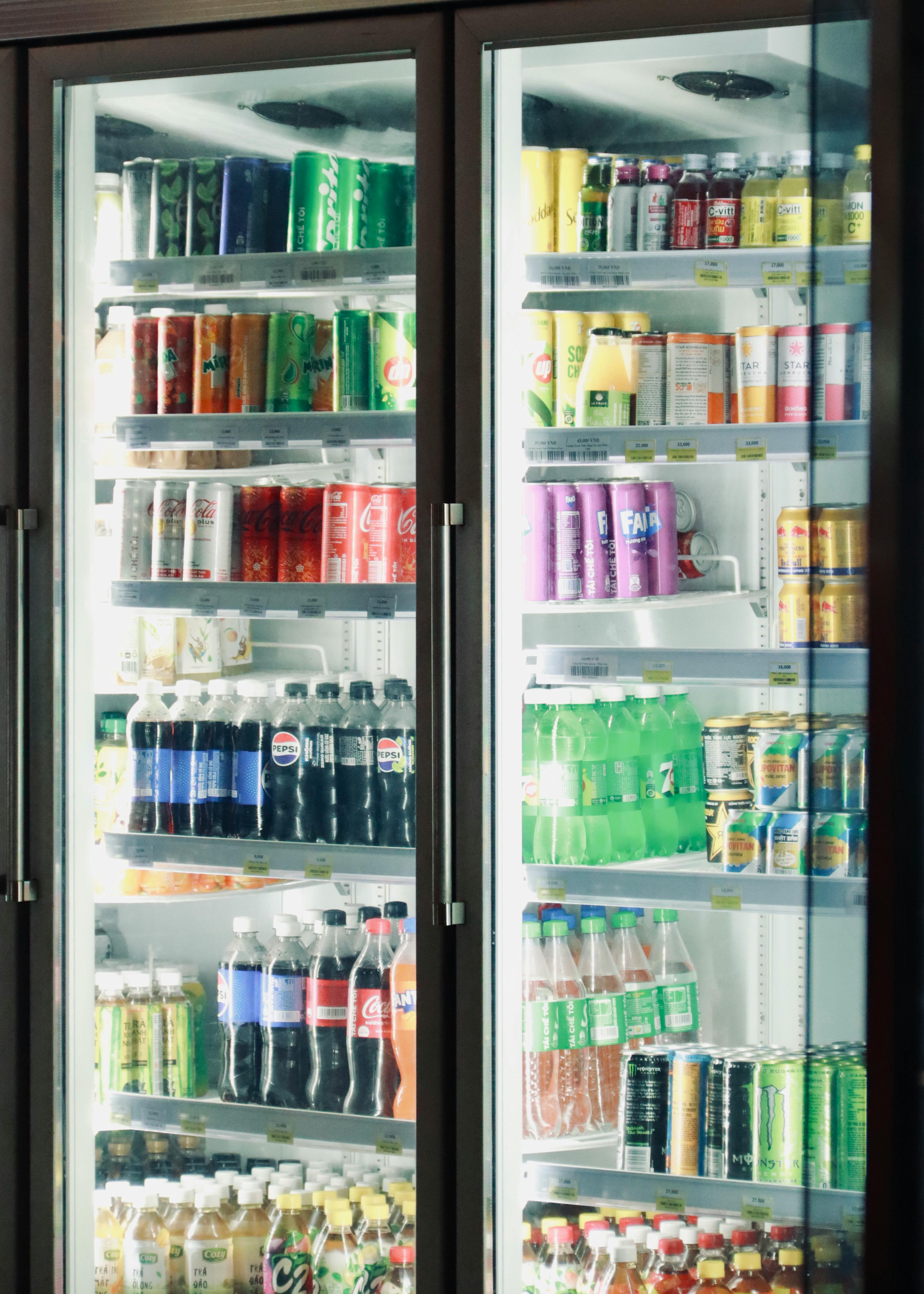
Rolling Back Environmental Rules Won’t Reduce Grocery Prices
Quick read below — save or share if useful.
Recent discussions around environmental regulations often suggest that rolling back certain rules can lead to lower grocery prices; however, this notion is misleading. The reality is that dismantling regulations designed to curb the use of potent greenhouse gases, specifically hydrofluorocarbons (HFCs), will not translate into savings at the supermarket. In fact, the long-term benefits of these regulations, which serve to mitigate climate change, could actually protect the economy and food prices. Understanding the implications of environmental policies is crucial for consumers who want to make informed decisions in the face of rising costs.
Why this matters
Climate change is an ever-pressing issue that affects various sectors, including agriculture and food supply. HFCs are known to be significantly more powerful in trapping heat in the atmosphere compared to carbon dioxide. While they have been widely used in refrigeration and air conditioning, their phase-out is essential for meeting global climate goals. Regulations aimed at reducing HFC emissions are part of broader efforts to combat climate change and enhance environmental sustainability. If we ignore or roll back these essential rules, the consequences could lead to further Global Warming, potentially causing food shortages and driving prices upward in the long run.
What is happening
Nearly six years ago, during the Trump administration, a bipartisan piece of legislation was enacted to phase out the use of HFCs. This was a significant step towards reducing greenhouse gas emissions associated with climate change. Currently, some policymakers argue that undoing these regulations may help lower grocery bills. However, experts disagree, suggesting that the upfront savings would be negligible when compared to the potential long-term costs of climate change impacts such as crop failures, flooding, and extreme weather events affecting food production and distribution.
Instead of lowering grocery bills, the repeal of HFC regulations may, in fact, exacerbate the very problem it seeks to remedy. Producers could face higher costs associated with climate-related disruptions, which would ultimately be passed on to consumers. This underscores the importance of maintaining and strengthening environmental policies that aim to ensure a stable climate.
What readers can take away
- Environmental regulations may initially seem costly, but they are investments in our future that can protect economies and food supplies.
- Phase-out of HFCs is necessary for achieving climate goals, and dismantling these regulations poses long-term risks.
- Being aware of the implications behind food prices can empower consumers to advocate for sustainable policies.
- Understand that short-term cost reductions may lead to larger economic challenges related to climate change.
- Support brands and policies that prioritize sustainability and environmental responsibility for a healthier planet.
FAQ
What are HFCs and why are they harmful?
Hydrofluorocarbons (HFCs) are greenhouse gases commonly used in refrigeration and air conditioning. They are harmful because they are much more effective at trapping heat in the atmosphere compared to CO2, contributing to climate change.
Will rolling back HFC regulations actually lower grocery prices?
No, experts indicate that eliminating HFC regulations may provide negligible immediate savings, but the long-term consequences of climate change could drive up food prices significantly as conditions for agriculture worsen.
What can consumers do to help with sustainability efforts?
Consumers can advocate for sustainable practices by supporting environmentally responsible brands, staying informed about climate-related policies, and making choices that prioritize ecological health, such as reducing waste and energy use.
Original source: read more here.
- 𝕏 Twitter: @0_Simone_0
- 🎥 YouTube: Audiobook Free – Author Ciro Irmici
- 📸 Instagram: @spartaco_94_
- 💻 Tech Trends: techtrendspins.blogspot.com
- 💪 Fitness Home Journal: fitnesshomejournal.blogspot.com
- 🐾 Pet Care Inspo: petcareinspo.blogspot.com
- 🌍 Nomad Vibes Board: nomadvibesboard.blogspot.com
- 💰 Crypto Radar Board: cryptoradarboard.blogspot.com
- 🌱 Green Planet Pins: greenplanetpins.blogspot.com
- 🥗 Healthy Eats Board: healthyeatsboard.blogspot.com
Enjoyed this post? Share it or explore more across my blogs and channels.