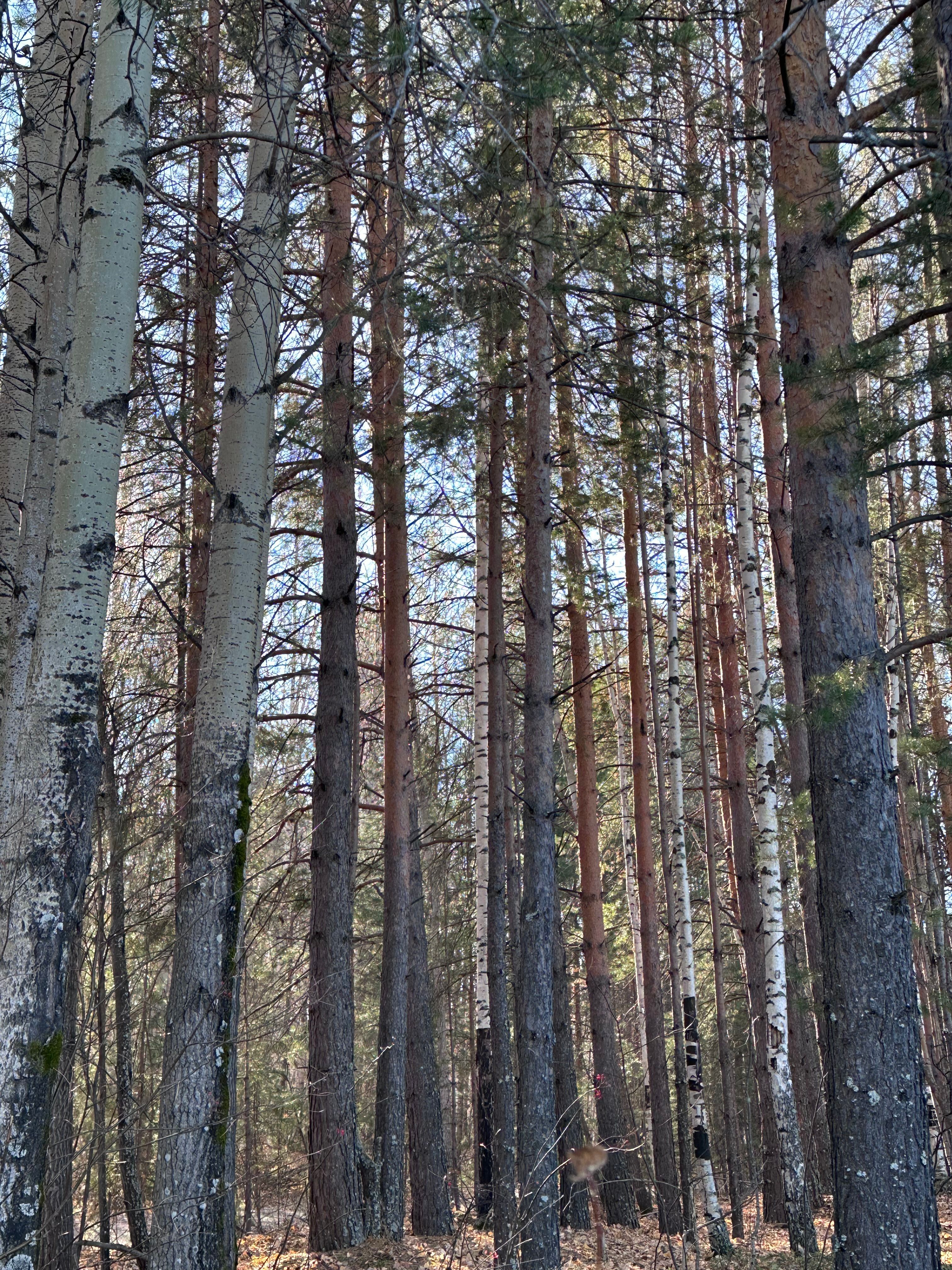
Dismantling the US Roadless Rule: Impacts on Wildlife and Peaceful Lands
Quick read below — save or share if useful.
The potential dismantling of the US Roadless Rule poses significant threats to North America's most serene landscapes, wildlife, and water resources. This development is particularly alarming for environmentally conscious readers who value wilderness and the preservation of natural ecosystems. The Roadless Rule, implemented in 2001, protects roughly 58.5 million acres of national forest land from roads and logging. With proposals for its rollback gaining traction, the implications for wildlife and the irreplaceable calm of America's wildest spaces could be profound.
Why this matters
The dismantling of the Roadless Rule is not just an administrative update; it represents a fundamental shift in how the United States prioritizes land management and conservation. Areas designated as "roadless" serve as critical habitats for countless species, offering refuge to those who struggle in more developed environments. The soundscapes of these regions, often described as peaceful and restorative, face potential disruption from increased road construction and commercial exploitation. Moreover, intact ecosystems contribute to vital services like clean water filtration and carbon sequestration, imperative for combating climate change. An eroded Roadless Rule risks not only wildlife and water but also public health and the well-being of future generations.
What is happening
In recent months, discussions have surfaced about revising or eliminating the Roadless Rule, driven by a desire for economic development and resource extraction. Proponents of change argue that lifting restrictions could spur local economies and enhance access to advanced infrastructure. However, environmentalists and numerous scientific studies counter that this perspective largely overlooks the benefits provided by undisturbed lands. Currently, the United States has over 4.2 million miles of public roads, which already place immense pressure on surrounding ecosystems. Adding more roads invites further development and ultimately leads to habitat fragmentation, threatening species that rely on larger, connected ecosystems for survival.
Moreover, the debate around the Roadless Rule intensifies the larger conversation about land use in America. As urban areas expand and pressures on resources mount, carving up pristine wilderness for roads and development could have long-lasting repercussions. The potential for exploitation in previously protected areas raises the question: Do we value short-term economic gain over the long-term health of our environment?
What readers can take away
- Advocate for the preservation of natural spaces by engaging with policymakers and pushing for stronger environmental protections.
- Support organizations working to maintain the Roadless Rule and other conservation initiatives, as every bit of support helps amplify their message.
- Educate yourself and others about the importance of wilderness areas, not just for wildlife, but for public health and climate stability.
- Consider alternative forms of local economic development that do not rely on ecological exploitation, such as ecotourism or sustainable practices.
FAQ
What is the US Roadless Rule?
The US Roadless Rule is a regulation that protects approximately 58.5 million acres of national forest land from road construction and logging, aimed at preserving the ecological integrity of these high-value areas.
What are the potential consequences of dismantling the Roadless Rule?
Dismantling the Roadless Rule could lead to increased road construction, habitat fragmentation, adverse effects on wildlife populations, and risks to clean water supplies, ultimately impacting both ecosystems and human communities.
How can individuals help protect roadless areas?
Individuals can contribute by raising awareness, supporting conservation groups, participating in local governance, and advocating for policies that aim to protect natural landscapes from development.
Original source: read more here.
- 𝕏 Twitter: @0_Simone_0
- 🎥 YouTube: Audiobook Free – Author Ciro Irmici
- 📸 Instagram: @spartaco_94_
- 💻 Tech Trends: techtrendspins.blogspot.com
- 💪 Fitness Home Journal: fitnesshomejournal.blogspot.com
- 🐾 Pet Care Inspo: petcareinspo.blogspot.com
- 🌍 Nomad Vibes Board: nomadvibesboard.blogspot.com
- 💰 Crypto Radar Board: cryptoradarboard.blogspot.com
- 🌱 Green Planet Pins: greenplanetpins.blogspot.com
- 🥗 Healthy Eats Board: healthyeatsboard.blogspot.com
Enjoyed this post? Share it or explore more across my blogs and channels.