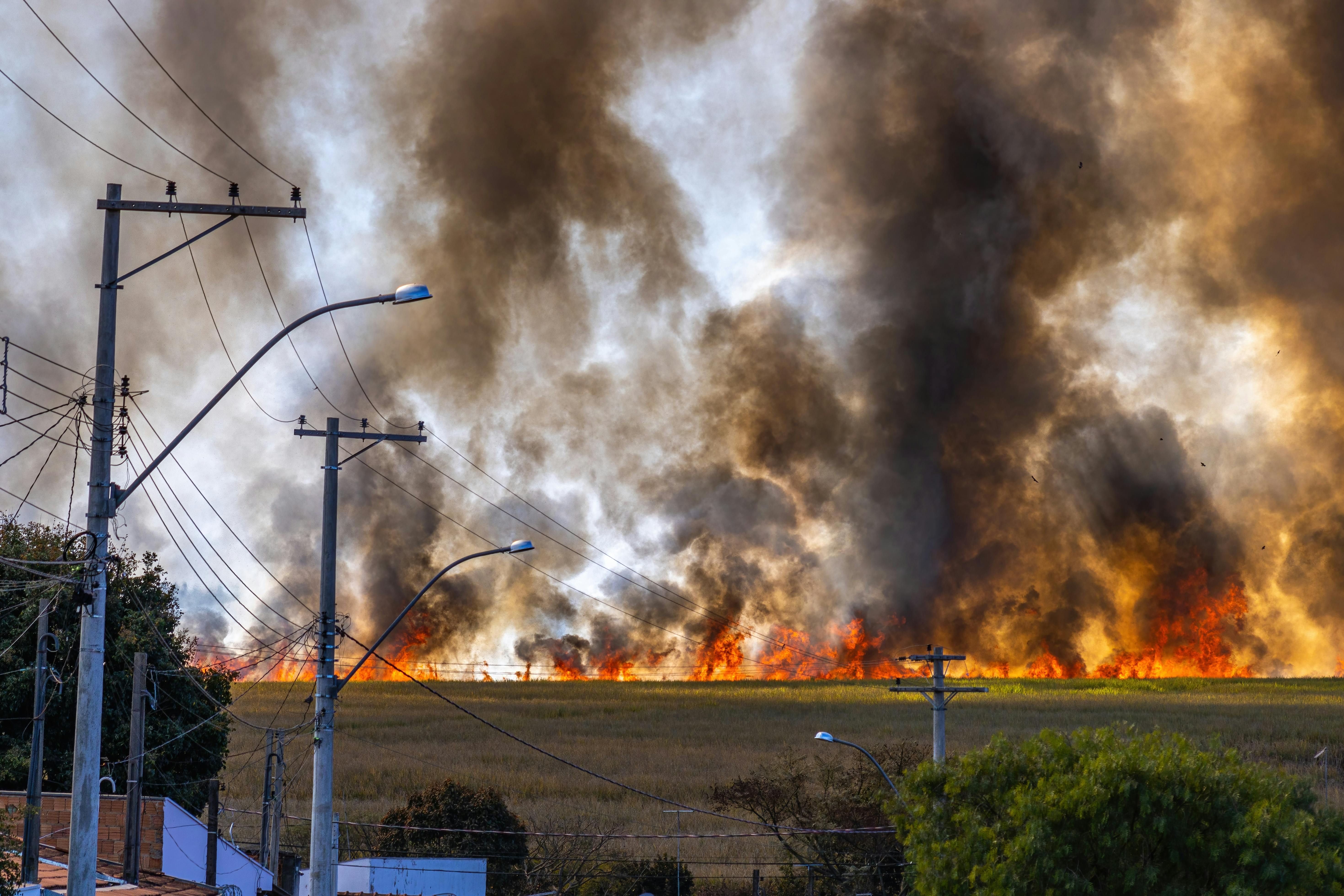
World Cup Faces Air Quality Threat from Wildfire Smoke Concerns
Quick read below — save or share if useful.
The upcoming FIFA World Cup, a highly anticipated global event, faces a potential crisis due to climate change-induced wildfires. As the tournament approaches, concerns mount regarding air quality, with wildfire smoke threatening to harm both athletes and fans alike. FIFA has claimed to be prepared for climate-related risks, yet its lack of a specific plan addressing wildfire smoke raises serious questions about the organization's readiness to safeguard health and safety during the event.
Why this matters
As extreme weather events become more frequent and severe due to climate change, the impact on major sporting events cannot be underestimated. Air quality is crucial not just for athletes striving for peak performance, but also for fans who gather to celebrate and experience the tournament atmosphere. Poor air quality can lead to significant health concerns, particularly for vulnerable populations, including children and the elderly. Thus, the intersection of climate resilience and public health becomes increasingly urgent as we navigate a changing environment.
What is happening
Wildfires across various regions have become a persistent threat, exacerbated by rising temperatures and prolonged droughts linked to climate change. Smoke from these wildfires can significantly degrade air quality, leading to respiratory issues and other health hazards. With the World Cup set to attract thousands of spectators, the potential for an air quality disaster looms large if proactive measures are not taken. Despite FIFA's statement about being equipped to handle climate-related risks, there is no clear strategy in place to mitigate the effects of wildfire smoke specifically. This oversight could put many individuals at risk, changing the dynamics of how the tournament unfolds.
What readers can take away
- Stay informed about air quality levels if attending outdoor events, especially in wildfire-prone areas.
- Support policies and initiatives that prioritize climate resilience and health safety in public events.
- Advocate for sports organizations to develop and communicate clear plans for mitigating climate-related risks.
- Engage in discussions about the impact of climate change on community health and highlight the need for action.
- Consider personal preparations for health during high pollution days, including wearing masks or limiting outdoor activities.
FAQ
What are the health risks associated with wildfire smoke?
Wildfire smoke can cause respiratory problems, eye irritation, and exacerbation of pre-existing health conditions. Individuals with asthma, heart conditions, and other respiratory illnesses are particularly vulnerable.
How can I monitor air quality during the World Cup?
Local air quality monitoring services and apps provide real-time data on pollution levels. Awareness and preparation can help individuals make informed decisions about outdoor activities during the tournament.
What can organizations do to prepare for climate-related risks?
Organizations can develop comprehensive emergency response plans, communicate air quality updates to attendees, and promote awareness of health precautions during extreme weather events.
Original source: read more here.
- 𝕏 Twitter: @0_Simone_0
- 🎥 YouTube: Audiobook Free – Author Ciro Irmici
- 📸 Instagram: @spartaco_94_
- 💻 Tech Trends: techtrendspins.blogspot.com
- 💪 Fitness Home Journal: fitnesshomejournal.blogspot.com
- 🐾 Pet Care Inspo: petcareinspo.blogspot.com
- 🌍 Nomad Vibes Board: nomadvibesboard.blogspot.com
- 💰 Crypto Radar Board: cryptoradarboard.blogspot.com
- 🌱 Green Planet Pins: greenplanetpins.blogspot.com
- 🥗 Healthy Eats Board: healthyeatsboard.blogspot.com
Enjoyed this post? Share it or explore more across my blogs and channels.