 GreenPlanet News

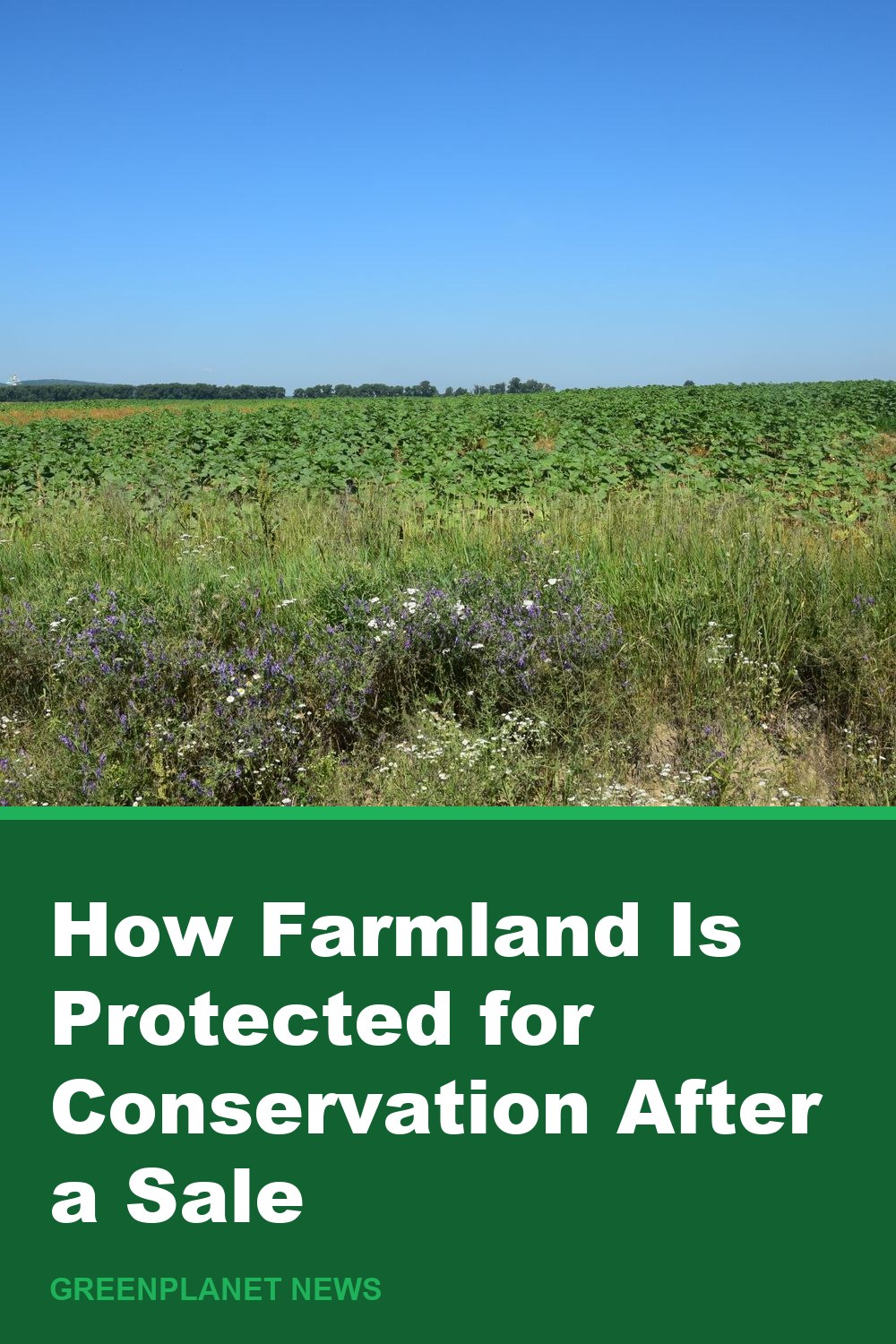

- Farmland natural areas stay protected after a sale through a clear commitment from the new owner, continued local partnerships, and public attention.
- Jubilee Farm, west of Springfield, Illinois, passed from the Dominican Sisters of Springfield to NextGen Communities with a public pledge to preserve its natural areas.
- A public pledge is a promise, so ask whether it is also backed by written, binding terms, and support the farm through volunteering and local advocacy.
Farmland with natural areas stays protected for conservation when three things hold after a change of ownership: the new owner commits to keeping those areas, the farm's working relationships with local organizations continue, and people nearby keep watching and supporting it. Jubilee Farm Ecology & Spirituality Center, west of Springfield, Illinois, is a live example. NextGen Communities has acquired it from the Dominican Sisters of Springfield and has publicly committed to continuing their conservation legacy. Sales like this are when protection is most likely to be tested, so it helps to know what to look for.
What keeps natural areas on a farm protected after it is sold?
The Jubilee Farm sale points to three ingredients that work together:
- A stated commitment to the natural areas. The new owners have said publicly that they will preserve them.
- Continuity with partners. They intend to honor the relationships and collaborations with local organizations that the previous owners built.
- Community engagement. Their vision puts environmental protection and community involvement side by side, so the land has people with a stake in it.
None of these costs a household anything to benefit from. They are about who owns the land, what they promise, and who holds them to it.
Which farmland is worth protecting, and why?
Jubilee Farm shows what qualifies: a working or historic farm that also holds natural areas. According to the farm's new owners, those areas serve as habitat for numerous species and play an essential role in carbon sequestration, meaning they help keep carbon stored in the land. That makes farms like this refuges for biodiversity as well as places that grow things.
The Dominican Sisters of Springfield set a high standard of care here, making significant strides in preserving the farm's natural beauty and ecological diversity. The challenge for any later owner is to keep that standard without compromising the farm's integrity.
How much protection does a public pledge actually give?
A public pledge is a real starting point. It puts the owner's intentions on the record, and it gives neighbors, partner organizations and local volunteers something specific to point to. NextGen Communities has also said it wants to build on the existing foundation, not replace it.
Still, a pledge is a promise, and whether the land is also covered by written, binding terms is a separate question. If you care about a particular farm, ask that question directly. A promise from the current owner may carry less weight with the next one, so the more a commitment is written down and shared with partners, the more likely it is to last.
How can you check and support a farm's protection? Five steps
- Find the public statement. Look for what the owner has said about the natural areas: which ones, and in what words. Jubilee Farm's owners have spoken of preserving the natural areas and honoring existing collaborations.
- Identify the partners. List the local organizations that work with the farm. Their continued involvement is one of the clearest signs that a commitment is being kept.
- Ask about binding terms. Contact the owner or a partner and ask whether the pledge is backed by anything written and enforceable, or only by intention.
- Show up. Take part in local volunteering or ecological projects tied to the farm. Education, wellness and environmental advocacy are the sort of areas where new collaborations could grow. Bring a field notebook to log what you see on open days, and binoculars if birds are your thing. Records of species over time make a protection case easier to explain.
- Speak up for policy. Back local policies that protect valuable natural areas from development and degradation, and keep up with local environmental news that affects community farms and habitats.
What can go wrong when a farm changes hands?
- The pledge fades. Without partners and public attention, a statement made at the time of a sale can slip out of view.
- Partnerships lapse. If the relationships built under the former owners are not kept up, the farm loses the local ties that support its conservation work.
- Natural areas lose out to other uses. Protection from development and degradation is something readers are urged to advocate for, which signals that natural areas are not automatically safe.
- Expectations outrun facts. Reports on Jubilee Farm say the new owners "appear committed" and that collaboration "could" lead to new projects. That is encouraging, but it is not a guarantee, and it is worth checking progress over time.
Doing the same close to home
You do not need a farm to apply the same logic. A small patch of your own can hold habitat too, and our guide to turning a lawn into a wildlife-friendly garden shows how. If you are in Chicago, the new rule allowing native plants up to 36 inches on parkways is a concrete local rule that makes room for them. And if your nearest green space is a community plot, see how East Springfield's community garden has struggled with funding delays, a reminder that local projects often depend on people turning up and speaking out.
Where Jubilee Farm stands now
The farm has a new owner, a stated commitment to its natural areas, and a pledge to keep working with the local organizations that have supported it. That is a sound basis. Whether it holds depends on follow-through, and on neighbors who know what was promised and stay involved.
As an Amazon Associate I earn from qualifying purchases: if you buy through these links I may earn a small commission, at no extra cost to you. Each link opens a search on the Amazon store for your country.
Photo: Vladislav Krot / Pexels

I'm an Italian creator who builds apps, games and websites. I run GreenPlanet News with the help of AI tools: every article starts from the sources linked above, and I check what goes out. I'm not a doctor, a lawyer or a financial adviser. Spotted a mistake or have an idea? Write to me.
Instagram @spartaco_94_My websiteWrite to meAbout this blog










 Green Investing 101: A Beginner's Guide to Sustainable Investments





