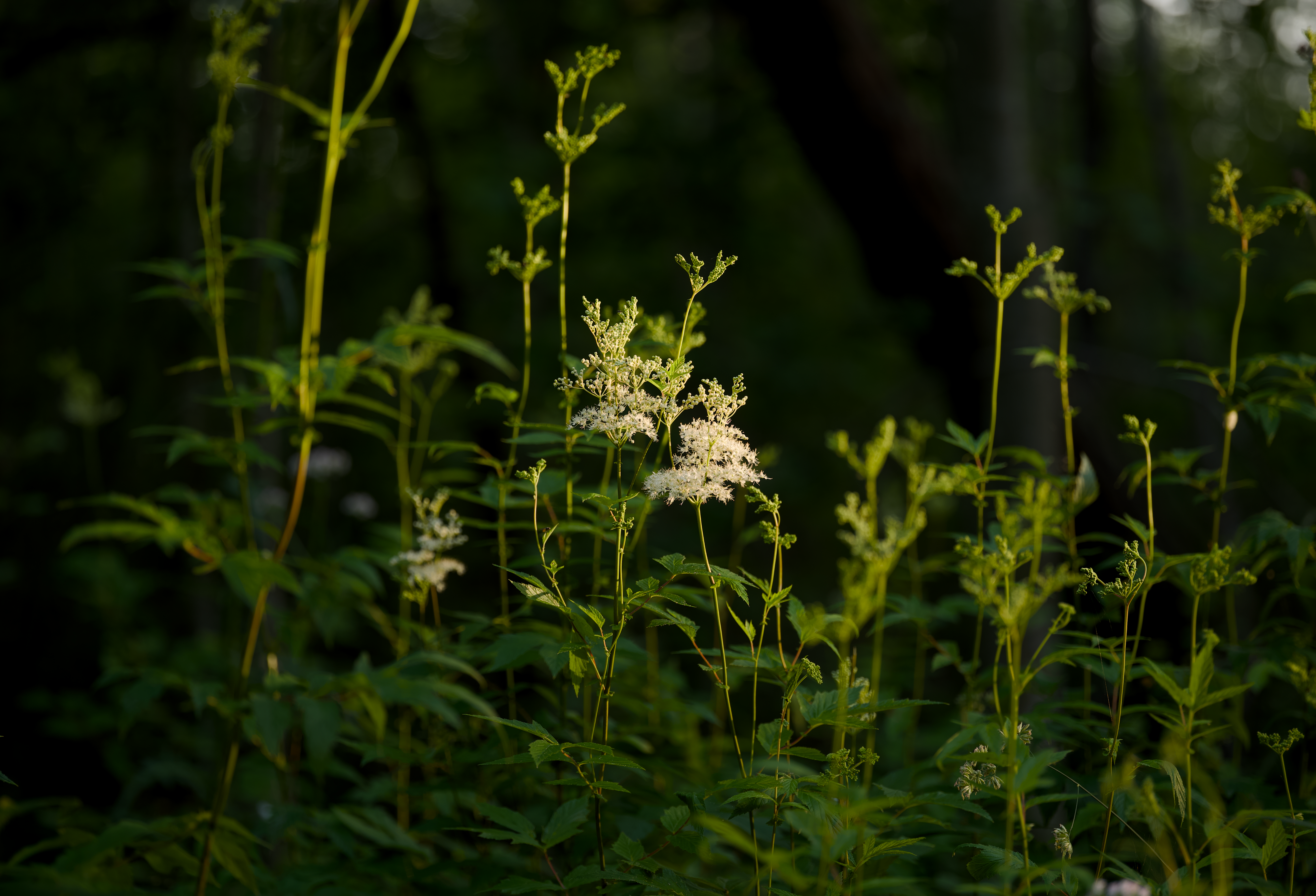
Chicago's New Rule: Grow Native Plants Up to 36 Inches on Parkways
Quick read below — save or share if useful.
Great news for Chicago gardeners! A newly passed ordinance now allows residents to cultivate native plants on parkways that can grow up to 36 inches tall. This change marks a significant shift in local landscaping regulations, empowering citizens to engage in sustainable gardening practices that beautify the urban landscape while supporting local ecosystems.
Why this matters
The introduction of taller native plants on parkways is not merely an aesthetic upgrade; it reflects a growing recognition of the importance of ecological landscaping in urban environments. Native plants play a crucial role in supporting local wildlife, including pollinators like bees and butterflies, which are essential for healthy ecosystems. By allowing these plants to reach greater heights, Chicago is promoting biodiversity and encouraging residents to create thriving green spaces that can improve air quality, reduce heat islands, and even manage stormwater runoff effectively. Furthermore, this change aligns with broader sustainability goals and community resilience efforts aimed at tackling the environmental challenges posed by urbanization and climate change.
What is happening
On Wednesday, the Chicago City Council approved a groundbreaking ordinance that permits the growth of native plants on parkways up to a height of 36 inches. Previously, local regulations often restricted the height of plants to ensure visibility and safety along roadways. This new rule not only alleviates those concerns but also actively encourages residents to enhance their neighborhoods with lush greenery. The ordinance aims to foster a more vibrant and eco-friendly urban atmosphere, prompting gardeners to reconsider their landscaping choices. The initiative aligns with ongoing efforts to revitalize city spaces and promote environmental stewardship among Chicagoans.
What readers can take away
- Consider adding native plants to your garden or parkway space to support local wildlife and enhance biodiversity.
- Research local native plant species that thrive in your area to make informed landscaping choices.
- Engage with community gardening groups to learn more about sustainable practices and share experiences with fellow gardeners.
- Advocate for additional green initiatives in your city, encouraging policies that support urban gardening and ecological restoration.
- Take advantage of this ordinance by collaborating with neighbors to create a community greenway that benefits everyone.
FAQ
What types of native plants are suitable for parkway planting?
Chicago residents should consider native species that are well-adapted to local conditions and support local wildlife. Examples include native grasses, wildflowers, and shrubs that thrive in urban settings.
How can I ensure my native plants grow well in a parkway environment?
To maximize growth, choose plants suited to the area’s sunlight, soil type, and moisture levels. Regular maintenance, such as watering during dry spells and removing invasive weeds, can also help promote healthy growth.
Can I collaborate with neighbors to enhance our shared parkways?
Absolutely! Community collaboration can lead to more significant impacts. Organizing group planting days and sharing resources can help transform neighborhood parkways into beautiful green spaces that benefit everyone.
Original source: read more here.
- 𝕏 Twitter: @0_Simone_0
- 🎥 YouTube: Audiobook Free – Author Ciro Irmici
- 📸 Instagram: @spartaco_94_
- 💻 Tech Trends: techtrendspins.blogspot.com
- 💪 Fitness Home Journal: fitnesshomejournal.blogspot.com
- 🐾 Pet Care Inspo: petcareinspo.blogspot.com
- 🌍 Nomad Vibes Board: nomadvibesboard.blogspot.com
- 💰 Crypto Radar Board: cryptoradarboard.blogspot.com
- 🌱 Green Planet Pins: greenplanetpins.blogspot.com
- 🥗 Healthy Eats Board: healthyeatsboard.blogspot.com
Enjoyed this post? Share it or explore more across my blogs and channels.