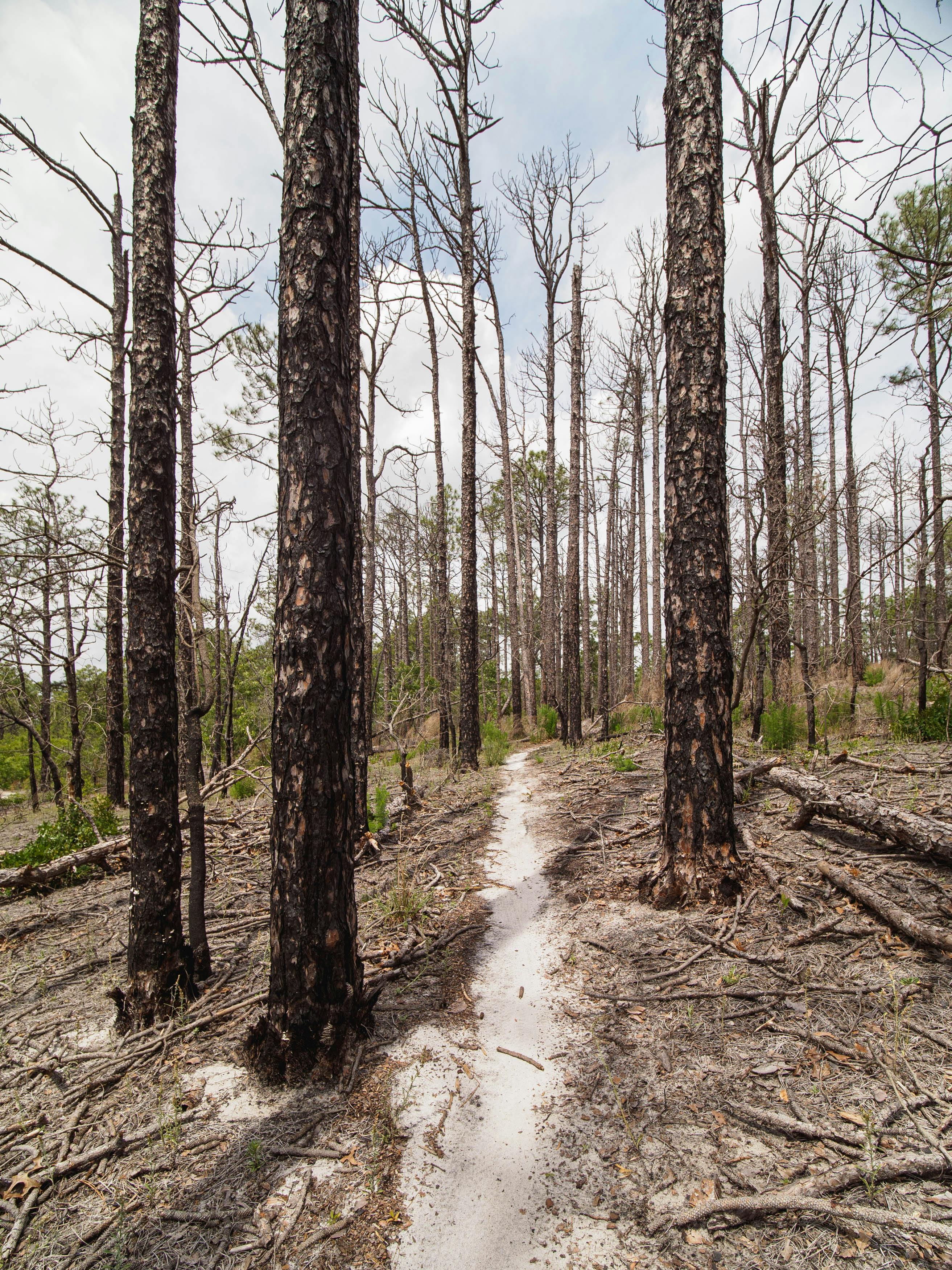
How Wildfires Impact US Public Lands and Recreation Opportunities
Quick read below — save or share if useful.
The recent wildfires in Colorado, namely the Cameron Peak and East Troublesome fires, represent a critical turning point in understanding the impacts of climate change on public lands, particularly for those who cherish outdoor recreation. These fires, which occurred in 2020, devastated hundreds of thousands of acres, affecting not only the landscapes but also the ecosystems and recreational facilities that draw millions of visitors each year. The long-term consequences of these events could reshape how we engage with our natural environment, making awareness and proactive measures more important than ever.
Why this matters
As climate change continues to alter weather patterns, wildfires are becoming increasingly common and intense, particularly in the western United States. These blazes not only destroy homes and wildlife habitats but also significantly impact areas designated for recreation. The realization that fires can obliterate trails, campgrounds, and cherished wild spaces highlights a complex interplay between natural ecosystems and human activity. Understanding this dynamic is key for policymakers, environmentalists, and recreationalists alike—especially as they strive to mitigate the effects of climate change while maintaining access to these vital landscapes.
What is happening
The devastating impact of the Cameron Peak and East Troublesome fires has raised important questions about the future of public lands in the U.S. West. Burned areas within the Rocky Mountain National Park and surrounding regions have faced significant ecological harm. Significant trails once bustling with hikers, camper spots frequented by families, and diverse ecosystems have all been scarred by the flames, creating an urgent call to reconsider our approaches to land management and wildfire mitigation strategies.
Research indicates that such catastrophic fires may lead to long-lasting changes in the ecological makeup of these areas, with some ecosystems struggling to recover and regenerate. This loss has repercussions not only for wildlife habitats but also for the economy dependent on outdoor recreation. Millions of dollars are spent each year on tourism related to these national parks, and a decline in the beauty and health of these landscapes directly threatens local and state economies.
What readers can take away
- Stay informed about climate change and its effects on public lands to better understand the challenges facing these ecosystems.
- Support conservation efforts and organizations dedicated to preserving natural habitats and promoting sustainable recreation.
- Consider the importance of wildfire prevention measures and engage in community discussions about effective strategies to protect at-risk areas.
- Explore alternative outdoor activities that promote a connection to nature while also respecting and preserving the environment.
- Advocate for policies that prioritize the resilience of public lands against climate change and support funding for firefighting resources.
FAQ
How do wildfires affect ecosystems?
Wildfires can destroy habitats, threatening plant and animal species, and disrupt the ecological balance. They can lead to soil erosion and altered water cycles, making recovery for many ecosystems difficult and prolonged.
What should I know before visiting areas affected by wildfires?
Check for trail updates and camping availability, as many areas may be closed for recovery or still exhibit hazards from the fires. Also, be aware of changes in wildlife behavior, as displaced animals may be found in unexpected places.
How can I help mitigate the risks of wildfires?
Engaging in fire-safe practices such as proper campfire management, adhering to local guidelines, and supporting local and national conservation initiatives can significantly reduce risks associated with wildfires.
Original source: read more here.
- 𝕏 Twitter: @0_Simone_0
- 🎥 YouTube: Audiobook Free – Author Ciro Irmici
- 📸 Instagram: @spartaco_94_
- 💻 Tech Trends: techtrendspins.blogspot.com
- 💪 Fitness Home Journal: fitnesshomejournal.blogspot.com
- 🐾 Pet Care Inspo: petcareinspo.blogspot.com
- 🌍 Nomad Vibes Board: nomadvibesboard.blogspot.com
- 💰 Crypto Radar Board: cryptoradarboard.blogspot.com
- 🌱 Green Planet Pins: greenplanetpins.blogspot.com
- 🥗 Healthy Eats Board: healthyeatsboard.blogspot.com
Enjoyed this post? Share it or explore more across my blogs and channels.