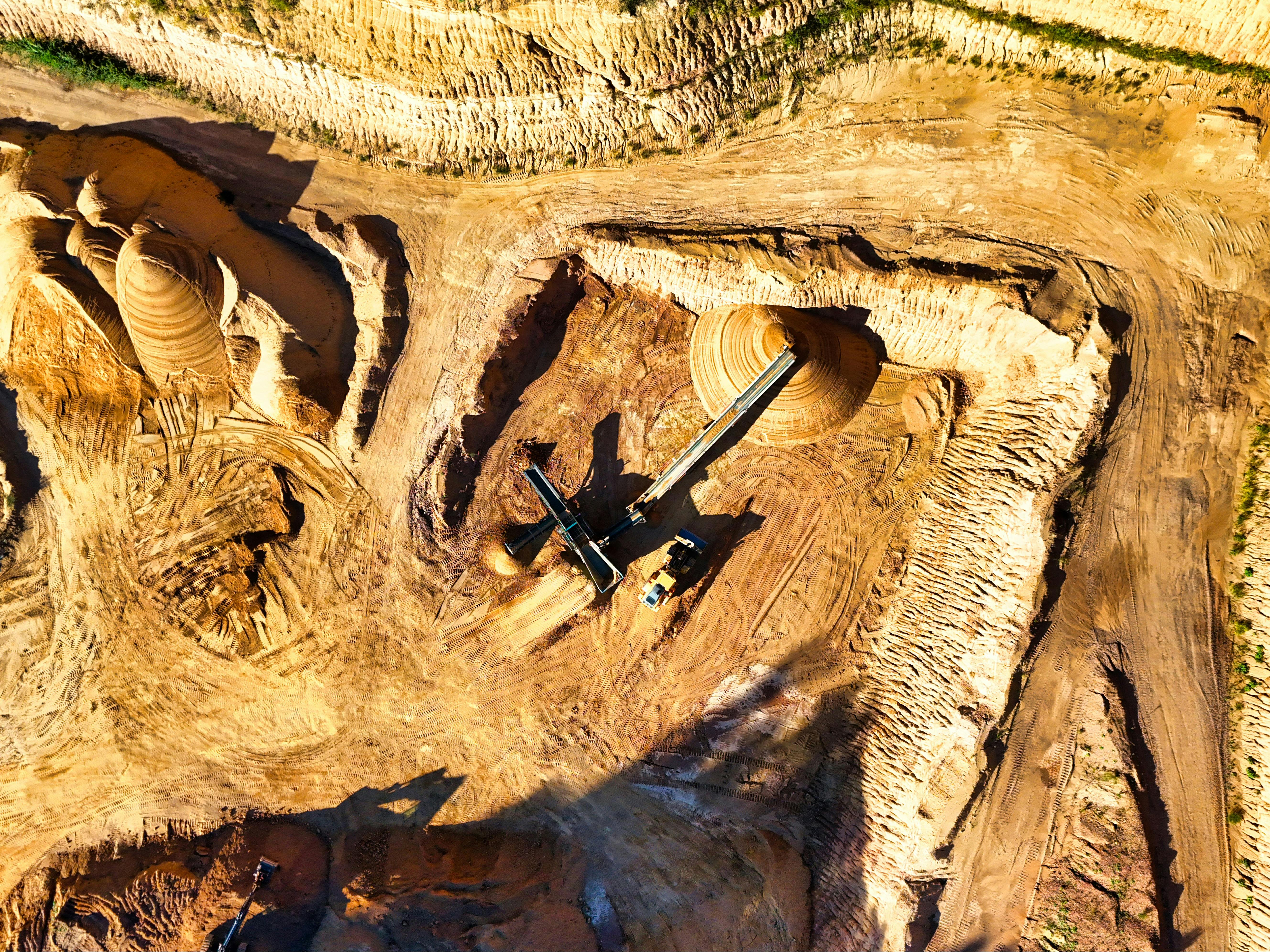
Lessons from Indigenous Lands: Rethinking Mining Practices in the US
Quick read below — save or share if useful.
The burgeoning demand for lithium, often hailed as a critical element for renewable energy storage, raises important questions about the ethical implications of mining on Indigenous lands. In the U.S., many Native American tribes have ancestral ties to lands that extend beyond reservation boundaries. Current mining regulations, influenced by a century-old law, do not mandate federal consultation with these tribes before advancing mining projects. This oversight could be a gateway to ongoing disputes and loss of cultural heritage, making it imperative to reconsider mining practices in the context of Indigenous rights.
Why this matters
Understanding the relationship between mining activities and Indigenous rights is crucial in the context of sustainability and environmental justice. As countries around the world ramp up the extraction of lithium to meet clean energy goals, the U.S. faces a growing need to reconcile these activities with respect for Indigenous communities. Mining operations pose significant risks such as environmental degradation, loss of biodiversity, and disruption of cultural practices tied to the land. Failing to address these issues may not only result in legal conflicts but could also undermine the broader goals of sustainable development. When policymakers disregard Indigenous voices in these discussions, they risk perpetuating long-standing injustices.
What is happening
The U.S. is currently in the midst of a lithium boom driven by the imperative to transition towards cleaner energy sources. Lithium is essential for the production of batteries used in electric vehicles and energy storage systems, prompting significant interest from mining companies. However, much of the land slated for lithium extraction overlaps with areas historically regarded as sacred by Indigenous nations. A law from the 19th century, which still governs mining activities today, fails to require consultation with tribes prior to moving forward with projects. This has resulted in tribal leaders expressing concerns over environmental impacts and cultural disrespect. Some tribal leaders are calling for reforms that would establish a more ethical framework for mining operations, one that recognizes their rights and involvement in decisions affecting their ancestral lands.
What readers can take away
- Support indigenous rights by advocating for laws that require consultation with Native American tribes before any mining project on ancestral lands begins.
- Understand the environmental implications of lithium mining and consider alternative solutions that respect both cultural heritage and ecological integrity.
- Stay informed about local and national policies concerning renewable energy resources, as these have direct impacts on indigenous communities and their land.
- Engage with organizations that aim to promote sustainable mining practices and the recognition of Indigenous land rights.
- Participate in discussions and campaigns that highlight environmental justice as a necessary component of the green energy transition.
FAQ
What are the primary concerns for Indigenous communities regarding lithium mining?
Indigenous communities often face issues related to environmental degradation, loss of access to traditional lands, and lack of consultation in decisions affecting their heritage. Mining can disrupt sacred sites and traditional ways of life, leading to a significant cultural impact.
How does the current U.S. mining regulation impact Native American tribes?
The 19th-century mining law allows companies to proceed with projects without needing to consult Indigenous tribes. This creates a scenario where tribal concerns can be overlooked, leading to environmental and cultural consequences.
What changes could improve the situation for Indigenous peoples affected by mining?
Implementing laws that require government consultation with Indigenous tribes, promoting transparency in the mining process, and fostering partnerships that respect tribal sovereignty could significantly improve how mining operations are conducted on ancestral lands.
Original source: read more here.
- 𝕏 Twitter: @0_Simone_0
- 🎥 YouTube: Audiobook Free – Author Ciro Irmici
- 📸 Instagram: @spartaco_94_
- 💻 Tech Trends: techtrendspins.blogspot.com
- 💪 Fitness Home Journal: fitnesshomejournal.blogspot.com
- 🐾 Pet Care Inspo: petcareinspo.blogspot.com
- 🌍 Nomad Vibes Board: nomadvibesboard.blogspot.com
- 💰 Crypto Radar Board: cryptoradarboard.blogspot.com
- 🌱 Green Planet Pins: greenplanetpins.blogspot.com
- 🥗 Healthy Eats Board: healthyeatsboard.blogspot.com
Enjoyed this post? Share it or explore more across my blogs and channels.