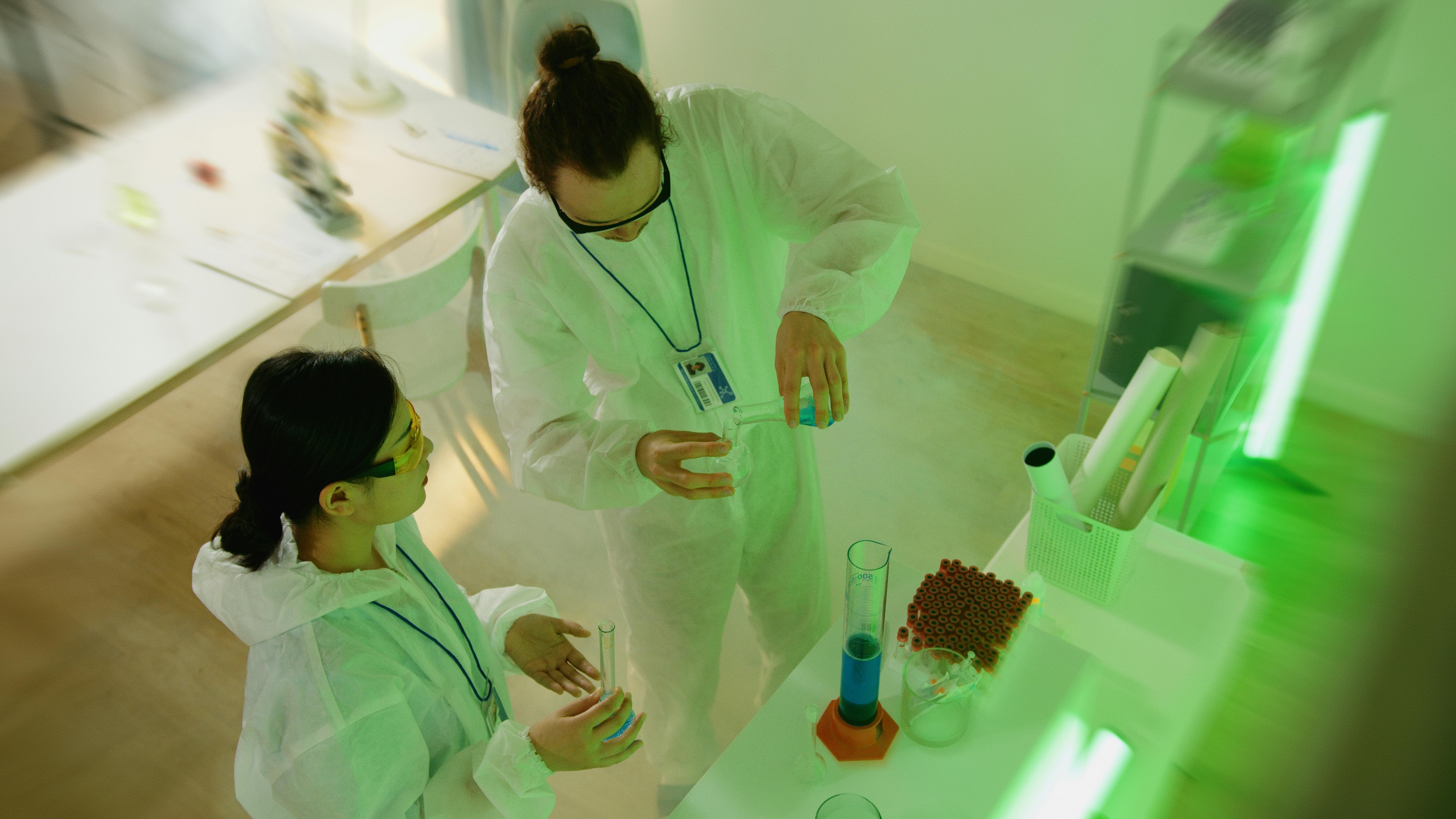
Inclusive Green Chemistry: Transforming Education for Blind and Deaf Students
Quick read below — save or share if useful.
In an inspiring step towards inclusivity, recent studies highlight the integration of blind and deaf students into green chemistry education, emphasizing that accessibility is not just an add-on but a necessity in fostering sustainable scientific thinking. As the fields of green and sustainable chemistry continue to expand, understanding how to incorporate diverse learning needs enhances both education and environmental stewardship.
Why this matters
The commitment to green chemistry involves developing sustainable practices that minimize environmental harm and maximize safety. However, inclusivity in this educational paradigm is equally vital. As climate change and environmental degradation loom larger on the global agenda, finding ways to educate a broad range of learners—regardless of their physical capabilities—ensures that innovative solutions to these pressing issues can emerge from diverse perspectives. Building an educational framework that welcomes all students signals a decisive move towards a more equitable science community committed to sustainability.
What is happening
Recent case studies by Da Silva Júnior and De Almeida shed light on how educators can effectively teach chemistry to students with sensory disabilities. Their research illustrates practical methods and instructional strategies that have been successfully implemented in classroom settings. The emphasis is on using tools and resources that accommodate different learning modalities, ensuring that every student can comprehend complex chemical concepts while recognizing the importance of sustainability in their studies.
For instance, tactile models, audio-visual aids, and interactive technologies are just a few examples of the innovative resources used to bridge gaps between conventional teaching methods and the unique needs of blind and deaf students. These approaches not only facilitate understanding of chemistry principles but also encourage students to engage with sustainability issues, cultivating a sense of responsibility towards the environment that resonates with students from all backgrounds.
What readers can take away
- Educational inclusivity fosters diversity in scientific thought and solutions to environmental challenges.
- Employing tailored teaching strategies can enhance the learning experience for students with disabilities in any STEM discipline.
- Sustainable education practices not only benefit the environment but also promote social equity, making science accessible to all.
- Stakeholders in education must prioritize inclusive practices to prepare future generations for complex global issues.
FAQ
What is green chemistry?
Green chemistry focuses on designing chemical processes and products that minimize harmful effects on human health and the environment, prioritizing sustainability and efficiency.
How can chemistry education be made more inclusive?
Incorporating diverse teaching methods, such as tactile models, visual aids, and technology that senses user input, can make chemistry education more accessible for students with disabilities.
Why is sustainability education important?
Sustainability education encourages students to think critically about environmental issues and engage in practices that protect the planet for future generations.
Original source: read more here.
- 𝕏 Twitter: @0_Simone_0
- 🎥 YouTube: Audiobook Free – Author Ciro Irmici
- 📸 Instagram: @spartaco_94_
- 💻 Tech Trends: techtrendspins.blogspot.com
- 💪 Fitness Home Journal: fitnesshomejournal.blogspot.com
- 🐾 Pet Care Inspo: petcareinspo.blogspot.com
- 🌍 Nomad Vibes Board: nomadvibesboard.blogspot.com
- 💰 Crypto Radar Board: cryptoradarboard.blogspot.com
- 🌱 Green Planet Pins: greenplanetpins.blogspot.com
- 🥗 Healthy Eats Board: healthyeatsboard.blogspot.com
Enjoyed this post? Share it or explore more across my blogs and channels.