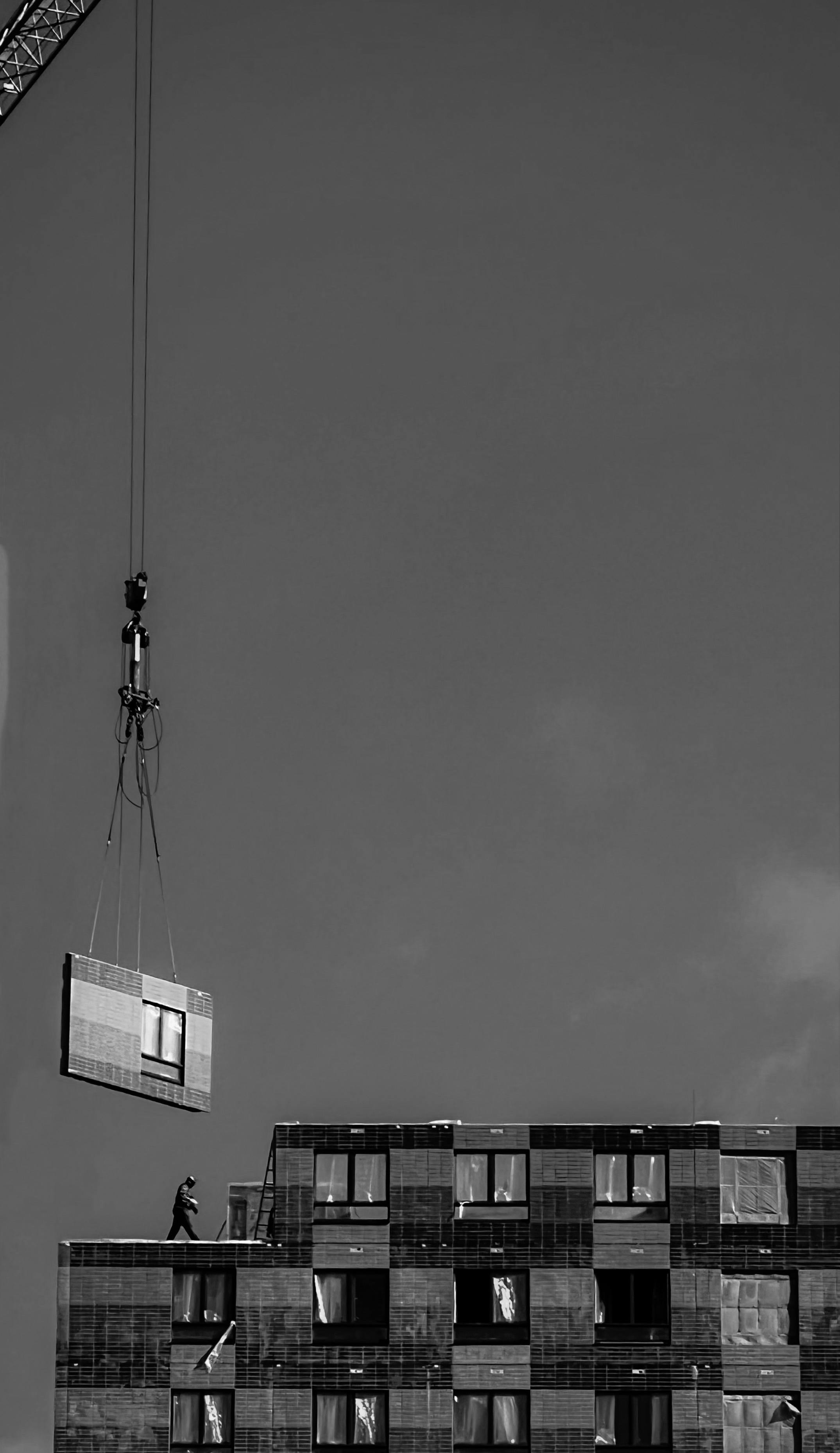
Climate Disaster Survivors Embrace Custom Prefab Homes for Resilience
Quick read below — save or share if useful.
As the effects of climate change intensify, many individuals and families are facing the daunting task of rebuilding their homes after devastating disasters such as wildfires, hurricanes, and floods. In response to this growing need, the housing market is adapting by pivoting towards prefabricated homes that offer both convenience and resilience. This shift not only reflects a change in consumer preferences but also highlights a broader movement towards sustainable living solutions in an era of increasing environmental challenges.
Why this matters
The increasing frequency of severe weather events driven by climate change necessitates a reevaluation of how communities approach housing. Traditional construction methods often fall short in terms of speed, affordability, and durability when faced with such unpredictable conditions. Prefabricated homes emerge as viable alternatives that can be produced quickly in factories, helping to reduce construction waste and minimize carbon footprints. This trend aligns with a growing emphasis on sustainability, making it imperative for the construction industry to innovate in order to address the housing crisis exacerbated by climate disasters.
What is happening
In response to the recent surge of extreme weather—marked by wildfires in the West, hurricanes along the Gulf Coast, and floods in the Midwest—homeowners like the Warneskys are discovering that prefabricated housing can offer a solution. These homes are transitioning from standard, boxy designs to more customized, bespoke options that allow for greater personalization and resilience. In many cases, these structures are designed to withstand specific climate risks, providing peace of mind for those rebuilding in vulnerable areas.
Manufacturers are capitalizing on technological advances, using sustainable materials and methods that lessen environmental impact. The prefabrication process allows for greater efficiency, as homes can be assembled quickly, reducing time spent on-site and minimizing disruption to both families and communities. This change is being welcomed by many who see it as a way to regain stability after experiencing loss, while also contributing to a larger shift towards eco-friendly living.
What readers can take away
- Consider the potential of prefabricated homes as a sustainable housing option, especially in disaster-prone areas.
- Explore the benefits of modern construction techniques that focus on efficiency and environmental sustainability.
- Stay informed about advancements in building materials and designs that prioritize resilience against climate change.
- Understand the importance of community planning in mitigating the impacts of future climate-related disasters.
- Reflect on the role of individual choices in promoting sustainable living, regardless of whether one is rebuilding or building new.
FAQ
What are prefabricated homes?
Prefabricated homes are structures that are manufactured off-site in sections (or modules) and then transported and assembled at their final locations. This method often results in shorter construction times and less waste compared to traditional building methods.
How do prefabricated homes perform against climate disasters?
Many prefabricated homes are designed with robust materials and techniques that enhance their resilience to specific climate-related threats, such as high winds or flooding. Customization options allow homeowners to select features that improve safety and sustainability.
Is building a sustainable home more expensive?
While the initial costs of sustainable building materials can sometimes be higher, the long-term savings in energy costs and the potential for disaster resilience can make prefabricated homes a financially sound investment.
Original source: read more here.
- 𝕏 Twitter: @0_Simone_0
- 🎥 YouTube: Audiobook Free – Author Ciro Irmici
- 📸 Instagram: @spartaco_94_
- 💻 Tech Trends: techtrendspins.blogspot.com
- 💪 Fitness Home Journal: fitnesshomejournal.blogspot.com
- 🐾 Pet Care Inspo: petcareinspo.blogspot.com
- 🌍 Nomad Vibes Board: nomadvibesboard.blogspot.com
- 💰 Crypto Radar Board: cryptoradarboard.blogspot.com
- 🌱 Green Planet Pins: greenplanetpins.blogspot.com
- 🥗 Healthy Eats Board: healthyeatsboard.blogspot.com
Enjoyed this post? Share it or explore more across my blogs and channels.