 GreenPlanet News

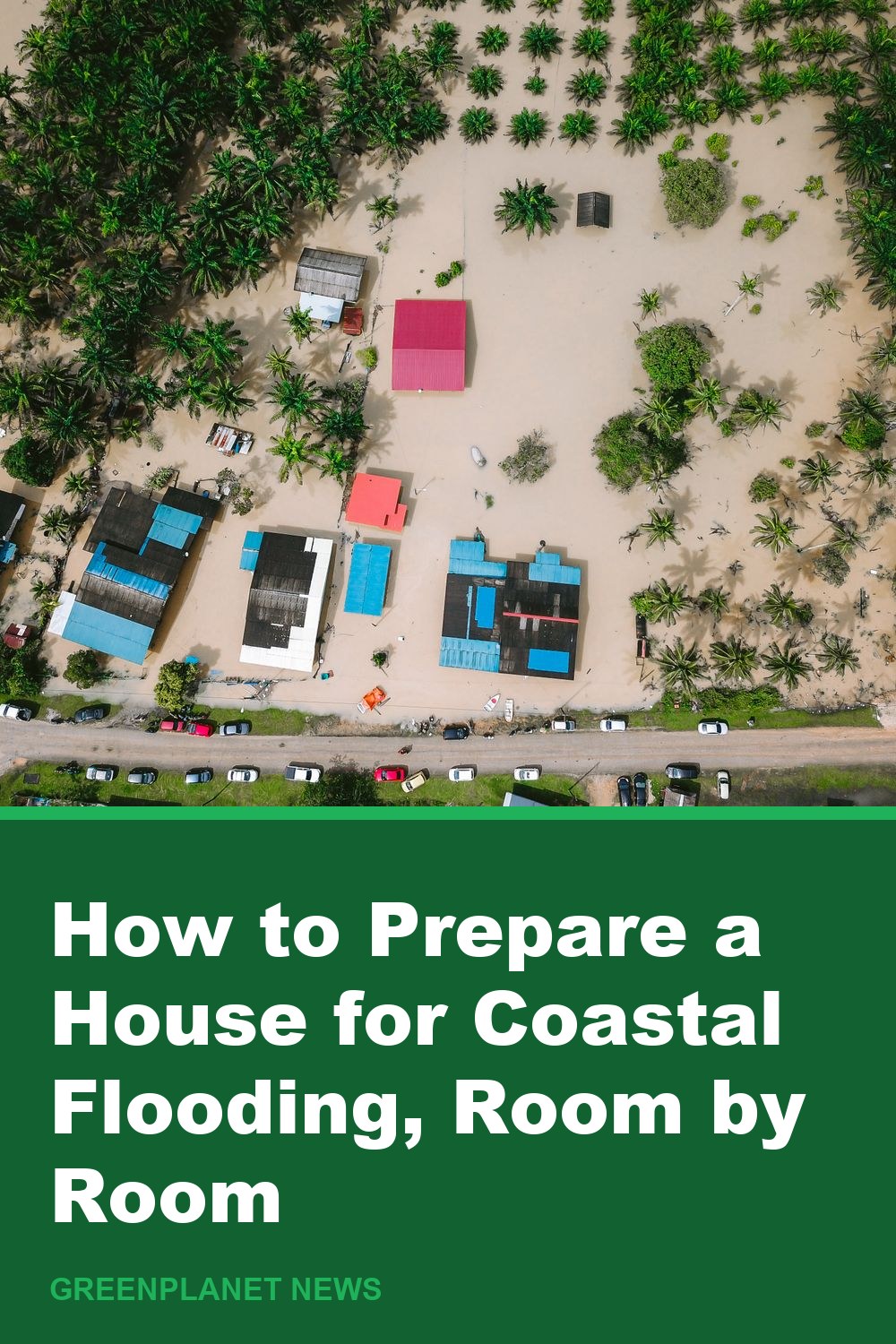

- Start outside, then work inward: move water away from walls, lift valuables off the floor, and photograph everything before it is wet.
- A storm's odds can drop, as Kyle's did to 10%, while flooding keeps going: the St. Johns River passed its 1953 record by over a foot.
- Your insurance claim is only as strong as your records, so a dated video walk-through and a copy of your policy are worth doing today.
To prepare a house for coastal flooding, work from the outside in: clear drains and gutters, move anything valuable up off the floor, protect the utilities, and photograph every room and your policy papers before water arrives. Most of it costs little or nothing and takes a weekend or less. It matters right now because a coastal low near Florida is expected to push strong onshore winds, heavy rain and rough surf up the Eastern Seaboard, and the ground in places is already soaked.
Why a fading storm can still flood your street
According to Yale Climate Connections, forecasters were watching a system just east of Florida that could have become Tropical or Subtropical Storm Kyle. By midday Saturday, Nov. 21, the odds of that had fallen to 10%. The flooding did not fall with them. Heavy rain across east-central Florida pushed the St. Johns River to record heights, and at Cocoa it ran more than a foot above the 17.55-foot crest set in October 1953.
The totals are striking. Yale Climate Connections reports that some Broward County neighbourhoods, including Plantation, received more than 16 inches of rain this week. Melbourne's airport had recorded 17.25 inches from Nov. 1 to 18, with nearly five more inches reported by early Thursday afternoon. The National Weather Prediction Center put east-central Florida under a level 4 of 4 risk of excessive rain for Friday and Friday night.
Further north, the same source expects 10-15-foot waves and repeated rounds of minor to moderate coastal flooding, plus beach erosion, reaching the Carolinas over the weekend. Heavy rain and gusty wind could then spread into the Northeast and New England. The track could still shift left or right, which decides who gets hit hardest. So treat the forecast as a deadline, not a verdict.
Outside the house: yard, gutters and walls
Water you keep away from the walls is water you never have to pump out. Do these first, while it is still dry enough to work:
- Clear gutters, downspouts and street-side drains. Blocked roof water spills straight down beside the foundation.
- Point downspouts well away from the walls. Cheap extensions move the flow off the footing.
- Empty any rain barrel. A full one cannot catch anything. Our guide to sizing a rain barrel or cistern and checking local rules covers overflow routing.
- Bring in or tie down loose items. Bins, furniture and tools turn into floating debris in surge and strong wind.
- Park vehicles on the highest ground you can reach. Cars are often the most expensive thing exposed to the water.
- Walk the outside and note cracks, gaps and low vents. Seal what you can with outdoor-rated caulk, because these are the quickest ways in.
Basement and ground floor: power, pumps and low shelves
This is where the expensive damage happens, so spend your time here.
- Test the sump pump by pouring water into the pit. You want to learn it is stuck now, not at midnight.
- Add a battery backup if you rely on a pump. Storms often take the power with them, and a mains-only pump stops when it goes.
- Raise the washer, dryer, freezer and boxes onto blocks or high shelves. Even a few inches of water ruins motors and cardboard.
- Move anything electrical off the floor, and unplug what you cannot move. Wet outlets are a shock risk.
- Shift paint, fertiliser and cleaning products to an upper level. Floodwater carries spilled chemicals into the rest of the house.
- Know where your main shut-offs are. Locate the water valve, electrical panel and gas valve so anyone at home can find them fast.
- Do not stand in water to touch the panel. If it is already wet, leave it and call your utility.
If your area also faces wet winters, the wet-winter checklist for El Niño overlaps with much of this list, so one round of work covers both.
Kitchen, bedrooms and living areas
- Lift rugs and small furniture onto beds, counters or upstairs. Soaked fabric is the hardest thing to dry and often cannot be saved.
- Move low cabinet contents higher. Food and dishes touched by floodwater usually have to be thrown out.
- Charge phones, power banks and torches now. Keep a battery radio and a small stock of water and non-perishable food where you can reach them.
- Put medicines and essentials in one bag by the door. If you are told to leave, you will not be hunting through cupboards.
- Raise curtains and hang them from rods. It keeps them out of the first inch of water.
- Sort pets' needs too. Carrier, leads, food and records go in the same grab bag.
Papers, photos and your insurance claim
After a flood, the insurer asks you to prove what you owned and what shape it was in. Nothing here is complicated, but it must be done before the water.
- Film a slow walk-through of every room, opening cupboards and drawers. A dated video is a ready-made inventory.
- Photograph big-ticket items and their serial numbers. Appliances, electronics and tools are the lines that get questioned.
- Read your policy for the word “flood”. Standard home cover often treats flood separately from wind and rain damage, so find out what you actually have and phone your insurer or broker with questions.
- Save digital copies of the policy, deeds, IDs and bank details to the cloud. Keep the paper originals in a sealed waterproof pouch, upstairs.
- Note your deductible (or excess in the UK). Our Honest Toolkit emergency fund calculator helps you see whether you could cover it from savings.
Sixty minutes, in this order
If the surf is already building and time is short, spend it on whatever protects safety first, then the most expensive items, then proof:
- Charge phones and gather your grab bag (medicines, documents, torch, pet supplies), so you can leave at once if told to.
- Move cars and anything valuable to higher ground or an upper floor, starting with electronics, papers and keepsakes.
- Clear the gutters and drains you can reach, and aim downspouts away from the walls.
- Raise or unplug low appliances and test the sump pump.
- Film the whole house, then save the video and your policy somewhere off the property.
Then keep watching the forecast. As Yale Climate Connections notes, the exact track, strength and timing decide where the worst lands.
FAQ
Should I turn the electricity off before a flood?
Only if you can reach the panel while standing on dry ground and the area around it is dry. If water is already near the panel or outlets, stay away and call your electric utility or emergency services for help.
What should I do after the water recedes?
Photograph the damage before you move anything, and contact your insurer early. Then dry the house out and be careful with anything touched by floodwater, which can carry contamination. Avoid the area until it is safe to enter.
As an Amazon Associate I earn from qualifying purchases: if you buy through these links I may earn a small commission, at no extra cost to you. Each link opens a search on the Amazon store for your country.
Watch or listen to this episode
Sources
- Yale Climate Connections: Kyle could form off Florida as extensive, prolonged coastal flood threat grows
- Yale Climate Connections: Una tormenta tropical o subtropical podría formarse frente a Florida este viernes, mientras aumenta la amenaza de inundaciones costeras
Photo: Pok Rie / Pexels

I'm an Italian creator who builds apps, games and websites. I run GreenPlanet News with the help of AI tools: every article starts from the sources linked above, and I check what goes out. I'm not a doctor, a lawyer or a financial adviser. Spotted a mistake or have an idea? Write to me.
Instagram @spartaco_94_My websiteWrite to meAbout this blogWritten by Ciro Irmici (Ciro Simone Irmici), with the help of AI tools. Ciro Irmici's website











 Green Investing 101: A Beginner's Guide to Sustainable Investments





