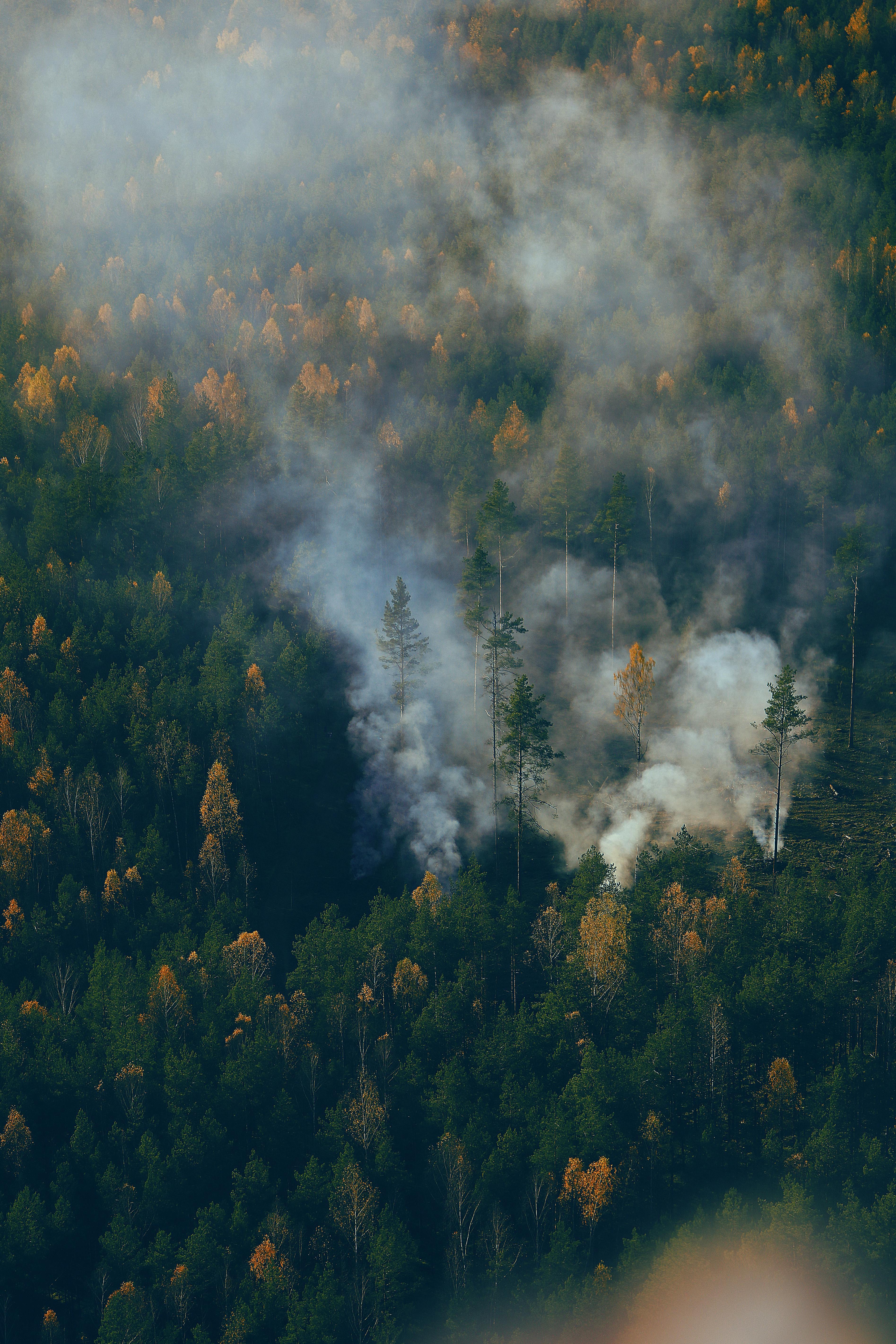
"How Wildfires Are Transforming Our Ecosystems in a Warming World"
Quick read below — save or share if useful.
As wildfires ravage landscapes around the globe, they serve as stark reminders of the significant environmental shifts caused by climate change. Beyond the immediate destruction, these events signal a transformation of ecosystems, altering habitats and creating new challenges for wildlife and human communities alike. Understanding this phenomenon is crucial as it affects not only our planet's biodiversity but also our future climate resilience.
Why this matters
The increasing frequency and intensity of wildfires underscore an urgent need to address climate change and its far-reaching impacts. These fires reshape ecosystems and, consequently, the natural services they provide, including carbon storage, clean air, and water purification. The consequences also stretch to economic stability, public health, and food security, all of which are fundamental to human well-being. For communities that rely on natural resources, adapting to a world dominated by fire is not just a theoretical exercise; it is a pressing necessity.
What is happening
Wildfires are becoming a commonplace occurrence as the world grows warmer. Recent analyses indicate that climate change has created conditions conducive to the spread of wildfires, including prolonged droughts and extreme temperatures. This has been particularly evident in regions that were previously less susceptible to fire, leading to an unprecedented remapping of landscapes.
Forests are not merely losing trees; the composition of forest ecosystems is changing. Species that were once prevalent may disappear entirely, while others flourish in new conditions, leading to a reshaped ecological balance. In coastal areas, changes in vegetation due to fire may impact marine life and sediment stability, affecting the entire coastal ecosystem. Furthermore, the air quality and health risks associated with wildfire smoke can have detrimental effects on populations far from the fire's epicenter, illustrating how interconnected our world has become.
These seemingly isolated incidents of fire are interlinked with global patterns of climate change. For example, the Arctic is witnessing unprecedented wildfires that release significant amounts of carbon dioxide, exacerbating global warming and creating a vicious cycle. As forests globally are reconfigured by fires, the consequent loss of green cover can lead to accelerated climate change and feedback loops that make future wildfires even more likely.
What readers can take away
- Support local and global efforts to mitigate climate change: Participate in climate-oriented initiatives and support policies that promote sustainable practices.
- Stay informed about environmental changes: Monitor research and discussions surrounding wildfires and climate impacts. Knowledge is power when it comes to preparedness and advocacy.
- Advocate for reforestation and restoration: Engage in or support local tree-planting projects that aim to restore ecosystems affected by wildfires.
- Practice fire safety: If you live in areas prone to wildfires, adopting fire-resistant landscaping and following local guidelines can help protect your property and community.
- Communicate with your community: Engage in discussions about the impacts of climate change and wildfires with neighbors and local leaders to foster a collective response.
FAQ
What are the primary causes of the increase in wildfires?
Factors contributing to the rise in wildfires include climate change, land management practices, human activity, and natural weather conditions such as drought and high winds.
How do wildfires affect local wildlife?
Wildfires can destroy habitats, leading to loss of biodiversity. Some species may be forced to relocate, while others may face extinction if they cannot adapt quickly enough.
What steps can individuals take to reduce their carbon footprint?
Individuals can reduce their carbon footprint by using public transportation, conserving energy, reducing waste, and supporting renewable energy sources.
Original source: read more here.
- 𝕏 Twitter: @0_Simone_0
- 🎥 YouTube: Audiobook Free – Author Ciro Irmici
- 📸 Instagram: @spartaco_94_
- 💻 Tech Trends: techtrendspins.blogspot.com
- 💪 Fitness Home Journal: fitnesshomejournal.blogspot.com
- 🐾 Pet Care Inspo: petcareinspo.blogspot.com
- 🌍 Nomad Vibes Board: nomadvibesboard.blogspot.com
- 💰 Crypto Radar Board: cryptoradarboard.blogspot.com
- 🌱 Green Planet Pins: greenplanetpins.blogspot.com
- 🥗 Healthy Eats Board: healthyeatsboard.blogspot.com
Enjoyed this post? Share it or explore more across my blogs and channels.