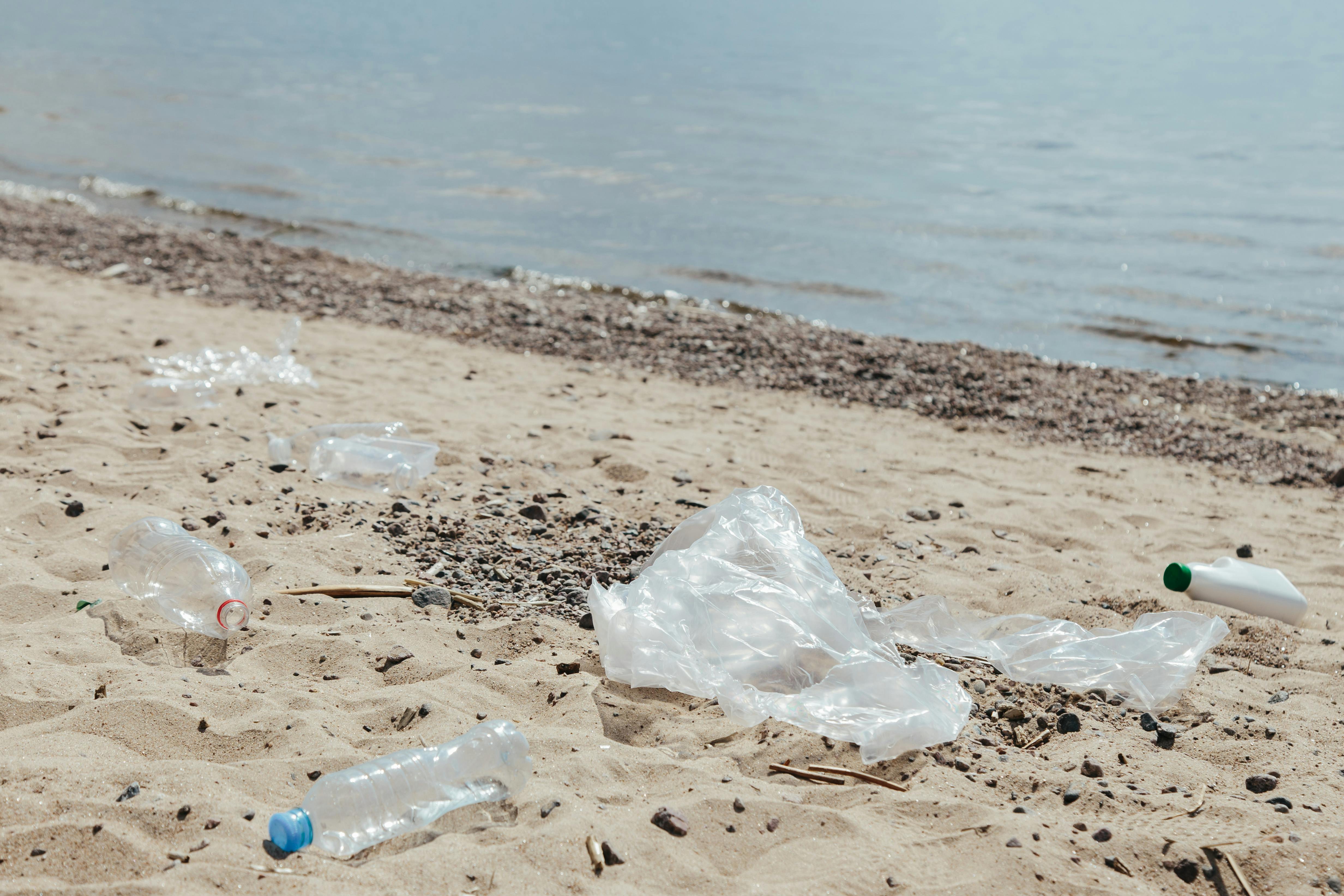
A 1,500 km Journey: The Plastic Bottle Cap with 307 Hitchhikers
Quick read below — save or share if useful.
A recent discovery in the Pacific Ocean has highlighted the dire state of plastic pollution, culminating in a remarkable finding: a tiny plastic bottle cap traveled 1,500 kilometers while carrying an astonishing 307 hitchhiking organisms. This small object encapsulates a broader environmental concern that demands our urgent attention. Understanding these facts can help us comprehend the pressing issue of marine pollution and our role in it.
Why this matters
The journey of this bottle cap serves as a powerful symbol of plastic pollution and its impact on marine ecosystems. Plastic waste has increasingly become a significant environmental threat, with millions of tons ending up in our oceans every year. This affects not only marine life but also human health as toxins can enter the food chain. Awareness of such findings underscores the need for sustainable practices and the importance of taking action to reduce plastic use and improve waste management. Protecting our oceans is not just an ecological concern; it is a matter of public health and the preservation of biodiversity.
What is happening
In 2023, scientists aboard a research vessel in the Pacific Ocean captured a plastic bottle cap, which was found drifting just off the coast of Japan. This seemingly insignificant piece of waste revealed a troubling reality of marine pollution. It was reported that 307 microorganisms had set up "hitchhiking" residence on the cap during its journey. These organisms, known collectively as microplastics, include bacteria and other marine life that can be detrimental to ecological balance, raising questions about how they might spread disease or change habitats. Each object that enters our oceans has the potential to impact marine ecosystems in ways we are only beginning to understand.
What readers can take away
- Consider reducing plastic consumption: Small changes, like using reusable bags or water bottles, can significantly reduce plastic waste.
- Support local clean-up efforts: Engage in community efforts aimed at cleaning local waterways and beaches to combat marine pollution.
- Educate others: Share information about the dangers of plastic in the ocean to encourage more people to join the movement for sustainability.
- Advocate for policies: Support legislation aimed at reducing plastic production and incentivizing recycling efforts.
- Stay informed: Keep abreast of new research on marine life to better understand the impacts of pollution and how we can mitigate these effects.
FAQ
How does plastic pollution affect marine life?
Plastic pollution can harm marine life through ingestion, entanglement, and habitat destruction, leading to declining populations and species extinction.
What are microplastics and why are they a concern?
Microplastics are small plastic particles that can be ingested by marine organisms, potentially introducing toxins into the food chain. Their pervasive presence raises concerns for both wildlife and human health.
What can individuals do to help reduce plastic pollution?
Individuals can reduce plastic use by opting for reusable products, participating in local clean-up events, and advocating for better waste management policies.
Original source: read more here.
- 𝕏 Twitter: @0_Simone_0
- 🎥 YouTube: Audiobook Free – Author Ciro Irmici
- 📸 Instagram: @spartaco_94_
- 💻 Tech Trends: techtrendspins.blogspot.com
- 💪 Fitness Home Journal: fitnesshomejournal.blogspot.com
- 🐾 Pet Care Inspo: petcareinspo.blogspot.com
- 🌍 Nomad Vibes Board: nomadvibesboard.blogspot.com
- 💰 Crypto Radar Board: cryptoradarboard.blogspot.com
- 🌱 Green Planet Pins: greenplanetpins.blogspot.com
- 🥗 Healthy Eats Board: healthyeatsboard.blogspot.com
Enjoyed this post? Share it or explore more across my blogs and channels.