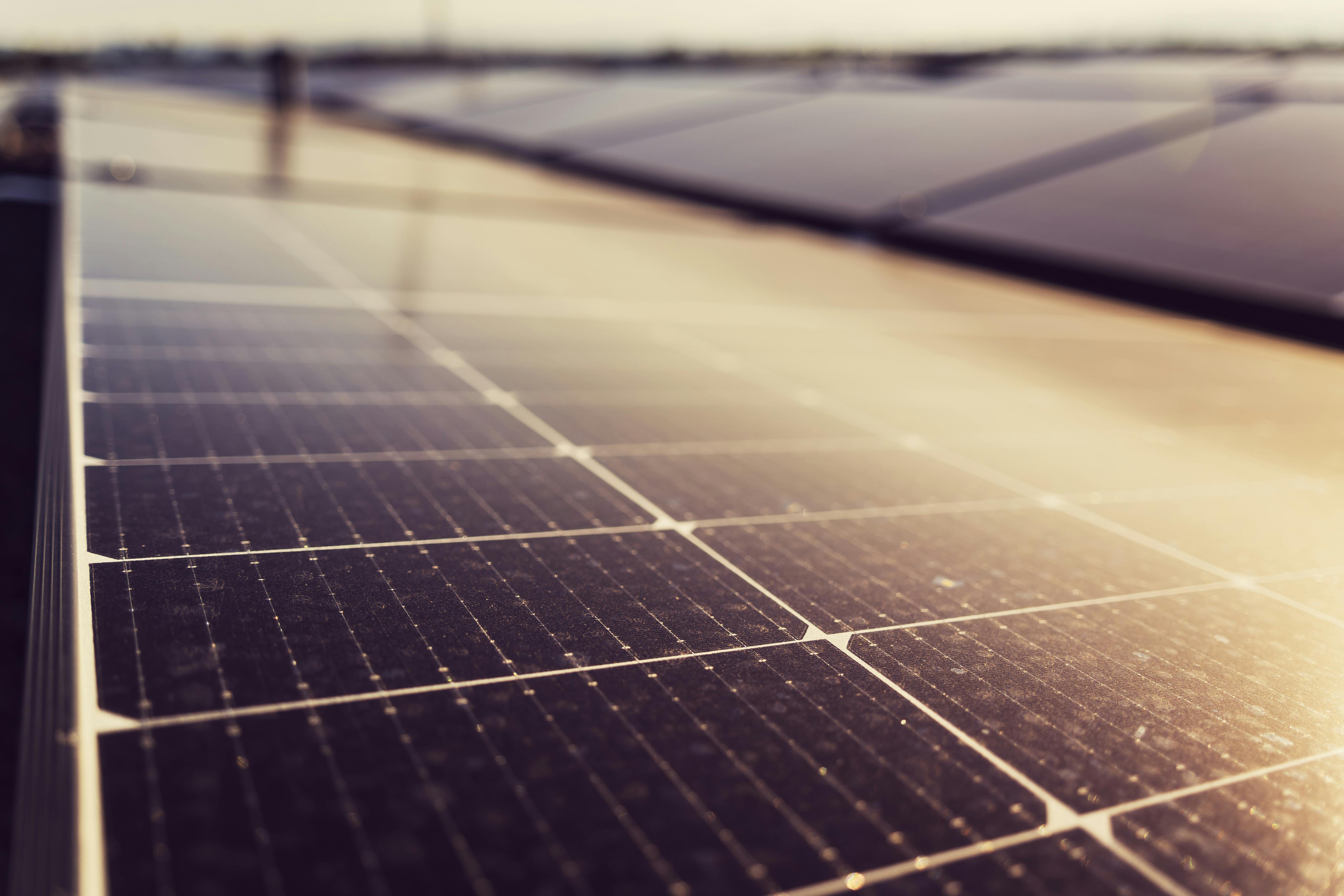
States Reassess Climate and Energy Laws: Impacts and Future Directions
Quick read below — save or share if useful.
In recent years, several states in the U.S. have begun to reverse their own climate and energy laws, shifting away from ambitious renewable energy goals and emission reduction targets. This trend raises significant concerns for environmental advocates and policymakers who see these laws as critical to combating climate change and ensuring a sustainable future.
Why this matters
The alarming rollback of climate policies at the state level symbolizes a growing disillusionment with the progress towards clean energy goals. For many years, following the inaction of the federal government—particularly during the Trump administration—states took the initiative to form their own climate policies, leading to progressive laws like New York's Climate Leadership and Community Protection Act and Virginia’s commitment to renewable energy. However, recent backtracks may not only hinder local efforts to transition to sustainable energy but also set a precedent that could diminish public trust in green initiatives.
What is happening
During the Trump administration, many states became frustrated with the federal government’s reluctance to address critical energy and climate issues. In response, these states took matters into their own hands, crafting legislation aimed at reducing greenhouse gas emissions and increasing reliance on renewable energy sources. Significant acts were passed, notably New York’s ambitious climate law that established binding renewable energy and emissions reduction targets.
Recently, however, a chilling trend has emerged: various states are rolling back their commitments to these laws. Reasons vary from drastic shifts in political leadership to a focus on economic recovery that prioritizes fossil fuel industries. For instance, states like Texas and West Virginia are scrutinizing or even dismantling existing regulations that aim to reduce carbon footprints or limit emissions from power plants.
This reversal can create a domino effect. As some states abandon their ambitious goals, neighboring states may feel pressure to do the same, prompting wider regional implications for climate action. Industrial interests and economic arguments often overshadow environmental concerns, leading to conflicts where short-term gains are prioritized over long-term sustainability.
What readers can take away
- Stay informed about the climate policies in your state and engage with local advocacy groups that align with sustainability efforts.
- Support businesses and initiatives that contribute to renewable energy and sustainable practices to help maintain momentum at the grassroots level.
- Participate in community discussions and educate others about the impact of climate legislation on the environment and local economy.
- Understand the importance of elections—local and state representatives can significantly influence climate policy directions.
- Demand accountability from policymakers to ensure that climate laws remain a priority, especially during economic recovery phases.
FAQ
What led to the initial creation of state climate laws?
The initial push for state climate laws was largely a response to federal inaction on climate change during the Trump administration. States sought to address immediate environmental issues by establishing their own targets for renewable energy and emissions reductions.
Why is the rollback of these laws concerning?
The rollback of climate laws is troubling because it undermines the significant investments and efforts made toward achieving sustainability. It may also lead to increased carbon emissions, slower progress in combating climate change, and diminished public trust in governmental commitments to environmental policies.
What can individuals do to support climate action?
Individuals can support climate action by engaging in advocacy, making sustainable lifestyle choices, and staying informed about local policies and issues affecting their environment. Joining community initiatives and supporting clean energy projects are also impactful ways to contribute to sustainability efforts.
Original source: read more here.
- 𝕏 Twitter: @0_Simone_0
- 🎥 YouTube: Audiobook Free – Author Ciro Irmici
- 📸 Instagram: @spartaco_94_
- 💻 Tech Trends: techtrendspins.blogspot.com
- 💪 Fitness Home Journal: fitnesshomejournal.blogspot.com
- 🐾 Pet Care Inspo: petcareinspo.blogspot.com
- 🌍 Nomad Vibes Board: nomadvibesboard.blogspot.com
- 💰 Crypto Radar Board: cryptoradarboard.blogspot.com
- 🌱 Green Planet Pins: greenplanetpins.blogspot.com
- 🥗 Healthy Eats Board: healthyeatsboard.blogspot.com
Enjoyed this post? Share it or explore more across my blogs and channels.