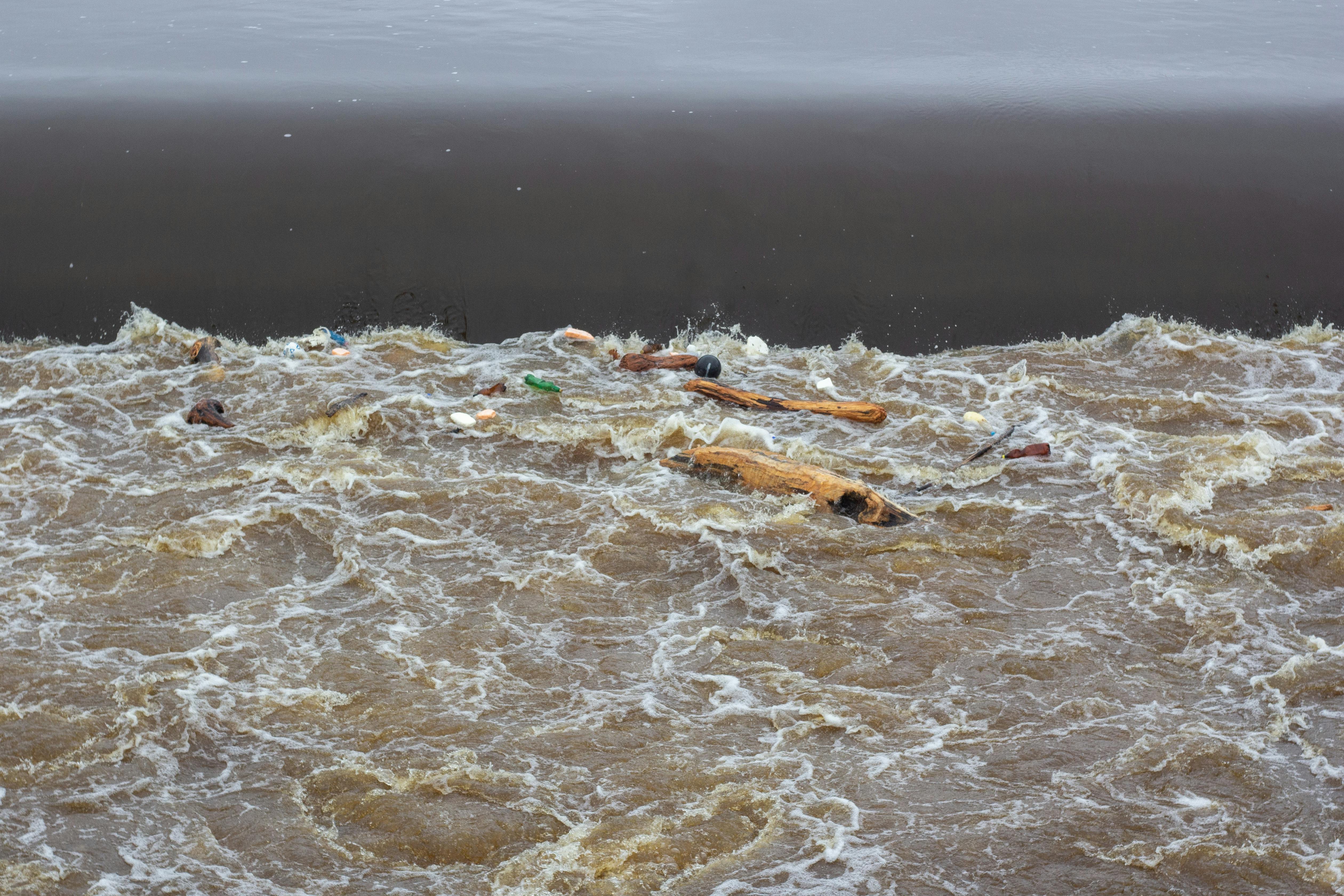
"Microplastics Found in Pennsylvania Water: Signs of Positive Change Ahead"
Quick read below — save or share if useful.
Microplastics, those tiny plastic particles that pose a growing threat to ecosystems and human health, are pervasive in Pennsylvania's water supply, prompting urgent calls for action among researchers and environmental advocates. New findings from a team at Penn State University shine a light on the extent of microplastic contamination and the crucial steps needed to address this silent crisis.
Why this matters
Plastic pollution is an escalating environmental issue that transcends borders, impacting wildlife, water sources, and ultimately human health. Microplastics have been found in the food we eat and the air we breathe, making it imperative to understand how these pollutants enter our environment and how they can be mitigated. The fact that Pennsylvania's waterways are laden with microplastics underscores the urgency for local and global efforts aimed at reducing plastic waste.
What is happening
Research indicates that microplastics have infiltrated nearly every water source in Pennsylvania—from rivers and lakes to drinking water. According to scholars from Penn State, this phenomenon raises significant concerns about the quality of water available to Pennsylvanians and the broader ecological implications. These findings stem from extensive studies done in both urban and rural areas, revealing that microplastics can be found across various ecosystems, often originating from common sources like clothing, packaging, and single-use plastic products.
The researchers emphasize that despite the alarming presence of these pollutants, there is cautious hope that initiatives aimed at reducing plastic waste can change the tide. Legislative efforts, community clean-up programs, and the growing popularity of sustainable practices among consumers may contribute to decreasing the influx of microplastics into waterways. Awareness is crucial, as understanding the sources and impacts of microplastics can empower individuals and communities to engage in effective environmental stewardship.
What readers can take away
- Educate yourself and others about the sources of microplastics, including everyday items like synthetic clothing and disposable products.
- Support local legislation aimed at reducing plastic pollution, such as bans on single-use plastics or measures incentivizing recycling.
- Participate in local clean-up efforts and advocate for community initiatives focused on protecting water quality.
- Consider making lifestyle changes that reduce plastic consumption, such as opting for reusable products and biodegradable materials.
- Stay informed about ongoing research and findings regarding microplastics and environmental health.
FAQ
What are microplastics?
Microplastics are small plastic particles measuring less than five millimeters that originate from various sources, including the degradation of larger plastic items, synthetic fibers from clothing, and products like personal care items.
What effects do microplastics have on health?
While more research is needed, studies suggest that microplastics may pose health risks to humans as they can enter the food chain, impacting wildlife and potentially affecting human health through consumption of contaminated water or food.
How can I help reduce microplastic pollution?
Individuals can help reduce microplastic pollution by minimizing their use of plastics, choosing natural fibers over synthetics, participating in clean-up efforts, and advocating for policies that promote sustainability and reduce plastic waste.
Original source: read more here.
- 𝕏 Twitter: @0_Simone_0
- 🎥 YouTube: Audiobook Free – Author Ciro Irmici
- 📸 Instagram: @spartaco_94_
- 💻 Tech Trends: techtrendspins.blogspot.com
- 💪 Fitness Home Journal: fitnesshomejournal.blogspot.com
- 🐾 Pet Care Inspo: petcareinspo.blogspot.com
- 🌍 Nomad Vibes Board: nomadvibesboard.blogspot.com
- 💰 Crypto Radar Board: cryptoradarboard.blogspot.com
- 🌱 Green Planet Pins: greenplanetpins.blogspot.com
- 🥗 Healthy Eats Board: healthyeatsboard.blogspot.com
Enjoyed this post? Share it or explore more across my blogs and channels.