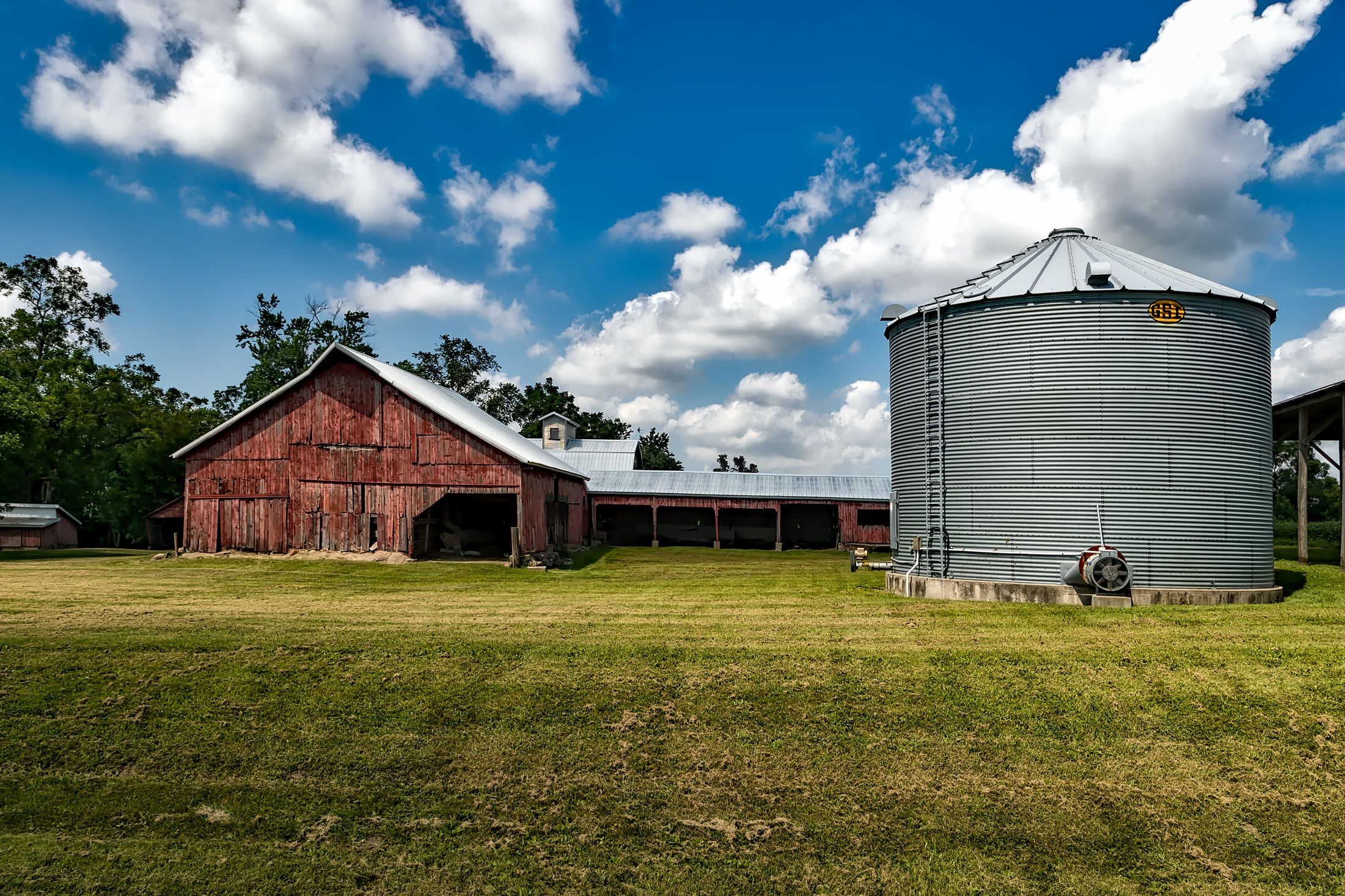
Iowa's Hidden Livestock Facilities Expose Gaps in Pollution Oversight
Quick read below — save or share if useful.
A recent study has uncovered a significant underestimation in the number of livestock facilities operating in Iowa, revealing thousands more than state databases acknowledge. Researchers employing advanced satellite imagery and federal aerial analysis identified over 15,000 livestock operations, far surpassing the approximately 11,000 currently recorded by the state. This discrepancy raises critical concerns regarding environmental oversight, pollution management, and the accuracy of state agricultural data, which could have far-reaching implications for both the local ecology and public health.
Why this matters
The environmental implications of agricultural practices, particularly in livestock production, are profound. Industrial livestock operations contribute significantly to greenhouse gas emissions, water pollution, and land degradation. Understanding the full scope of these operations is crucial for implementing effective environmental safeguards and sustainable practices. The revelation of more than 15,000 facilities highlights a pressing need for better regulatory frameworks that can adequately address the challenges posed by intensified livestock farming in Iowa, a state already grappling with nutrient runoff and manure management issues.
What is happening
The investigation conducted over the span of a year combined the analysis of federal aerial imagery and satellite data with existing state records. The resulting data uncovered thousands of livestock facilities that had previously gone unrecorded, indicating that the total agricultural footprint of livestock farming in Iowa is larger than previously understood. This newly identified growth poses potential risks through increased manure production and related pollution, highlighting significant gaps in current state oversight and reporting processes.
The state of Iowa relies on its regulated database, which reflects a seemingly stable number of around 11,000 animal feeding operations. However, the analysis conducted has brought to light the urgent necessity for reform in how these facilities are monitored. It raises questions about the adequacy of current tracking systems for manure distribution and environmental compliance, particularly as Iowa faces overarching issues related to water quality and agricultural runoff.
What readers can take away
- Increased awareness of livestock facility numbers may lead to more informed discussions about agricultural policy and its environmental implications.
- Understanding the importance of accurate data in environmental management can empower advocates and policymakers to push for better regulations.
- Support initiatives and organizations working towards sustainable agricultural practices and better oversight to ensure public health and ecological protection.
- Recognize the importance of transparency in state agricultural databases, as accurate records are crucial in the fight against pollution and climate change.
FAQ
What are the environmental impacts of industrial livestock operations?
Industrial livestock operations are linked to increased greenhouse gas emissions, significant nutrient runoff contributing to water pollution, and soil degradation. These factors can severely impact local ecosystems and public health.
How do state regulations affect livestock farming?
State regulations aim to manage the environmental impact of livestock farming through monitoring and enforcement of practices related to manure disposal, emissions, and overall farm management. Inaccurate records can hinder effective regulation and oversight.
What can individuals do to support sustainable agriculture?
Individuals can support sustainable agriculture by purchasing locally sourced products, advocating for stricter regulations on industrial agriculture, and engaging in discussions about environmental sustainability and food production practices.
Original source: read more here.
- 𝕏 Twitter: @0_Simone_0
- 🎥 YouTube: Audiobook Free – Author Ciro Irmici
- 📸 Instagram: @spartaco_94_
- 💻 Tech Trends: techtrendspins.blogspot.com
- 💪 Fitness Home Journal: fitnesshomejournal.blogspot.com
- 🐾 Pet Care Inspo: petcareinspo.blogspot.com
- 🌍 Nomad Vibes Board: nomadvibesboard.blogspot.com
- 💰 Crypto Radar Board: cryptoradarboard.blogspot.com
- 🌱 Green Planet Pins: greenplanetpins.blogspot.com
- 🥗 Healthy Eats Board: healthyeatsboard.blogspot.com
Enjoyed this post? Share it or explore more across my blogs and channels.