 GreenPlanet News

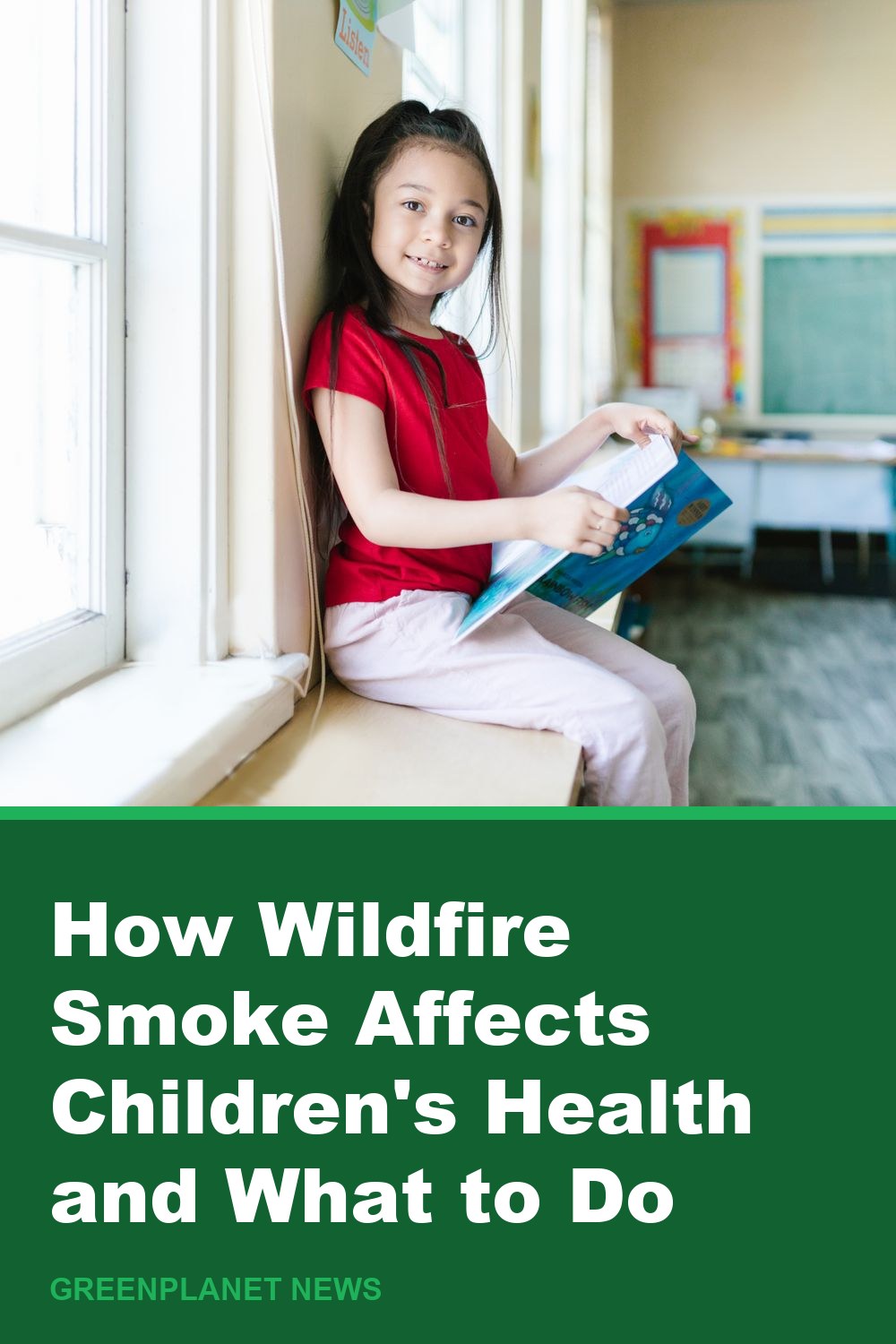

- Smoke brings immediate breathing discomfort for children and can lead to long-term respiratory problems, so they count among the most vulnerable groups.
- Closed windows and doors, a purifier in the room your child sleeps in and a habit of checking air quality reports cover most of the protection a household can give.
- Smoke also costs children outdoor play, so planning indoor science, craft and reading time is part of keeping them well.
Wildfire smoke harms children in two ways. It brings immediate respiratory discomfort and poor air quality, and repeated exposure can lead to long-term respiratory problems, which is why children are counted among the vulnerable groups. Smoke also keeps kids indoors, so they miss the play and time in nature that support healthy development. Wildfires are becoming more frequent and more severe, so a plan made before the next haze arrives protects your child, and it costs far less than scrambling once the air turns bad.
What smoke does to a child's body
The short-term effects are the ones parents notice first: respiratory discomfort and the general drop in air quality that comes with a smoky day. Children feel these effects when they run, cycle or play hard outdoors, which is exactly what they want to do in summer.
The longer-term concern is more serious. Breathing smoke can contribute to lasting respiratory problems, and children are among the groups most at risk. That is the reason to treat a smoky week as a health matter and not just an inconvenience.
Clean air matters for children's development more broadly. Our post on how clean air policies in London improved kids' lung growth and thinking skills shows the other side of the same coin.
The developmental and emotional cost of a smoky summer
In Montana, summer once meant biking around the neighbourhood, swimming in lakes and exploring the landscape. As smoke has increased, that picture has changed. School closures, cancelled outdoor camps and health advisories have become part of the season, and families now weigh up whether to go outside or stay in.
The cost goes beyond the lungs. Children who can't climb trees or camp under the stars lose experiences that nature and physical play provide, and the psychological effect of those restrictions is a real concern. Constant smoke can also be an unsettling reminder of the wider environmental crisis, which some children find worrying.
Room-by-room checklist for a smoky day
You don't need a big budget to cut your child's exposure. Work through the house in this order, and note what each step is for.
- Front door and entry: keep doors shut and make sure they close properly. Every open door lets smoky air in and undoes the work done elsewhere.
- All windows: close them before the smoke arrives, not after the house already smells of it. Closed windows are the cheapest protection you have.
- Gaps around doors and windows: look for draughts you can feel with your hand. Sealing them keeps smoke out and keeps heat in, and our post on air sealing before you insulate covers the order of jobs.
- Child's bedroom: if you buy one air purifier, put it here, as children spend long unbroken hours in this room. Keep the door and windows closed so the purifier cleans the same air rather than pulling in more.
- Living room or play area: use a second purifier here if the budget allows, or move the day's activities into the room that already has one.
- Kitchen: check how you ventilate while cooking. Avoid opening a window to clear cooking smells on a smoky day, and use shorter, simpler cooking where you can.
- Hallway or family notice board: post the local air quality source you trust, plus emergency contacts, so any adult in the house can check quickly.
- Cupboard or storage: set aside a box for smoke and fire situations, with supplies tailored to them. Keep it easy to find.
Check the running cost of any purifier you consider before buying. The label shows its power use, and you can multiply that by the hours it runs and your electricity rate to see what a smoky week adds to your bill.
How to decide when children can play outside
Make air quality reports part of your routine rather than something you look up only when the sky turns orange. Check local air quality alerts in the morning and again before any planned outing, and use them to choose the safest times for outdoor activity.
When smoke levels are high, keep children indoors. Don't make the decision on the day with the kids watching. Agree your rule in advance, so everyone knows that a bad reading means the plan changes, not that it is up for debate.
- Check the report before breakfast and again before any outing.
- Choose the time of day with the better reading for outdoor play.
- Check the camp, club or school policy on smoke days, as cancellations and advisories are common in affected areas.
- Decide who makes the call when parents are at work, such as a grandparent or childminder.
Indoor activities that keep children curious
A smoky week is easier when the indoor options are ready. Plan a few that connect to the outdoors the children are missing.
- Science games and experiments: they keep curiosity alive and teach children about the environment, even when going outside isn't an option.
- Creative projects: arts and crafts about wildlife give children something to make and keep.
- Books about the outdoors: reading together keeps a connection to nature going when the hills are hidden by haze.
- Educational games on nature and environmental issues: these suit older children who want something more than a craft.
Keep a box of supplies for these activities next to the emergency box, so a smoke alert doesn't mean a trip to the shops.
Weekend plan before the season starts
One quiet weekend is enough to prepare. Build a family emergency plan that covers:
- Evacuation routes: agree on them in advance, so nobody is guessing under pressure.
- Emergency contacts: write them down and keep a copy where every adult can find it.
- Supplies: pack the items you would need in a smoke or fire situation, and tailor them to your family.
- Local fire safety resources: find out who provides them and how to get updates, and stay informed about community support.
It also helps to know how your state or region approaches fire risk. Our post on why some states struggle to pass new wildfire protection laws explains what is and isn't happening in the policy world.
Talking with children about smoke and worry
Children notice when summer changes. Open conversations about climate anxiety help them cope with a changing world and give them a sense that they can act. Let them ask questions, answer plainly, and give them a job, such as checking the air quality report with you.
Families can also share what they've learned. Passing on safe practices and emergency plans to neighbours and school groups helps the whole community prepare for wildfire season. If you want to go further, you can speak to local and national leaders about the growing prevalence of wildfires and back policies that address climate change.
If you only have one hour
- Close every window and make sure the doors shut properly.
- Find your local air quality report and put it on your phone's home screen.
- Set up an air purifier in your child's bedroom if you own one, and keep that door closed.
- Write your emergency contacts and evacuation routes on one sheet of paper and stick it up where everyone will see it.
- Choose three indoor activities and put the materials in a box, so the next smoky day has a plan.
As an Amazon Associate I earn from qualifying purchases: if you buy through these links I may earn a small commission, at no extra cost to you. Each link opens a search on the Amazon store for your country.
Photo: RDNE Stock project / Pexels

I'm an Italian creator who builds apps, games and websites. I run GreenPlanet News with the help of AI tools: every article starts from the sources linked above, and I check what goes out. I'm not a doctor, a lawyer or a financial adviser. Spotted a mistake or have an idea? Write to me.
Instagram @spartaco_94_My websiteWrite to meAbout this blog










 Green Investing 101: A Beginner's Guide to Sustainable Investments





