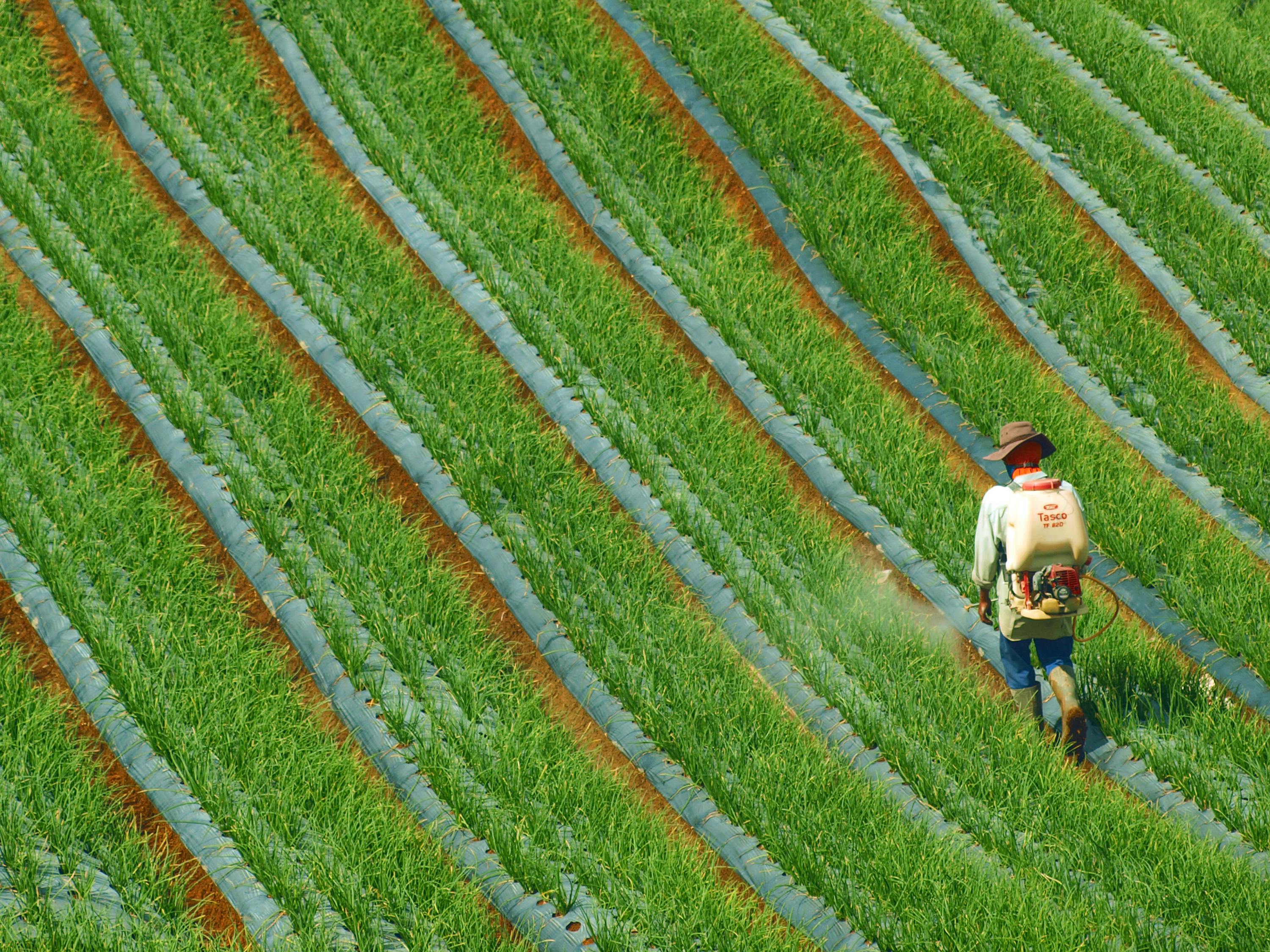
Glyphosate's Role in the Rise of Superbugs: A Growing Concern
Quick read below — save or share if useful.
One of the world’s most widely used herbicides, glyphosate, may be playing a critical role in the rise of drug-resistant superbugs, according to recent research. This connection raises significant concerns for public health and environmental safety. As glyphosate continues to dominate agricultural practices globally, understanding its implications is essential for anyone invested in sustainability and ecological health.
Why this matters
The use of glyphosate has burgeoned since its introduction in the 1970s, becoming a staple in modern agriculture due to its effectiveness in controlling weeds. However, as the prevalence of glyphosate increases, so too does the alarming potential for negative consequences on human health and the environment. Recent findings suggest that the herbicide may not only influence plant life but also contribute to the proliferation of multidrug-resistant bacteria, transforming how we perceive agricultural practices and their ecological impact.
What is happening
A study published in the journal "Frontiers in Microbiology" highlights a concerning link between glyphosate and the emergence of drug-resistant strains of bacteria. The researchers from various institutions found that exposure to glyphosate could lead to changes in bacteria, giving rise to strains that are resistant to multiple antibiotics. This transformation poses a serious threat, as these superbugs could render standard treatments ineffective, leading to increased morbidity and mortality from infections that were once easily treatable.
The implications of these findings are profound. The study emphasizes that glyphosate may not only affect the weeds it’s designed to eliminate but also inadvertently foster an environment where bacteria can adapt and evolve resistance to critical antibiotics. This multifaceted challenge underscores the need for enhanced regulatory scrutiny around glyphosate and similar herbicides, particularly given their widespread application in agriculture.
What readers can take away
- Consider reducing personal consumption of glyphosate-treated products by opting for organic produce whenever possible.
- Support local farms that prioritize sustainable agricultural practices and alternatives to chemical herbicides.
- Stay informed about the potential health effects of agricultural chemicals and participate in community discussions surrounding environmental policies.
- Encourage further research into the ecological impacts of widely used herbicides and advocate for policy changes that protect public health.
- Understand the importance of antibiotic stewardship to combat the growing threat of superbugs in conjunction with addressing agricultural practices.
FAQ
What is glyphosate?
Glyphosate is a broad-spectrum systemic herbicide commonly used to kill weeds and grasses that compete with crops. It's found in many agricultural products, including those used for food and gardening.
How does glyphosate relate to antibiotic resistance?
Research indicates that glyphosate exposure may lead to genetic changes in bacteria, enhancing their resistance to multiple drugs. This relationship highlights concerns about public health and the efficacy of current antibiotics.
What can be done to mitigate the risks associated with glyphosate?
Advocating for stricter regulations on herbicide use, supporting sustainable farming practices, and increasing public awareness about the implications of chemical use in agriculture can help address these risks.
Original source: read more here.
- 𝕏 Twitter: @0_Simone_0
- 🎥 YouTube: Audiobook Free – Author Ciro Irmici
- 📸 Instagram: @spartaco_94_
- 💻 Tech Trends: techtrendspins.blogspot.com
- 💪 Fitness Home Journal: fitnesshomejournal.blogspot.com
- 🐾 Pet Care Inspo: petcareinspo.blogspot.com
- 🌍 Nomad Vibes Board: nomadvibesboard.blogspot.com
- 💰 Crypto Radar Board: cryptoradarboard.blogspot.com
- 🌱 Green Planet Pins: greenplanetpins.blogspot.com
- 🥗 Healthy Eats Board: healthyeatsboard.blogspot.com
Enjoyed this post? Share it or explore more across my blogs and channels.