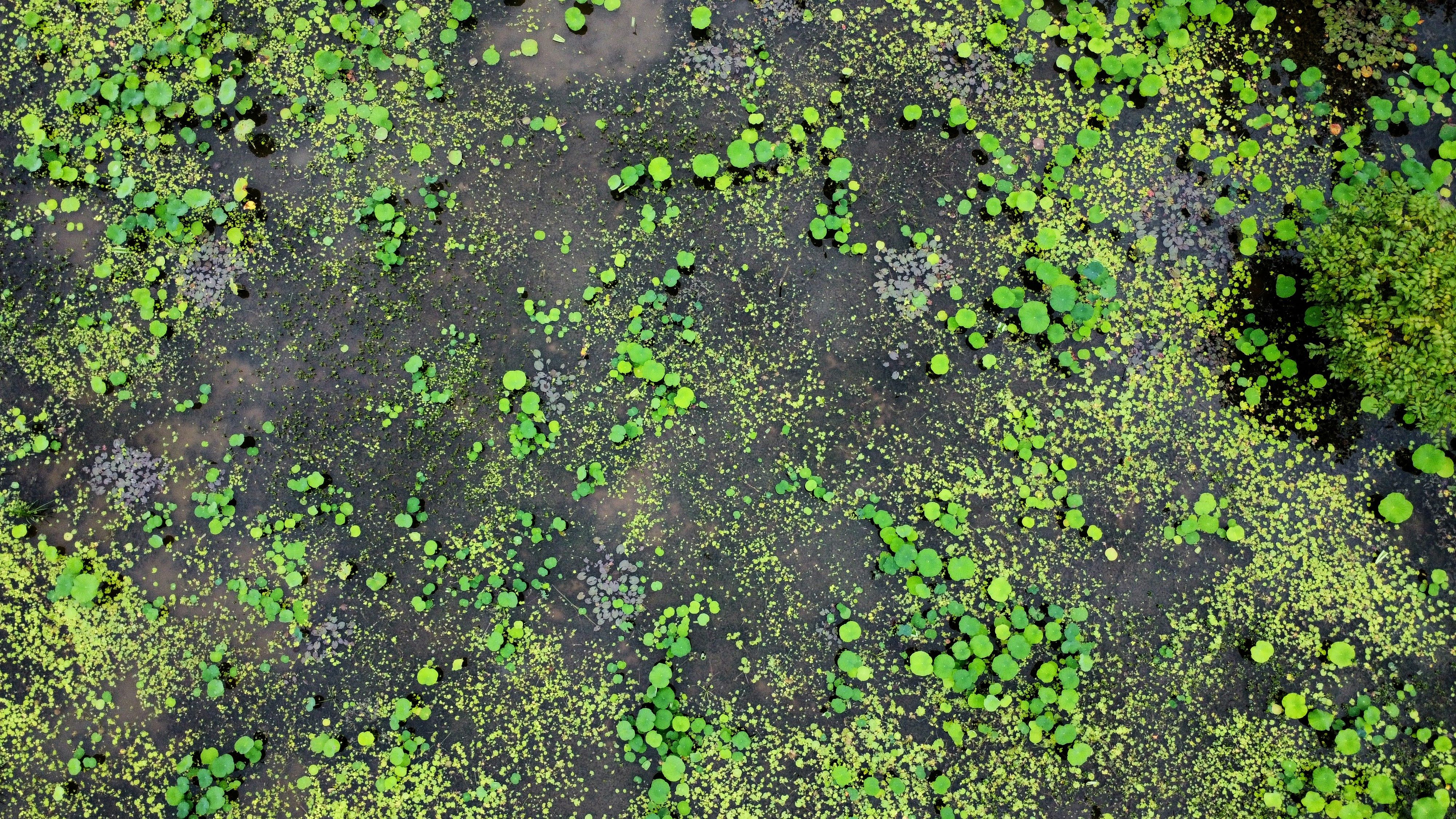
Floating Wetland Near O'Hare Aims to Enhance Water Quality in Chicago
Quick read below — save or share if useful.
In an innovative effort to enhance urban ecosystems, Chicago's Northwest Side is host to a pioneering floating wetland at Schiller Pond, strategically located near O'Hare Airport and the Kennedy Expressway. This initiative, spearheaded by the Cook County Forest Preserve, aims to improve the local water quality and could set a precedent for similar projects in urban areas facing ecological challenges.
Why this matters
Water pollution remains a pressing issue globally, particularly in urban settings where natural water bodies often suffer from runoff, waste, and pollution. According to environmental studies, floating wetlands may serve as effective solutions for enhancing water quality by filtering pollutants and providing habitats for wildlife. With a significant focus on sustainability and green living, Chicago’s project could not only contribute positively to local ecosystems but also inspire other cities to adopt similar approaches in their fight against urban water pollution.
What is happening
Schiller Pond, a modest 6-acre water body, is now the site of Chicago's first floating wetland, which features vegetation specially selected to thrive on water's surface. The design allows plants to absorb excess nutrients and pollutants, creating cleaner water while also supporting biodiversity in urban areas. This pilot project is part of a larger initiative by the Cook County Forest Preserve aimed at promoting ecosystem recovery while educating the public about the importance of water conservation. Stakeholders hope to assess the effectiveness of this floating wetland, which could lead to expansion into other parts of the city and beyond.
What readers can take away
- This project highlights the importance of innovative solutions in combating urban pollution and restoring natural habitats.
- Floating wetlands may serve as a model for other cities struggling with water quality issues, demonstrating that simple ecological solutions can have significant impacts.
- By engaging the community, such projects foster awareness about environmental stewardship and the role individuals can play in protecting local ecosystems.
- Visiting floating wetlands can offer meaningful insights into the intersection of nature and urban development, encouraging a greater appreciation for the environment.
- Supporting urban ecological initiatives reflects a commitment to sustainability and can inspire similar efforts at the grassroots level.
FAQ
What exactly is a floating wetland?
A floating wetland is a man-made structure filled with plants that float on the surface of a water body, designed to absorb pollutants and provide habitat for wildlife.
How can a floating wetland improve water quality?
These wetlands filter out excess nutrients and pollutants in the water, helping to prevent harmful algal blooms and ensuring healthier ecosystems.
Can other cities implement similar projects?
Yes, floating wetlands can be designed to fit various urban environments and are being explored as effective tools for improving water quality in cities across the globe.
Original source: read more here.
- 𝕏 Twitter: @0_Simone_0
- 🎥 YouTube: Audiobook Free – Author Ciro Irmici
- 📸 Instagram: @spartaco_94_
- 💻 Tech Trends: techtrendspins.blogspot.com
- 💪 Fitness Home Journal: fitnesshomejournal.blogspot.com
- 🐾 Pet Care Inspo: petcareinspo.blogspot.com
- 🌍 Nomad Vibes Board: nomadvibesboard.blogspot.com
- 💰 Crypto Radar Board: cryptoradarboard.blogspot.com
- 🌱 Green Planet Pins: greenplanetpins.blogspot.com
- 🥗 Healthy Eats Board: healthyeatsboard.blogspot.com
Enjoyed this post? Share it or explore more across my blogs and channels.