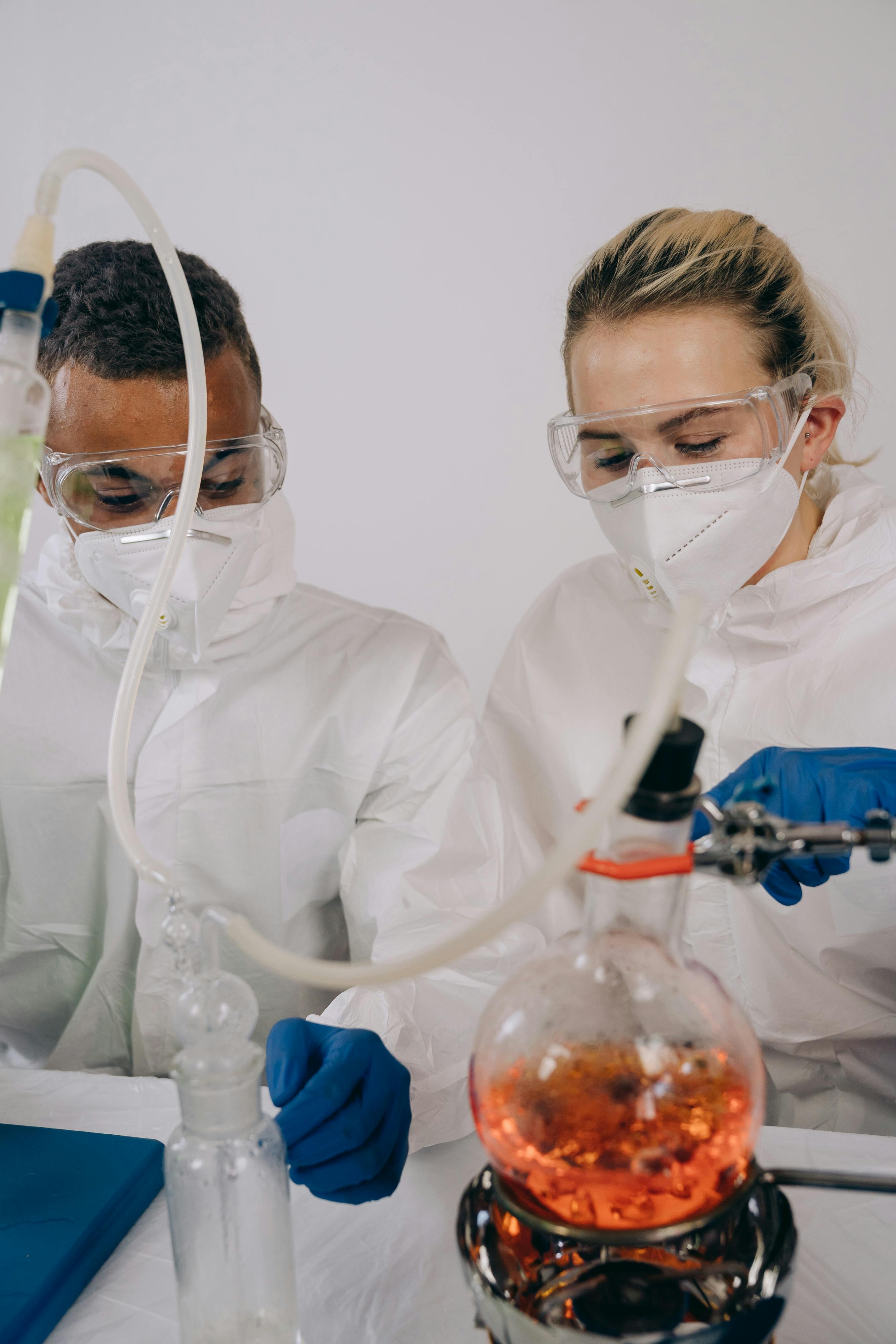
Breakthrough Methods to Eliminate Stubborn "Forever Chemicals" PFAS
Quick read below — save or share if useful.
In a significant development for environmental science, researchers have identified two groundbreaking methods to eliminate the notorious "forever chemicals" known as PFAS (per- and polyfluoroalkyl substances). These chemicals, infamous for their resilience and potential health hazards, pose a pressing challenge in water safety and pollution control. The ability to effectively neutralize these substances not only holds promise for better public health outcomes but also underscores the urgent need for innovative solutions in the fight against environmental contamination.
Why this matters
PFAS are a group of man-made chemicals that have been widely used in various industries for their water- and grease-resistant properties. Their persistence in the environment has earned them the moniker "forever chemicals," as they do not degrade easily, accumulating in soil and water systems. This poses significant risks to human health, including potential links to cancer, liver damage, and reproductive issues. Given the global crackdown on harmful pollutants, finding effective methods to remediate PFAS is imperative for restoring ecosystems and ensuring safe drinking water, making these new findings particularly timely.
What is happening
According to a report from Helmholtz-Zentrum Dresden-Rossendorf, scientists are exploring two innovative techniques to destroy PFAS compounds effectively. The first method exploits collapsing vapor bubbles, which create immense heat and generate reactive molecules capable of breaking down the chemical bonds that make PFAS so durable. This approach harnesses the energy from physical phenomena, potentially offering a rapid and efficient solution for degrading these pollutants.
The second technique employs cold plasma in conjunction with rising gas bubbles. This method generates reactive species that can attack PFAS molecules, leading to their eventual destruction. Cold plasma technology has been recognized for its potential in various applications, including sterilization and material modification, thus demonstrating its versatility and relevance in environmental cleanup efforts.
Both methods are still in the testing phase, but they represent a promising leap forward in the ongoing struggle to tackle PFAS contamination. As traditional methods of treatment struggle to eradicate these chemicals, the development of these innovative solutions could provide effective alternatives that significantly reduce their presence in our water supplies.
What readers can take away
- Awareness of PFAS: Understanding the dangers associated with forever chemicals encourages action towards environmental preservation.
- Support for Research: Advocacy for funding and support for environmental science research can help advance solutions to pollution challenges.
- Clean Water Practices: Becoming informed about water treatment practices can empower individuals to be part of community efforts to safeguard water quality.
- Engagement in Policy: Engaging with local and national policymakers on environmental issues can drive regulations aimed at reducing and eliminating harmful chemical use.
- Personal Choices: Making sustainable choices in personal and consumer products can lead to a collective impact on reducing the use of harmful chemicals.
FAQ
What are PFAS and why are they a concern?
PFAS are synthetic chemicals used in various applications for their water- and grease-resistant properties. They are a concern due to their persistence in the environment and potential health risks, including links to serious health conditions.
How do these new methods work to destroy PFAS?
The new methods involve using collapsing vapor bubbles to generate extreme heat and reactive molecules, and employing cold plasma technology with gas bubbles to break down PFAS molecules effectively.
What can I do to help address PFAS contamination?
Individuals can advocate for stronger regulations on PFAS, support environmental research, be informed about water quality issues, and make conscious choices regarding consumer products to avoid those containing harmful chemicals.
Original source: read more here.
- 𝕏 Twitter: @0_Simone_0
- 🎥 YouTube: Audiobook Free – Author Ciro Irmici
- 📸 Instagram: @spartaco_94_
- 💻 Tech Trends: techtrendspins.blogspot.com
- 💪 Fitness Home Journal: fitnesshomejournal.blogspot.com
- 🐾 Pet Care Inspo: petcareinspo.blogspot.com
- 🌍 Nomad Vibes Board: nomadvibesboard.blogspot.com
- 💰 Crypto Radar Board: cryptoradarboard.blogspot.com
- 🌱 Green Planet Pins: greenplanetpins.blogspot.com
- 🥗 Healthy Eats Board: healthyeatsboard.blogspot.com
Enjoyed this post? Share it or explore more across my blogs and channels.