UK Rivers at Increased Risk of Climate Whiplash Due to Extreme Weather
Quick read below — save or share if useful.
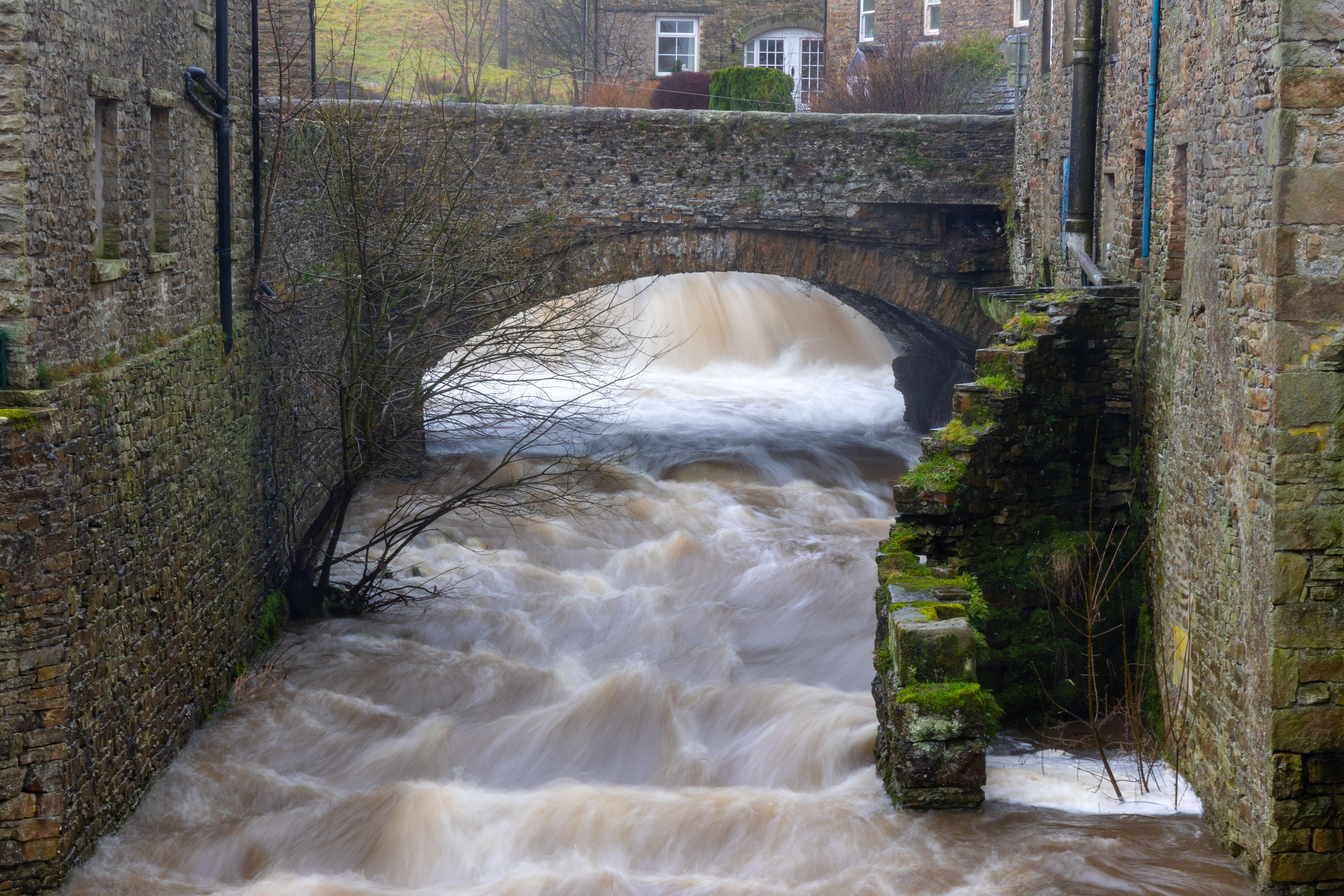
Rivers across the UK are facing an increasingly alarming trend known as climate 'whiplash', where extreme weather swings between droughts and flooding are expected to intensify due to climate change. This phenomenon could have severe implications for ecosystems, water quality, and communities that rely on these vital waterways.
Why this matters
The health of UK rivers is crucial not only for local wildlife but also for the millions of people who depend on freshwater sources for drinking, agriculture, and recreation. As climate change escalates, understanding hydroclimatic extremes becomes essential to develop effective strategies for water management. The potential for more frequent and severe weather events is a wake-up call for both local governments and residents alike, putting pressure on existing infrastructure and necessitating proactive environmental policies.
What is happening
Recent research from the Tyndall Centre for Climate Change Research indicates a troubling trend: as global temperatures rise, the UK will likely experience increasing hydroclimatic volatility. This intensity means that rivers will not only face periods of heavy rainfall leading to flooding but also extended dry spells, contributing to drought conditions. Researchers warn that without significant action to mitigate climate change and adapt to its impacts, rivers may become less reliable sources of water, leading to ecological and social challenges.
The study highlights predictions under both 2°C and 4°C warming scenarios, forecasting a future in which UK rivers could grow more unpredictable. Such conditions could threaten biodiversity, disrupt aquatic habitats, and affect water supply and quality. Communities living in flood-prone areas could particularly feel the impacts, with an increased risk of property damage and displacement.
What readers can take away
- Stay informed about local water management practices and climate resilience plans.
- Engage with local environmental groups advocating for sustainable water use and infrastructure improvements.
- Consider how personal water consumption affects local rivers; adopting water-efficient habits can contribute to better management.
- Support policies that aim to address climate change and protect natural water systems.
- Participate in community discussions about local climate impacts to help raise awareness and encourage action.
FAQ
What is 'climate whiplash'?
'Climate whiplash' refers to extreme fluctuations in weather patterns, where regions can experience rapid changes from drought to flooding. This phenomenon poses risks to both human communities and natural ecosystems.
How will climate change impact the UK’s rivers?
Climate change can lead to increased frequency and severity of weather events, such as prolonged droughts followed by intense rainfall. These shifts can disrupt the natural flow and health of rivers, impacting biodiversity and water quality.
What can individuals do to help mitigate these impacts?
Individuals can reduce water usage, support climate-friendly policies, and engage in community discussions about water management and climate resilience strategies to protect local waterways.
Original source: read more here.
- 𝕏 Twitter: @0_Simone_0
- 🎥 YouTube: Audiobook Free – Author Ciro Irmici
- 📸 Instagram: @spartaco_94_
- 💻 Tech Trends: techtrendspins.blogspot.com
- 💪 Fitness Home Journal: fitnesshomejournal.blogspot.com
- 🐾 Pet Care Inspo: petcareinspo.blogspot.com
- 🌍 Nomad Vibes Board: nomadvibesboard.blogspot.com
- 💰 Crypto Radar Board: cryptoradarboard.blogspot.com
- 🌱 Green Planet Pins: greenplanetpins.blogspot.com
- 🥗 Healthy Eats Board: healthyeatsboard.blogspot.com
Enjoyed this post? Share it or explore more across my blogs and channels.