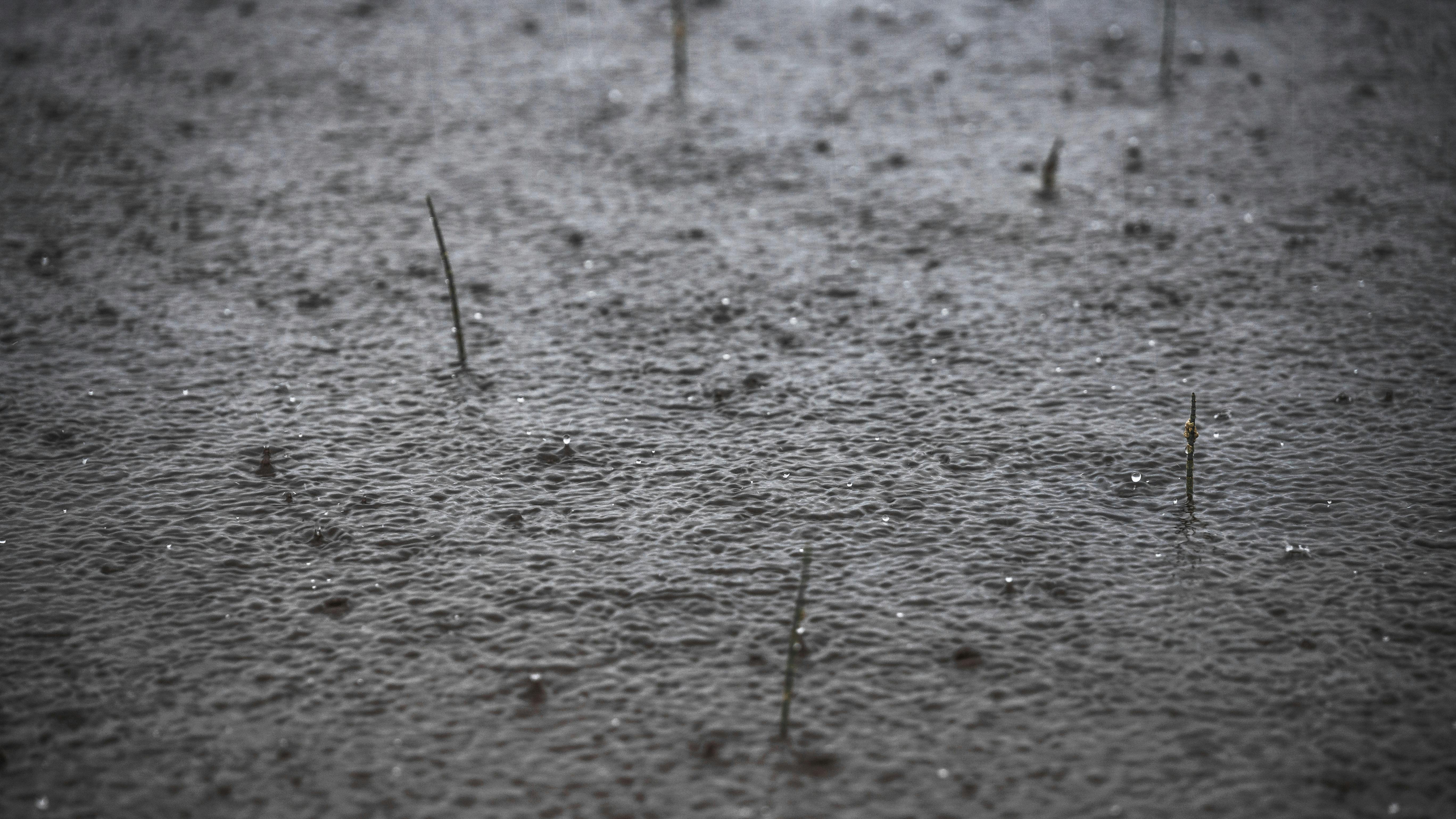
Invisible Chemicals Rain Down Worldwide: Environmental Impact Explained
Quick read below — save or share if useful.
A recent study raises alarming concerns about the unseen consequences of chemicals developed to protect our atmosphere. Research from Lancaster University suggests that trifluoroacetic acid (TFA), a compound linked to long-lasting chlorofluorocarbon (CFC) replacements, is increasingly falling as a form of 'forever chemical' rain across the globe. This discovery highlights the potential long-term environmental risks associated with these compounds, which, while initially designed with positive intentions, may now be having negative effects on our ecosystems.
Why this matters
The use of products intended to mitigate ozone depletion has inadvertently contributed to a new environmental challenge. TFA is particularly concerning due to its resilience; it does not easily break down and can persist in the environment for extended periods. This new understanding complicates the narrative of progress in environmental protection, illustrating how chemical solutions can have unforeseen and far-reaching impacts on public health and ecosystems. With ongoing climate change concerns, the emergence of such persistent pollutants raises urgent questions about regulatory frameworks and the need for comprehensive environmental monitoring.
What is happening
The study points to the unintended consequences of introducing non-ozone-depleting substitutes for CFCs, which were themselves banned due to their role in thinning the ozone layer. Researchers have documented a significant increase in atmospheric levels of trifluoroacetic acid, indicating it is accumulating to concerning levels. These findings suggest that, despite efforts to improve the environment, new and potentially harmful chemicals can enter our ecosystems through industrial production and usage.
Despite the original objective of protecting the ozone layer, the research indicates a growing environmental deposition of TFA, leading to questions about its bioaccumulation and effects on flora and fauna. As a substance classified as a 'forever chemical,' TFA poses a risk that extends across continents, revealing the complexities of chemical use in industrial and medical settings. This leads to an important discussion about the safety assessment processes of chemicals before they are widely adopted in the market.
What readers can take away
- Be informed: Stay updated on the latest research regarding environmental chemicals to understand their implications.
- Support sustainable practices: Advocate for and choose products that are environmentally friendly and hold up to scrutiny regarding their long-term impacts.
- Engage in discussions: Participate in conversations about regulatory policies surrounding chemical use to promote transparency and safety in industries.
- Consider your consumption: Educate yourself on the ingredients in products you use daily, prioritizing those with fewer harmful chemicals.
- Participate in advocacy: Join groups or movements focused on environmental protection to ensure a collective push towards more sustainable industrial practices.
FAQ
What are 'forever chemicals'?
Forever chemicals, such as trifluoroacetic acid, are substances that do not break down in the environment and can accumulate over time, potentially affecting human health and ecosystems.
Why are TFA levels rising?
The rise in TFA levels is attributed to increased production and usage of chemicals designed as replacements for chlorofluorocarbons, suggesting that some environmental measures may have unintended consequences.
What does this mean for the future of environmental health?
The increase of these compounds underscores the need for rigorous testing and regulation of new chemicals to prevent potential harm to both health and the environment. More comprehensive monitoring is necessary to assess the long-term impacts of these substances.
Original source: read more here.
- 𝕏 Twitter: @0_Simone_0
- 🎥 YouTube: Audiobook Free – Author Ciro Irmici
- 📸 Instagram: @spartaco_94_
- 💻 Tech Trends: techtrendspins.blogspot.com
- 💪 Fitness Home Journal: fitnesshomejournal.blogspot.com
- 🐾 Pet Care Inspo: petcareinspo.blogspot.com
- 🌍 Nomad Vibes Board: nomadvibesboard.blogspot.com
- 💰 Crypto Radar Board: cryptoradarboard.blogspot.com
- 🌱 Green Planet Pins: greenplanetpins.blogspot.com
- 🥗 Healthy Eats Board: healthyeatsboard.blogspot.com
Enjoyed this post? Share it or explore more across my blogs and channels.