Brueghel’s Insight: Greater Noctule Bats Preying on Migrating Birds
Quick read below — save or share if useful.
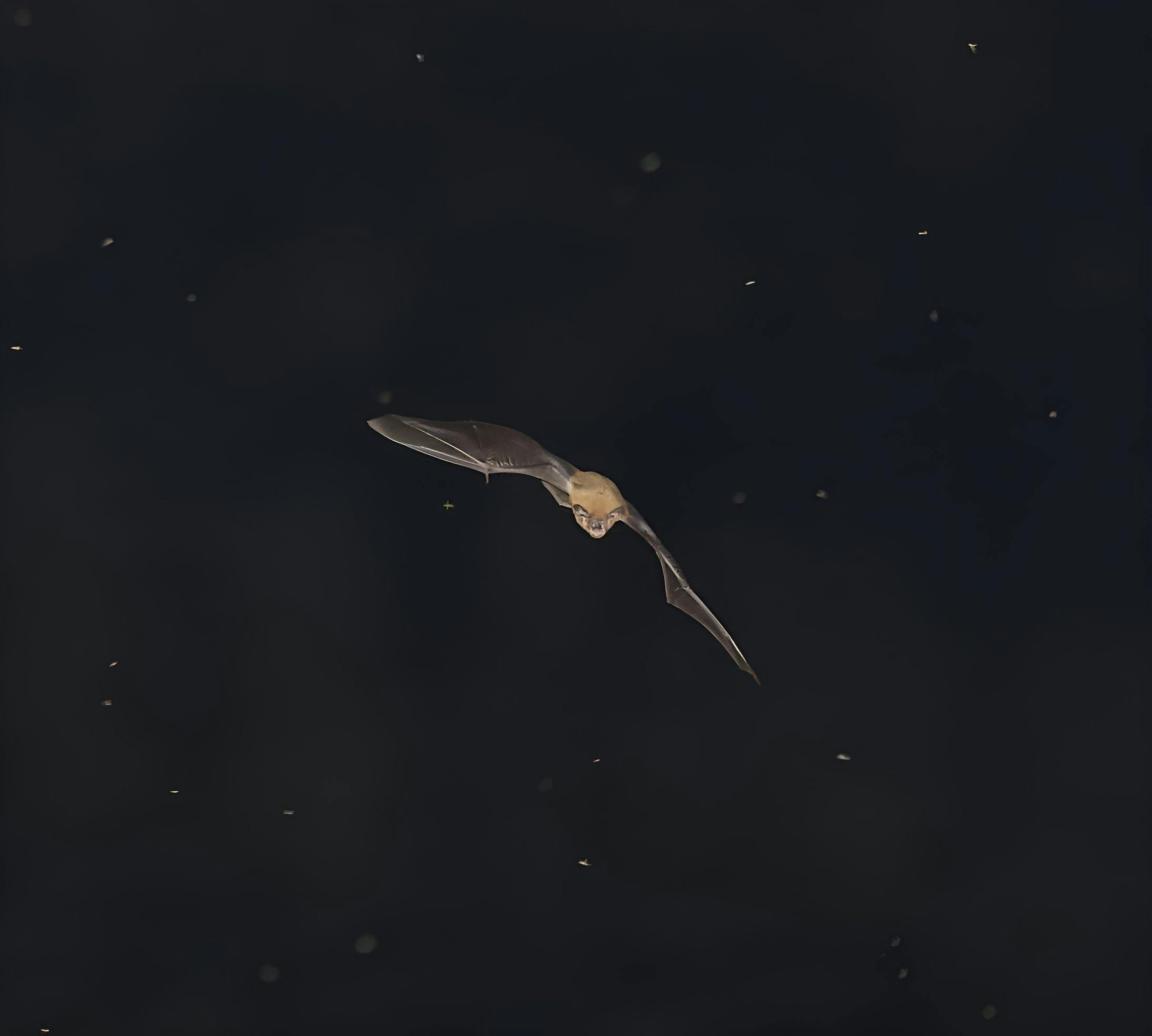
A groundbreaking study has revealed the remarkable predatory behavior of the greater noctule bat (Nyctalus lasiopterus), demonstrating that these bats not only feed on insects but also actively hunt nocturnally migrating passerines—small songbirds that travel at night. This insight connects the artistic world of 16th-century painter Pieter Brueghel, who depicted these bats in his works, to modern ecological research, shedding light on the complexities of food webs and the ecological roles of nocturnal species.
Why this matters
The discovery that greater noctule bats prey on migrating birds raises critical questions about the interactions between predators and their prey in changing environments. As more species face threats from habitat destruction, climate change, and pollution, understanding these relationships becomes increasingly vital for biodiversity conservation. The greater noctule bat's hunting habits highlight the need for effective management strategies that consider both avian migrant populations and their predators, ensuring that ecosystems remain balanced and diverse.
What is happening
In a detailed study published in the *Proceedings of the National Academy of Sciences*, researchers provided the first direct evidence of the greater noctule bat's diet expansion to include migrating songbirds. This bats’ feeding behavior was observed in a natural setting, marking a significant contribution to our understanding of their ecological niche. The findings not only confirm what Brueghel illustrated centuries ago but also provide a fresh perspective on the biodiversity of bat diets and their implications for ecosystem health.
Field observations included the analysis of bat feeding habits during the migration season, from which researchers documented instances of these bats capturing birds mid-flight. This behavior emphasizes the adaptability of the species to exploit available food resources, a trait that could have implications for their survival as their habitats evolve due to human activities. The study points to a delicate interplay between different species that may alter as environmental pressures mount.
What readers can take away
- Understand the ecological role of predators like greater noctule bats in maintaining the balance of their ecosystems.
- Recognize the impact of environmental changes on animal behavior and food sources, highlighting the need for conservation efforts.
- Appreciate the historical context of wildlife observation in art, which can provide insight into current ecological understanding.
- Support wildlife conservation initiatives that protect habitats critical for both predator and prey species.
- Stay informed about local bird migration patterns and consider how these may interact with other species in your area.
FAQ
What is the significance of the greater noctule bat's diet?
The greater noctule bat's diet includes nocturnal migrants, which indicates that these bats have adapted to exploit new food sources, showcasing their flexibility and highlighting their role in the food web.
Why is understanding predator-prey relationships important?
Understanding these relationships helps in comprehending ecosystem dynamics, which is essential for effective conservation strategies and biodiversity preservation, especially in changing environments.
How does this research connect to climate change?
As species face habitat loss and changes in food availability due to climate change, examining their diets and behaviors can inform conservation strategies that aim to protect both migratory birds and their predators.
Original source: read more here.
- 𝕏 Twitter: @0_Simone_0
- 🎥 YouTube: Audiobook Free – Author Ciro Irmici
- 📸 Instagram: @spartaco_94_
- 💻 Tech Trends: techtrendspins.blogspot.com
- 💪 Fitness Home Journal: fitnesshomejournal.blogspot.com
- 🐾 Pet Care Inspo: petcareinspo.blogspot.com
- 🌍 Nomad Vibes Board: nomadvibesboard.blogspot.com
- 💰 Crypto Radar Board: cryptoradarboard.blogspot.com
- 🌱 Green Planet Pins: greenplanetpins.blogspot.com
- 🥗 Healthy Eats Board: healthyeatsboard.blogspot.com
Enjoyed this post? Share it or explore more across my blogs and channels.