 GreenPlanet News

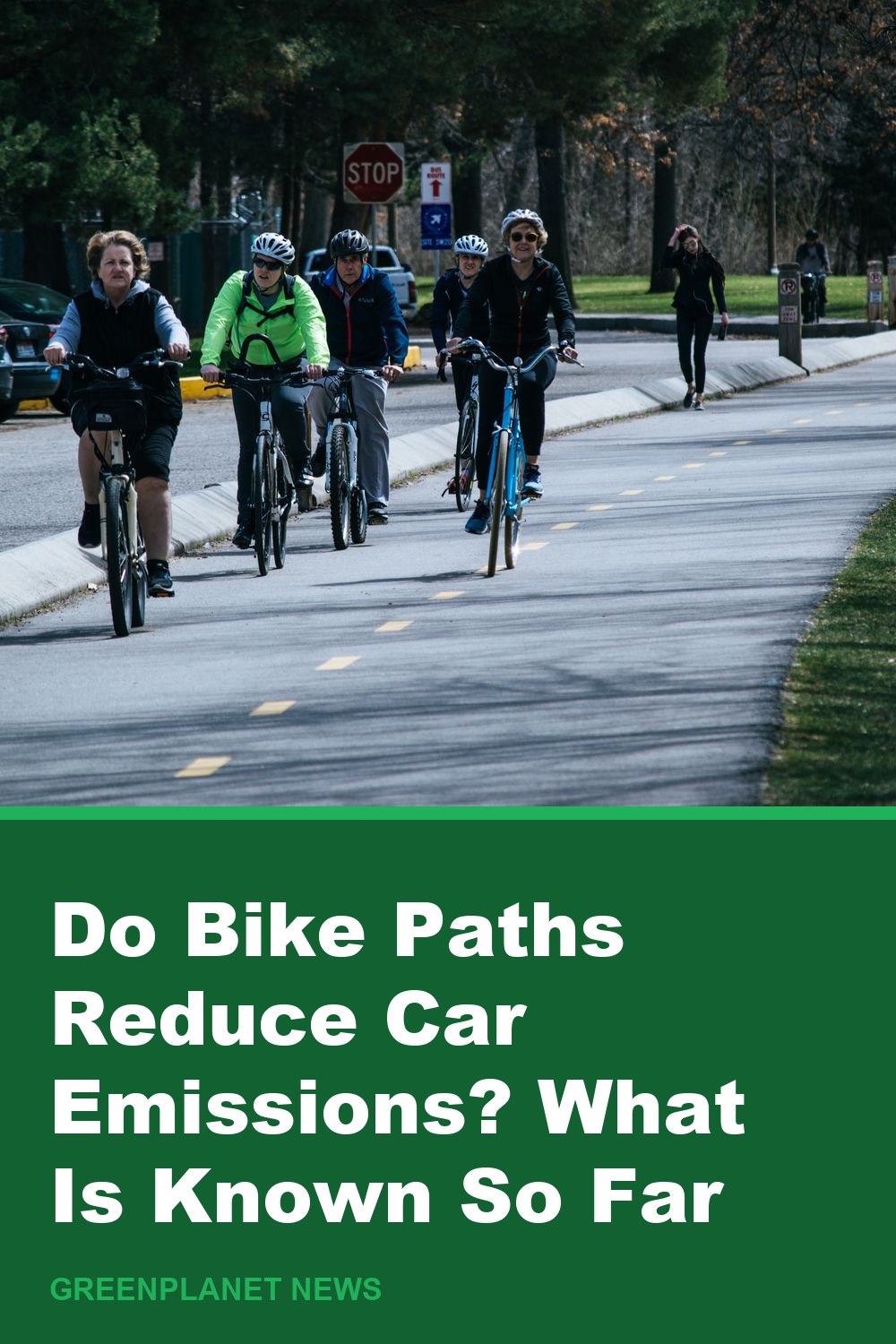

- A bike path cuts car emissions only when people ride it instead of driving, so ridership is what turns concrete into cleaner air.
- Coverage of the Bronzeville Trail gives no emissions figure and no completion date, so treat its climate benefit as expected, not proven.
- Count your own car trips short enough to bike and check whether a path links to your route; that is where your savings come from.
Yes, bike paths can reduce car emissions, but only indirectly: the path itself removes nothing from the road. Better bike infrastructure is known to lead to more riding, and more riding contributes to lower vehicle emissions, better air quality and less reliance on fossil fuels. The effect depends on people choosing the bike over the car. That matters now because construction has begun on the Bronzeville Trail, which will be the first elevated bike path on Chicago's South Side. It is a handy real-life example of how these projects start and what they do and do not promise.
The claim: build a bike path and car emissions fall
You hear it in almost every local debate about new trails. A path goes in, cars come off the road, the air gets cleaner. It sounds neat, but it skips a step, and the step is you, your neighbours and what you decide to do on a Tuesday morning.
A path with no riders cuts nothing. A path that people use for errands, commutes and trips to local shops can replace car journeys. That is the whole mechanism, and it is worth keeping in mind whenever someone quotes a big climate number for a new project.
What is true: more riding means fewer car miles and cleaner air
Several parts of the claim hold up.
- Infrastructure leads to ridership. Enhanced bike infrastructure is known to lead to increased ridership. That is the link between concrete and emissions.
- Ridership lowers vehicle emissions. Each trip made by bike or on foot instead of by car is a trip that does not burn fuel. Over time that adds up to lower vehicle emissions, improved air quality and less reliance on fossil fuels.
- Dedicated space matters. The Bronzeville Trail is meant to give cyclists and pedestrians a space of their own, with better access to local resources and amenities. Many people will only ride when they are separated from traffic.
- Connections matter. The trail is planned to link to larger regional trails. A path that joins a wider network is more useful for real journeys than one that stops after a few blocks.
- There are side benefits. Elevated paths like this one are described as a way to ease congestion while encouraging more physical activity among residents.
What is not: automatic savings, firm numbers or a finish date
Here is where the claim runs ahead of the evidence.
- Emissions do not fall on opening day. They fall when car trips are replaced. Until people ride, the path is just a promise.
- No figure has been published for this trail. Coverage of the Bronzeville Trail says it is expected to contribute to lower vehicle emissions in the area, but gives no tonnage and no percentage. Treat the benefit as expected, not measured.
- There is no completion date yet. Specific timelines have not been released. The start of soil testing shows the project is moving through planned stages, but it does not say when the trail will open.
- The soil tests are not an emissions measure. They check the ground for the safety and sustainability of the construction work. They tell you nothing about how many cars the trail will replace.
- One trail is not a whole network. The project could inspire similar initiatives in other neighbourhoods, but that is a hope, not a result.
How the Bronzeville Trail shows a project taking shape
The first visible step was modest. Local county workers began the initial phase by carrying out environmental soil tests. That is typical of how big infrastructure begins: ground checks and paperwork well before a ribbon-cutting.
People are also part of the story. The Bronzeville Trail Task Force, made up of local advocates and community leaders, has been rallying support for the trail. State Representative Kimberly du Buclet joined task force members to mark the start of work. The project is described as a joint effort between community members, policymakers and urban planners, aiming to fit smoothly into the existing urban fabric of the South Side.
If you want your own area to get something similar, that is the pattern to copy: local voices organised early, officials on board, and a route that links to what already exists.
What it changes at home: turning a nearby path into real savings
You do not need a brand-new trail to use this idea. The saving comes from replacing car trips, and every trip you replace saves fuel and parking and cuts the emissions from that journey. Here is a practical way to go about it.
- List your short trips. For one week, note every car journey to the shops, school, a station or a friend's house. Mark the ones short enough to ride or walk.
- Pick one swap. Choose a single regular trip and do it by bike for a month. One steady swap beats a vague plan to cycle more.
- Look at the route, not just the distance. Many people ride only when they feel separated from traffic. A dedicated path, or a route that links to one, makes the swap far easier to keep up.
- Get the basics for safe riding. Lights, a solid lock and a bag or rack for carrying things remove the usual excuses.
- Keep your own tally. Write down how many car trips you replaced and what you spent on fuel and parking before and after. Your own numbers are more convincing than anyone's headline.
If fuel prices are what push you towards this, our post on how to shield your own bills from the oil shock covers the wider money side.
Questions to ask about a bike project near you
When a new path is announced where you live, a few plain questions tell you whether it is likely to change how people travel.
- Is the space dedicated to cyclists and pedestrians, or shared with traffic?
- Does it connect to larger regional trails, or does it stand alone?
- Does it reach useful places such as shops, services and work?
- Is there a published timeline, or only a start date?
- Is there an active local group, like the Bronzeville Trail Task Force, keeping the project on track?
- Are any emissions or ridership targets stated, and will anyone report on them later?
If most answers are yes, the path has a good chance of attracting riders. If most are no, be cautious about the climate claims.
Cleaner air is the second payoff
Fewer car trips also mean cleaner air on your street, which is a benefit you can feel as well as measure. We have written about how clean air policies in London have been linked to better lung growth and thinking skills in children. It shows why the air quality side of cycling policy deserves attention alongside the carbon side.
The short answer for your household
Bike paths reduce car emissions when they are used, and they get used when they are separated from traffic, connected to a wider network and lead somewhere people want to go. The Bronzeville Trail has the first two features on paper and is only at the soil-testing stage. Its benefit is a reasonable expectation, not a result. In the meantime, the surest way to cut your own car emissions is to swap one regular short trip and keep a note of what you save.
As an Amazon Associate I earn from qualifying purchases: if you buy through these links I may earn a small commission, at no extra cost to you. Each link opens a search on the Amazon store for your country.
Photo: Brett Sayles / Pexels

I'm an Italian creator who builds apps, games and websites. I run GreenPlanet News with the help of AI tools: every article starts from the sources linked above, and I check what goes out. I'm not a doctor, a lawyer or a financial adviser. Spotted a mistake or have an idea? Write to me.
Instagram @spartaco_94_My websiteWrite to meAbout this blog










 Green Investing 101: A Beginner's Guide to Sustainable Investments





