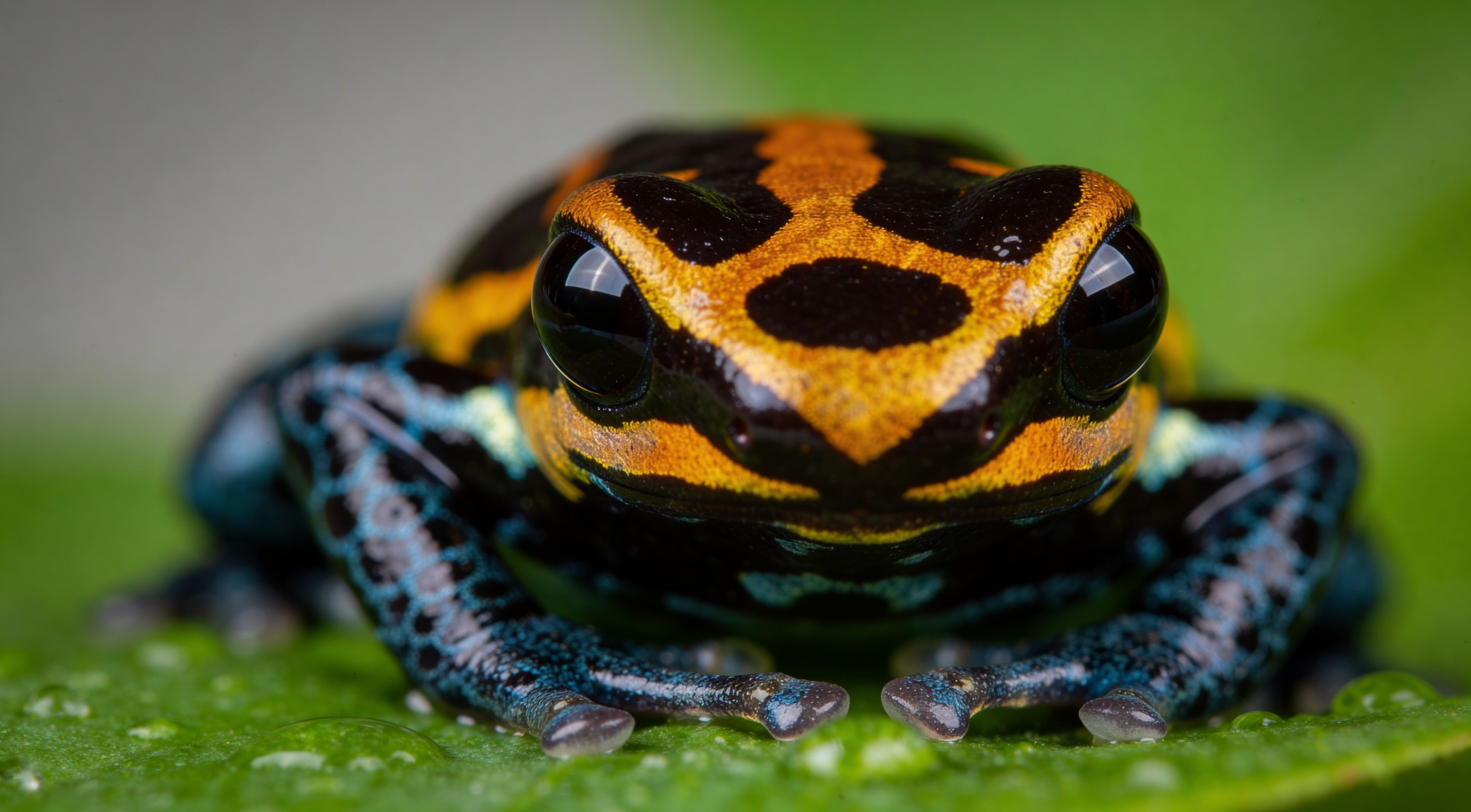
Newly Discovered Poison Dart Frog Species by SIU Carbondale Researchers
Quick read below — save or share if useful.
Researchers at Southern Illinois University Carbondale have made a significant contribution to biodiversity by identifying three new species of poison dart frogs. This discovery is not just an academic achievement; it also highlights the crucial role that biodiversity plays in maintaining healthy ecosystems and underscores the importance of conservation efforts in a rapidly changing world.
Why this matters
The emergence of new species, particularly within vulnerable habitats, signals changes in the ecosystem that can have far-reaching consequences. Poison dart frogs are known for their vibrant colors and toxic properties, which have fascinated scientists and nature enthusiasts alike. They play an essential role in their environments, particularly as bioindicators of ecological health. Their presence indicates a stable ecosystem, while their decline can suggest environmental degradation. Therefore, the study of these newly discovered species can provide insights into habitat conditions and broader environmental trends.
What is happening
The research team from SIU Carbondale focused on the tropical rainforests of Central America, a region that is increasingly threatened by deforestation, climate change, and habitat degradation. The newly identified species were found through meticulous fieldwork and genetic analysis, confirming that these frogs represent distinct evolutionary lineages. The researchers emphasized that understanding the diversity of these amphibians is vital, as many species face extinction due to human activities.
These three new species were characterized based on their unique morphological traits and DNA sequences. This method not only sheds light on the biological diversity within the poison dart frog family but also raises awareness about the urgent need to protect their habitats. As climate patterns shift and ecosystems evolve, identifying and categorizing such species becomes a key component of conservation biology.
What readers can take away
- Traditional field studies and genetic analysis are essential in uncovering hidden biodiversity.
- The protection of habitats is critical for the survival of endangered species and overall ecological health.
- Engaging in conservation efforts can help mitigate the loss of biodiversity and preserve ecosystems.
- Poison dart frogs serve as a reminder of the intricate balance of our ecosystems and the potential consequences when that balance is disrupted.
- Awareness and education about newly discovered species can foster a greater appreciation for the natural world and inspire action for conservation.
FAQ
What are poison dart frogs known for?
Poison dart frogs are known for their bright colors and potent toxins, which they derive from their diet in the wild, primarily consisting of ants and other small invertebrates.
Why is biodiversity important?
Biodiversity is crucial for the stability and resilience of ecosystems. It ensures that various organisms can adapt to changes and provides ecosystem services, such as clean water, pollination, and carbon storage.
How can individuals help with conservation efforts?
Individuals can support conservation through various means such as sustainable living practices, volunteering for local conservation projects, supporting eco-friendly businesses, and spreading awareness about the importance of biodiversity.
Original source: read more here.
- 𝕏 Twitter: @0_Simone_0
- 🎥 YouTube: Audiobook Free – Author Ciro Irmici
- 📸 Instagram: @spartaco_94_
- 💻 Tech Trends: techtrendspins.blogspot.com
- 💪 Fitness Home Journal: fitnesshomejournal.blogspot.com
- 🐾 Pet Care Inspo: petcareinspo.blogspot.com
- 🌍 Nomad Vibes Board: nomadvibesboard.blogspot.com
- 💰 Crypto Radar Board: cryptoradarboard.blogspot.com
- 🌱 Green Planet Pins: greenplanetpins.blogspot.com
- 🥗 Healthy Eats Board: healthyeatsboard.blogspot.com
Enjoyed this post? Share it or explore more across my blogs and channels.