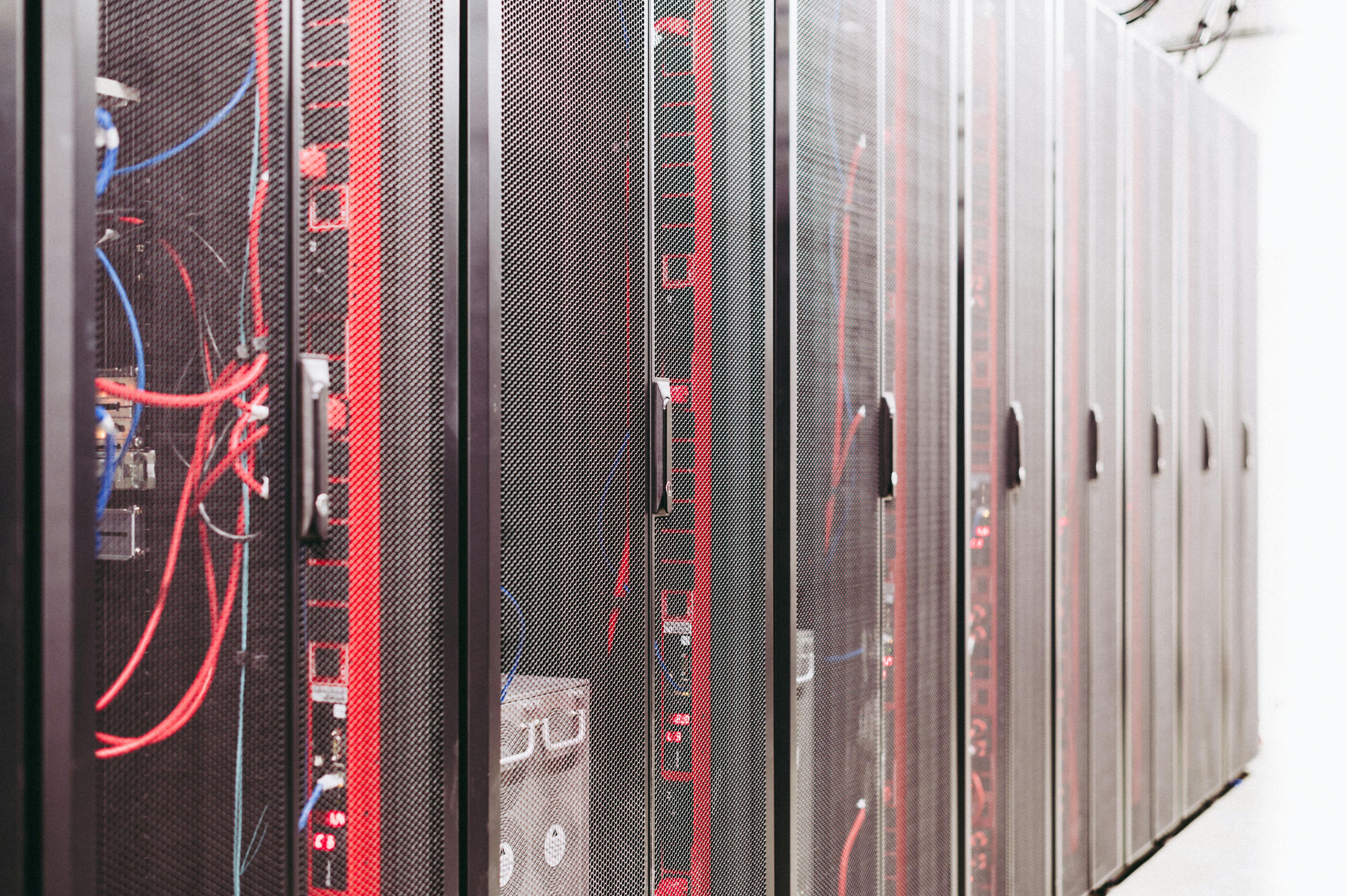
How Data Centers Can Benefit Local Communities Through Energy Solutions
Quick read below — save or share if useful.
Data centers, often viewed as mere consumers of energy, have the potential to transform into community assets. When designed and constructed with sustainability in mind, data centers can contribute to local energy production and effectively manage waste, benefiting both the environment and the communities they inhabit. This forward-thinking approach is crucial as concerns rise over the increasing electricity demand and utility costs associated with these facilities.
Why this matters
As the digital world expands, the role of data centers becomes ever more critical. They house the servers and systems that power our online lives, but they also pose significant challenges, particularly regarding energy consumption and environmental impact. Communities are rightfully worried about the potential strain on local resources, but innovative engineering solutions can mitigate these challenges. Creating sustainable data centers can not only alleviate concerns about energy demands but can also pave the way for cleaner, more resilient communities.
What is happening
Recent research from the University of Colorado Boulder highlights how data centers can evolve from energy guzzlers to providers of renewable power. By integrating technologies that harness renewable resources, such as solar panels or wind turbines, data centers can generate electricity that can be fed back into local grids. Furthermore, the heat produced by these facilities, often seen as a waste product, can be repurposed for heating local buildings or even greenhouses, thereby enhancing community infrastructure.
Innovative designs that focus on energy efficiency and waste heat recovery not only address environmental concerns but can also lead to reduced operational costs for data center operators. This dual benefit presents a compelling case for the integration of data centers into local energy strategies, ensuring that they play a proactive role in promoting sustainability.
What readers can take away
- Data centers can be designed to produce renewable energy, mitigating worries about increased electricity demand.
- Community heat recovery systems, fueled by data center waste, can improve local heating solutions and reduce emissions.
- Investments in sustainable infrastructure can make data centers integral to community resilience, supporting local economies.
- Policymakers should advocate for practices that allow data centers to contribute positively to their neighborhoods rather than being seen solely as burdens.
- Consumers can support businesses that prioritize sustainable practices in their tech operations, promoting a greener future.
FAQ
How can data centers generate renewable energy?
Data centers can incorporate renewable energy technologies such as solar panels or wind turbines to produce their own electricity, thus reducing their reliance on non-renewable energy sources.
What is waste heat, and how can it be repurposed?
Waste heat is the excess thermal energy produced during data center operations. This heat can be captured and utilized for heating nearby buildings or used in industrial processes, effectively eliminating waste and enhancing local energy efficiency.
Why should communities care about sustainable data centers?
Sustainable data centers can help communities lower their energy costs and reduce their carbon footprints while supporting local economies through job creation and infrastructure improvements.
Original source: read more here.
- 𝕏 Twitter: @0_Simone_0
- 🎥 YouTube: Audiobook Free – Author Ciro Irmici
- 📸 Instagram: @spartaco_94_
- 💻 Tech Trends: techtrendspins.blogspot.com
- 💪 Fitness Home Journal: fitnesshomejournal.blogspot.com
- 🐾 Pet Care Inspo: petcareinspo.blogspot.com
- 🌍 Nomad Vibes Board: nomadvibesboard.blogspot.com
- 💰 Crypto Radar Board: cryptoradarboard.blogspot.com
- 🌱 Green Planet Pins: greenplanetpins.blogspot.com
- 🥗 Healthy Eats Board: healthyeatsboard.blogspot.com
Enjoyed this post? Share it or explore more across my blogs and channels.