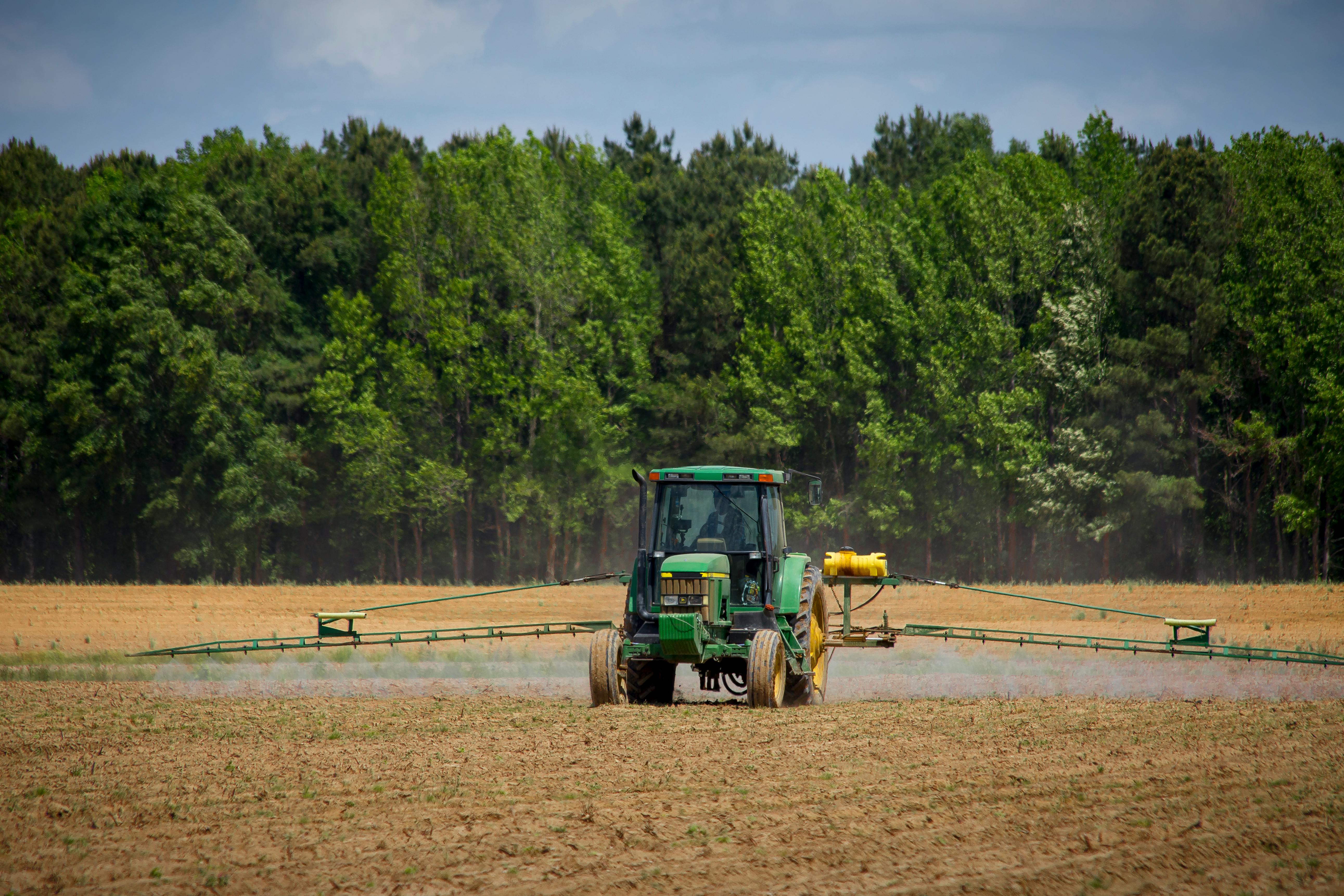
Pesticide Exposure Linked to Increased Cancer Risk: Key Study Insights
Quick read below — save or share if useful.
A groundbreaking study has revealed alarming findings: individuals residing in areas with high pesticide usage may face an increased risk of cancer, with the potential for this risk to climb by a staggering 150%. This research highlights a pressing health concern as communities grapple with the impacts of agricultural practices and chemical exposure, underscoring the urgent need for reevaluation of pesticide regulations and public health strategies.
Why this matters
The implications of this study extend far beyond individual health concerns, touching on broader themes of environmental sustainability and public welfare. Pesticides are routinely employed in agricultural practices to combat pests and increase crop yields, but these chemicals often find their way into local ecosystems, affecting both human health and biodiversity. As the conversation around sustainable farming intensifies, this study prompts a critical reassessment of pesticide use and its long-term implications for both people and the planet.
What is happening
According to a recent study published in Nature Health, researchers have mapped the complex relationship between pesticide mixtures and cancer risk across different countries, providing alarming evidence that areas with high pesticide exposure correlate with significantly increased cancer rates. The study leverages innovative tools in spatial exposomics to analyze the potential health ramifications of pesticide use. Researchers emphasized that even low-level exposure in residential areas significantly amplified health risks, suggesting that current regulations may not adequately protect communities from harm.
The research team, led by Honles and colleagues, utilized sophisticated data mapping techniques to examine patterns of pesticide application and corresponding cancer incidence. Their findings could reshape discussions around agricultural practices, public policy on pesticide regulations, and community health initiatives, advocating for stricter controls and safer alternatives in pesticide use.
What readers can take away
- Engage with local policies: Stay informed about local agricultural practices and advocate for sustainable farming methods that minimize pesticide use.
- Support organic farming: Purchasing organic produce can encourage farmers to adopt more sustainable practices that don't rely on harmful pesticides.
- Educate yourself and others: Share information about the risks associated with pesticide exposure and promote awareness within your community.
- Consider personal choices: Evaluate your own use of pesticides in gardening or landscaping and explore eco-friendly alternatives.
- Participate in community health assessments: Encourage local health departments to conduct studies on pesticide exposure and its impacts on community health.
FAQ
What are pesticides, and why are they used?
Pesticides are chemicals designed to kill or repel pests that threaten agricultural productivity. Despite their benefits for crop yields, they can pose risks to human health and the environment if not managed properly.
How can I minimize exposure to pesticides?
To minimize exposure, consider consuming organic foods, washing fruits and vegetables thoroughly, and being cautious with the use of pesticides in personal gardening.
What actions can be taken to reduce pesticide use in agriculture?
Encouraging practices such as integrated pest management, crop rotation, and the use of natural pest predators can significantly reduce the dependency on chemical pesticides in agriculture.
Original source: read more here.
- 𝕏 Twitter: @0_Simone_0
- 🎥 YouTube: Audiobook Free – Author Ciro Irmici
- 📸 Instagram: @spartaco_94_
- 💻 Tech Trends: techtrendspins.blogspot.com
- 💪 Fitness Home Journal: fitnesshomejournal.blogspot.com
- 🐾 Pet Care Inspo: petcareinspo.blogspot.com
- 🌍 Nomad Vibes Board: nomadvibesboard.blogspot.com
- 💰 Crypto Radar Board: cryptoradarboard.blogspot.com
- 🌱 Green Planet Pins: greenplanetpins.blogspot.com
- 🥗 Healthy Eats Board: healthyeatsboard.blogspot.com
Enjoyed this post? Share it or explore more across my blogs and channels.