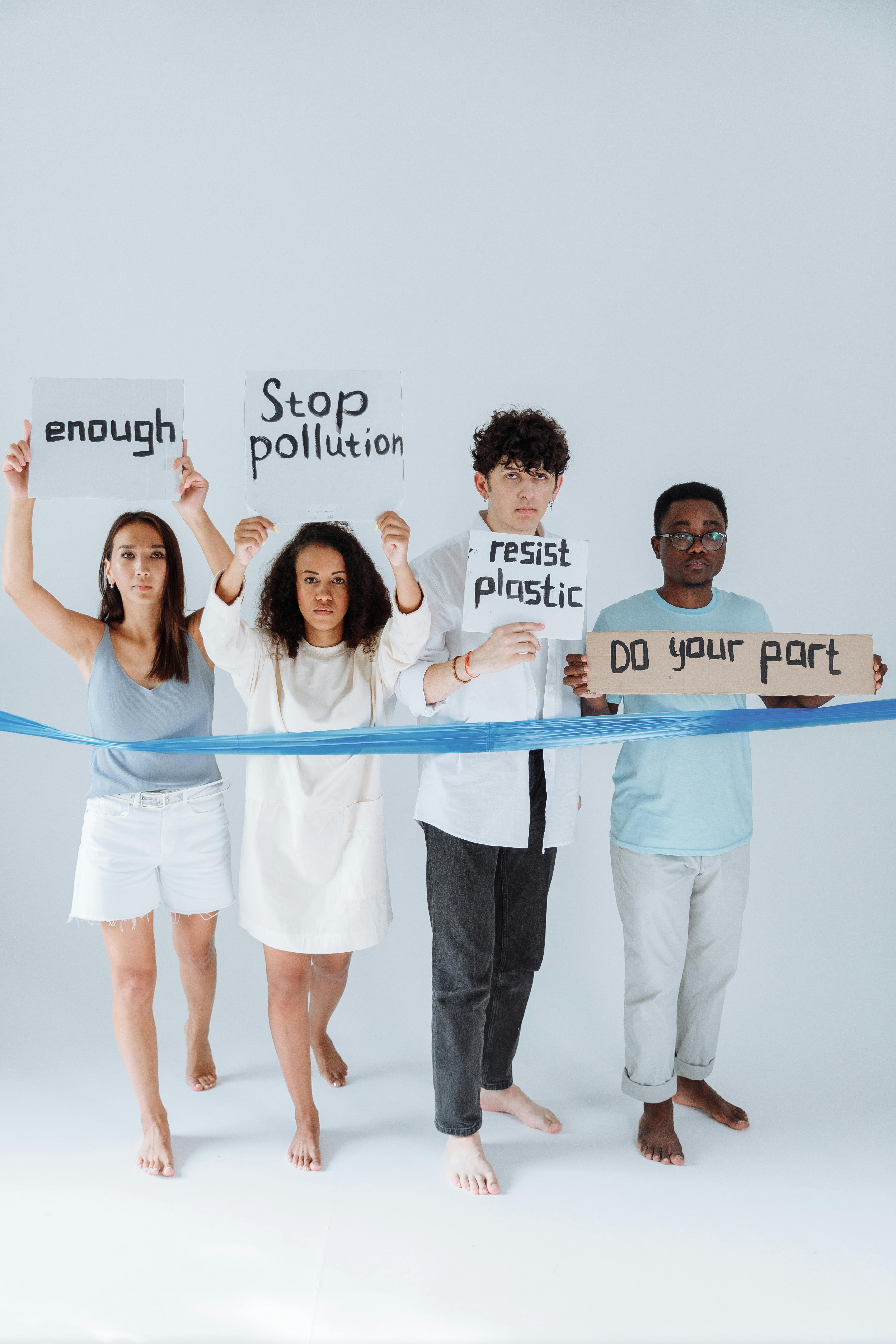
"Addressing the Needs of Environmental Justice Communities in Climate Lawsuits"
Quick read below — save or share if useful.
Environmental justice communities in the United States are underrepresented in climate litigation, which significantly contributes to the ongoing environmental and health disparities they face. For many in these communities, the impacts of pollution from government projects and industrial development are not just statistics; they are daily realities that compromise health, safety, and quality of life. As legal advocacy overwhelmingly focuses on broader environmental concerns without adequately addressing the specific needs of these marginalized populations, their voices risk being sidelined in the very debates that shape their futures.
Why this matters
The significance of environmental justice becomes glaringly evident when we consider the relationship between race, poverty, and exposure to environmental hazards. Communities that historically lack power—often minority and low-income groups—frequently bear the brunt of pollution and ecological degradation. Without representation in climate lawsuits, these populations may remain without the resources or political leverage necessary to challenge industrial practices that disproportionately affect them. Addressing these disparities is not only a matter of fairness but also crucial for achieving meaningful progress in sustainability and protecting vulnerable ecosystems. Inclusive legal representation can advance climate justice and lead to comprehensive solutions that benefit all members of society.
What is happening
According to recent discussions, many environmental advocacy organizations have focused their litigation efforts on more affluent or politically connected communities, leaving environmental justice communities without the legal support they need. This trend exacerbates existing inequities, as wealthier neighborhoods secure better legal representation and potentially benefit from policy changes that overlook those who suffer the most from environmental harm. The recent calls to action emphasize the need for a more intersectional approach to environmental law that includes diverse voices, especially from communities directly affected by climate change and industrial pollution.
The lack of representation in these important legal proceedings highlights a broader systemic issue within environmental advocacy, which may fail to consider the multitude of factors affecting marginalized communities. As a result, the vital intersection of race, poverty, and environmental harm often remains unaddressed, leaving significant portions of the population vulnerable to continued degradation of their environments and health.
What readers can take away
- Understand the importance of supporting environmental justice communities through active advocacy and policy-making.
- Recognize the role of climate litigation in shaping environmental outcomes, particularly for marginalized populations.
- Engage with local organizations that prioritize environmental justice to help amplify the voices of those directly affected.
- Educate yourself and others about the specific challenges faced by underrepresented communities regarding pollution and climate change.
- Advocate for inclusive legal reforms that take into account the needs and rights of all communities, particularly the most vulnerable.
FAQ
What is environmental justice?
Environmental justice is the movement aimed at ensuring that all individuals, regardless of race, income, or social status, have equal access to a healthy environment and are protected from environmental harm. It emphasizes fair treatment and meaningful involvement of all people in environmental decision-making.
Why are environmental justice communities often excluded from climate suits?
Exclusion often stems from a combination of factors, including lack of resources, limited access to legal representation, and a failure of environmental organizations to engage with these communities on their specific issues and needs.
How can individuals support environmental justice initiatives?
Individuals can support these initiatives by volunteering with local organizations, advocating for policy changes, donating to relevant causes, and raising awareness about environmental justice issues within their communities.
Original source: read more here.
- 𝕏 Twitter: @0_Simone_0
- 🎥 YouTube: Audiobook Free – Author Ciro Irmici
- 📸 Instagram: @spartaco_94_
- 💻 Tech Trends: techtrendspins.blogspot.com
- 💪 Fitness Home Journal: fitnesshomejournal.blogspot.com
- 🐾 Pet Care Inspo: petcareinspo.blogspot.com
- 🌍 Nomad Vibes Board: nomadvibesboard.blogspot.com
- 💰 Crypto Radar Board: cryptoradarboard.blogspot.com
- 🌱 Green Planet Pins: greenplanetpins.blogspot.com
- 🥗 Healthy Eats Board: healthyeatsboard.blogspot.com
Enjoyed this post? Share it or explore more across my blogs and channels.