 GreenPlanet News

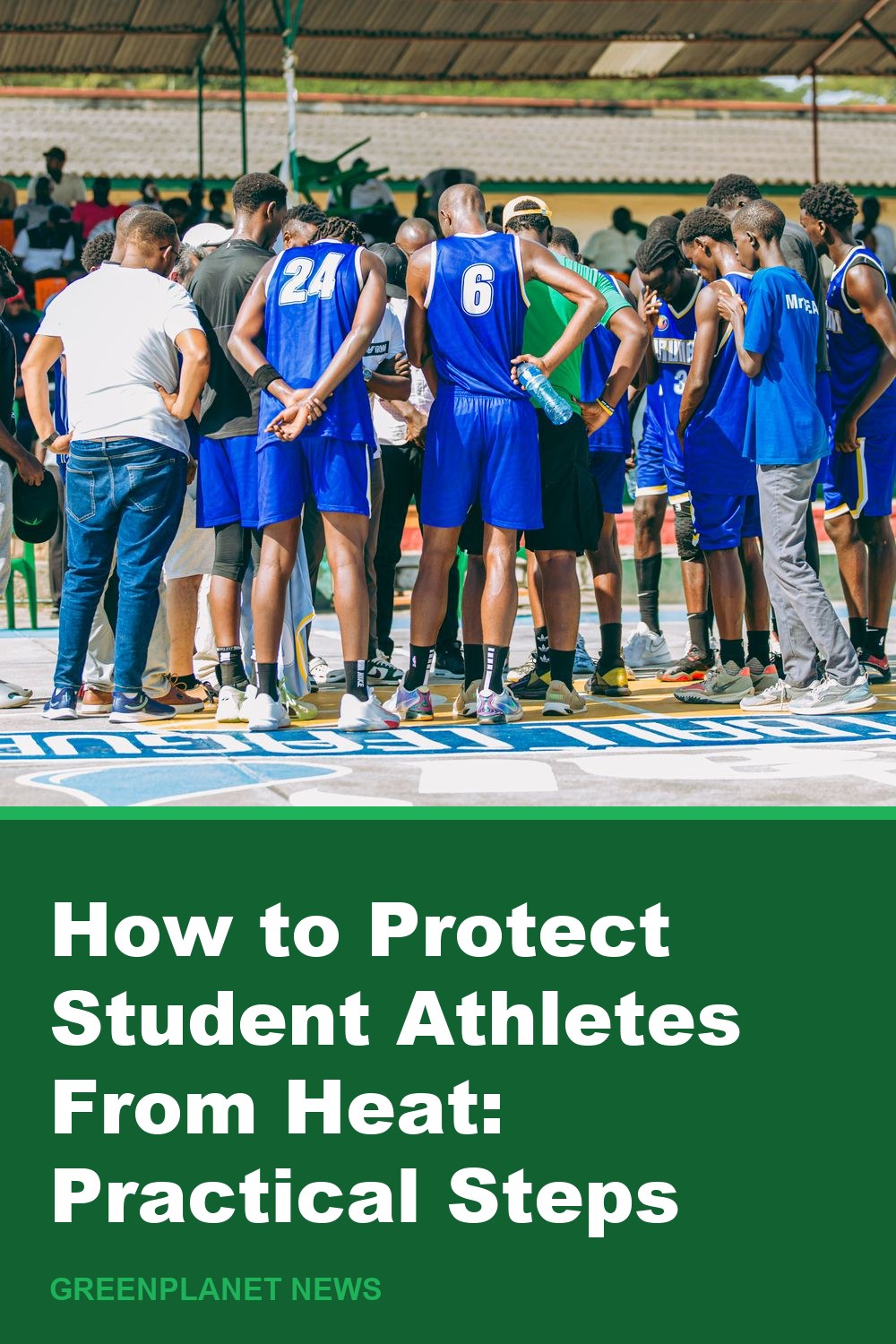

- Over 9,000 high school athletes are treated each year for heat-related illness, so a heat plan belongs in every practice schedule.
- The three changes schools are making are practice times that avoid the hottest hours, more hydration breaks, and cooling periods for recovery.
- Confusion, dizziness or a headache in a hot practice is a reason to stop the session, not push through, because it can signal heat exhaustion or heat stroke.
To protect student athletes from heat, move practice away from the hottest part of the day, build in regular hydration breaks, give players a shaded place to cool down and recover, and make sure every adult on the field can spot the warning signs. None of this needs expensive equipment. It matters now because more than 9,000 high school athletes are treated every year for heat-related illness, and record temperatures are pushing states and school districts to rewrite their heat rules.
Why a heat plan belongs in every practice schedule
Young athletes are outdoors during peak sun hours, often in full kit, working hard. The strain of high temperatures can lead to heat exhaustion or heat stroke. Heat stroke is the more serious of the two.
Schools and states are responding. Some have introduced comprehensive heat policies that dictate how outdoor activities are run in particularly hot weather. Recent guideline updates share three ideas: adjust practice times to avoid the hottest hours, add hydration breaks, and set up cooling periods where athletes can recover. You can use the same three ideas whether you coach a school team, a club side or just drive carpool.
What you need before the first hot practice
- Drinking water within easy reach of the field, enough for the whole squad.
- A shaded spot, such as trees, a building's shadow or a pop-up canopy, where players can sit and recover.
- A practice schedule you can change at short notice, plus a way to tell families quickly.
- A copy of your state or district heat rules, if they exist.
- A short written list of heat illness symptoms, kept in the coach's bag.
- A phone with a signal and the school's emergency contact details.
Most of this is free or costs very little. If you have to buy something, put money into water containers and shade first.
Step by step: from schedule to recovery
- Find out what your local rules say. Many states are adopting regulations that require schools to have health and safety protocols for hot-weather practice, often shaped by national guidelines and recommendations from health organizations. Ask the athletic director or district office for the written policy, and read it before the season starts.
- Move practice out of the hottest hours. On hot days, shift sessions earlier or later. Even a modest move helps, because it takes the hardest effort out of peak sun. Agree the switch in advance so nobody argues on the day.
- Schedule hydration breaks, don't wait for requests. Put water stops into the plan and make them non-negotiable. Players who are focused on the game or worried about looking soft will not always ask.
- Build in cooling periods. Give athletes a set time in the shade to recover from heat exposure. Treat it as part of training, not a punishment or a reward.
- Check the facilities. Walk the field and note where the shade is, where the water is, and where it is missing. Fix the gaps before the first hot week, not during it.
- Talk about hydration and cooling at home. Parents can have a simple chat with their young athletes about drinking water and cooling off in hot weather. The Honest Toolkit water intake calculator gives a rough daily baseline to start from.
- Get coaches and staff trained. Ask the school to invest in training so that coaches and staff can recognise symptoms of heat-related illness. Awareness among coaches, athletes and parents is what turns written rules into safe practice.
Warning signs coaches and parents should watch for
These symptoms can point to heat exhaustion or heat stroke:
- Excessive sweating
- Fatigue
- Headache
- Dizziness
- Confusion
Watch the whole squad, not just the player who complains. Teenagers often hide discomfort. If one player looks off, stop the drill, move them into shade and keep an adult with them.
Common mistakes that put players at risk
- Keeping the usual schedule on a record-hot day. Traditional practice times were set for cooler weather. Be ready to change them.
- Treating water breaks as optional. If drinking depends on the player asking, some will skip it.
- Having no shaded recovery spot. A cooling period only works if there is somewhere cooler to go.
- Dismissing early symptoms. A headache, fatigue or dizziness is a signal, not a sign of weakness.
- Assuming the school has it covered. Policies vary from state to state, so check what applies to your team.
- Leaving training to chance. A coach who has never been taught the symptoms may miss them.
When to get professional help
Confusion is on the list of symptoms that could mean heat stroke, and heat stroke is a severe outcome. If a player is confused, stop all activity at once and get medical help. Do not wait to see whether it passes. Dizziness or other symptoms that do not ease after rest in the shade also call for a medical opinion. Parents can bring concerns to a family doctor, and coaches should follow the school's emergency procedures.
Questions to bring to your school or district
If your community has no clear heat policy, a few well-aimed questions can start a change. Parents and coaches can push for policies that put student health first as temperatures rise.
- Does our state or district have a written heat policy for outdoor practice?
- Are practice times adjusted on very hot days?
- Are hydration breaks and cooling periods required?
- Is there shade and drinking water at every field?
- Have coaches and staff been trained to recognise heat illness?
Local environmental groups can also keep you updated on climate initiatives that affect your area. For more on how outdoor conditions shape children's days, see our post on wildfire smoke and childhood in Montana and our look at clean air policies and children's health in London. If you wonder how shade can change conditions for people working outdoors, our piece on solar panels on farms and cooler temperatures covers a related idea.
A simple routine to print and keep
Before each practice in hot weather: check the forecast, confirm the start time, fill the water, set up the shade, and remind the squad of the symptoms. During practice: stop for water on schedule and send anyone who looks unwell to the shade. After practice: let players cool down and recover before they leave, and ask families to keep an eye on how the athletes feel that evening.
As an Amazon Associate I earn from qualifying purchases: if you buy through these links I may earn a small commission, at no extra cost to you. Each link opens a search on the Amazon store for your country.
Photo: Chris wade NTEZICIMPA / Pexels

I'm an Italian creator who builds apps, games and websites. I run GreenPlanet News with the help of AI tools: every article starts from the sources linked above, and I check what goes out. I'm not a doctor, a lawyer or a financial adviser. Spotted a mistake or have an idea? Write to me.
Instagram @spartaco_94_My websiteWrite to meAbout this blog










 Green Investing 101: A Beginner's Guide to Sustainable Investments





