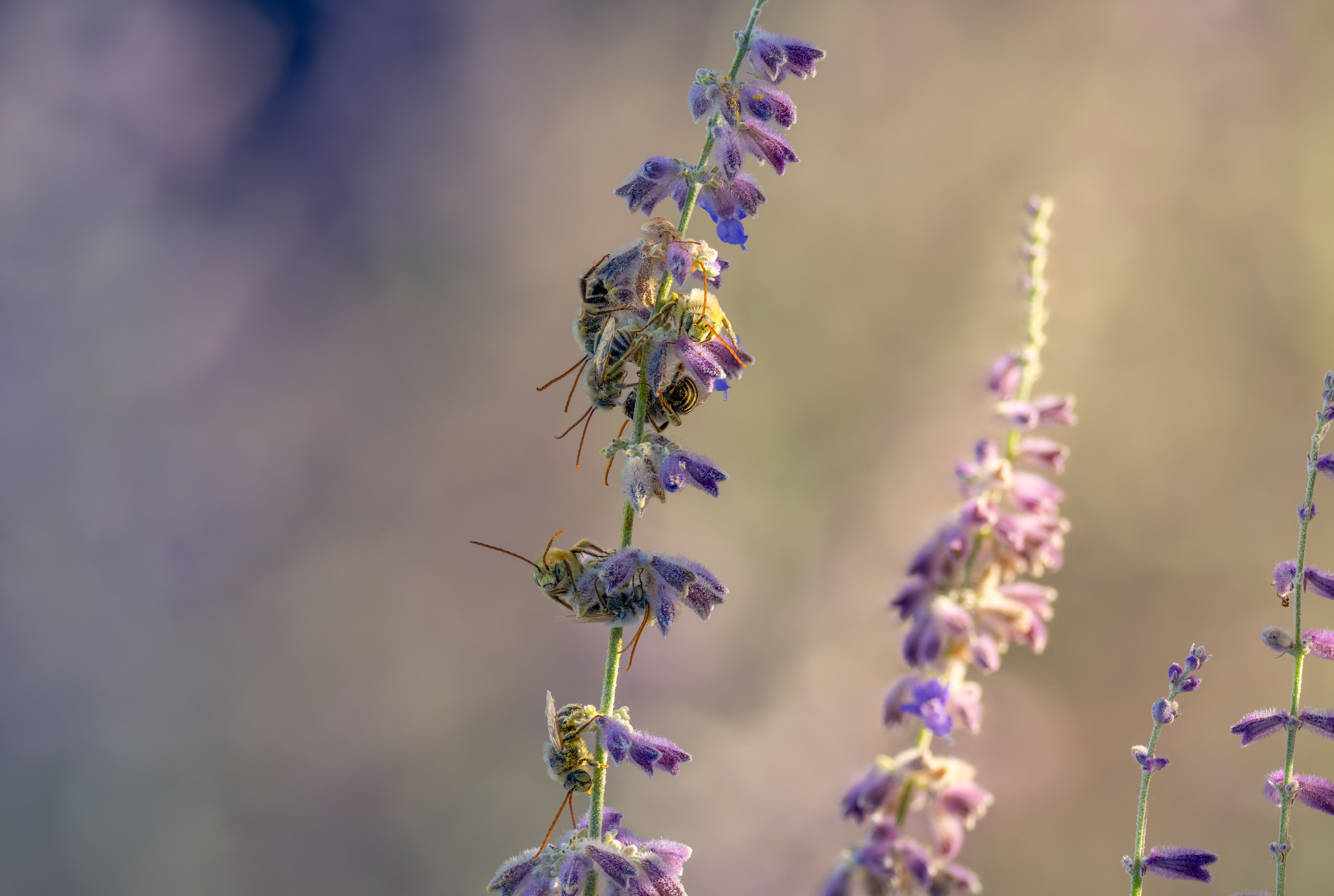
California Hybrid Honey Bees Show Promise Against Colony-Killing Threat
Quick read below — save or share if useful.
A groundbreaking development in Southern California's honeybee population offers hope in the ongoing battle against a devastating parasite known as the Varroa mite. This unique hybrid honeybee has demonstrated promising resistance to the mite that has historically decimated colonies across the United States. As pollinators crucial to our ecosystems and agriculture, these resilient bees could play a pivotal role in safeguarding not only their own species but also the environment at large.
Why this matters
Honeybees are vital for pollinating many of the crops that make up our food supply, directly impacting food security and agricultural sustainability. The decline in bee populations due to factors like pesticides, habitat loss, and parasites poses a significant threat to biodiversity and the economy. The Varroa mite, in particular, has been labeled a killer of colonies, as it attaches itself to bees and feeds on their bodily fluids, ultimately leading to weakened and dying populations. As such, discovering a strain of honeybees that can survive this challenge is crucial for ensuring the stability of ecosystems and food production systems worldwide.
What is happening
Researchers from the University of California Riverside have found that a hybrid honeybee population in Southern California exhibits a remarkable level of resistance to the Varroa mite. This discovery stems from a dedicated study by scientists Chong-Echavez and Baer, who have been exploring the genetic traits of these bees since the emergence of the mite crisis. Their research highlights how this hybrid bee, which blends genetic traits from different subspecies, may possess unique adaptations enabling it to combat the parasitic threat more effectively than standard honeybee populations.
The study showcases how these resilient bees are thriving through natural selection, enabling them to flourish in environments plagued by the Varroa mite. Such resistance could potentially be harnessed for breeding programs aimed at enhancing the vitality of honeybee populations nationwide. By propagating these hardier strains, beekeepers might mitigate the catastrophic losses that have been common in the apiculture industry.
What readers can take away
- Support local beekeeping efforts by purchasing honey and other bee-related products.
- Learn about and advocate for environmentally friendly practices that protect bee habitats.
- Consider planting native flowers and plants that attract and nourish bees.
- Become aware of the pesticides you use in your gardening and opt for organic or natural alternatives.
- Stay informed about ongoing research related to bee health and conservation efforts.
FAQ
What is the Varroa mite?
The Varroa mite is a parasitic arachnid that feeds on honeybees by attaching to them and sucking their bodily fluids. It poses a significant threat to bee health and has been a major cause of colony collapse in North America and around the world.
How do these hybrid honeybees resist the Varroa mite?
The hybrid honeybees found in Southern California may possess genetic traits that provide them with enhanced immune responses against the Varroa mite, allowing them to survive and thrive despite the parasite's presence.
What can I do to help bees in my area?
You can help local bee populations by planting bee-friendly flowers, reducing pesticide usage, supporting local beekeepers, and spreading awareness about the importance of bee conservation.
Original source: read more here.
- 𝕏 Twitter: @0_Simone_0
- 🎥 YouTube: Audiobook Free – Author Ciro Irmici
- 📸 Instagram: @spartaco_94_
- 💻 Tech Trends: techtrendspins.blogspot.com
- 💪 Fitness Home Journal: fitnesshomejournal.blogspot.com
- 🐾 Pet Care Inspo: petcareinspo.blogspot.com
- 🌍 Nomad Vibes Board: nomadvibesboard.blogspot.com
- 💰 Crypto Radar Board: cryptoradarboard.blogspot.com
- 🌱 Green Planet Pins: greenplanetpins.blogspot.com
- 🥗 Healthy Eats Board: healthyeatsboard.blogspot.com
Enjoyed this post? Share it or explore more across my blogs and channels.