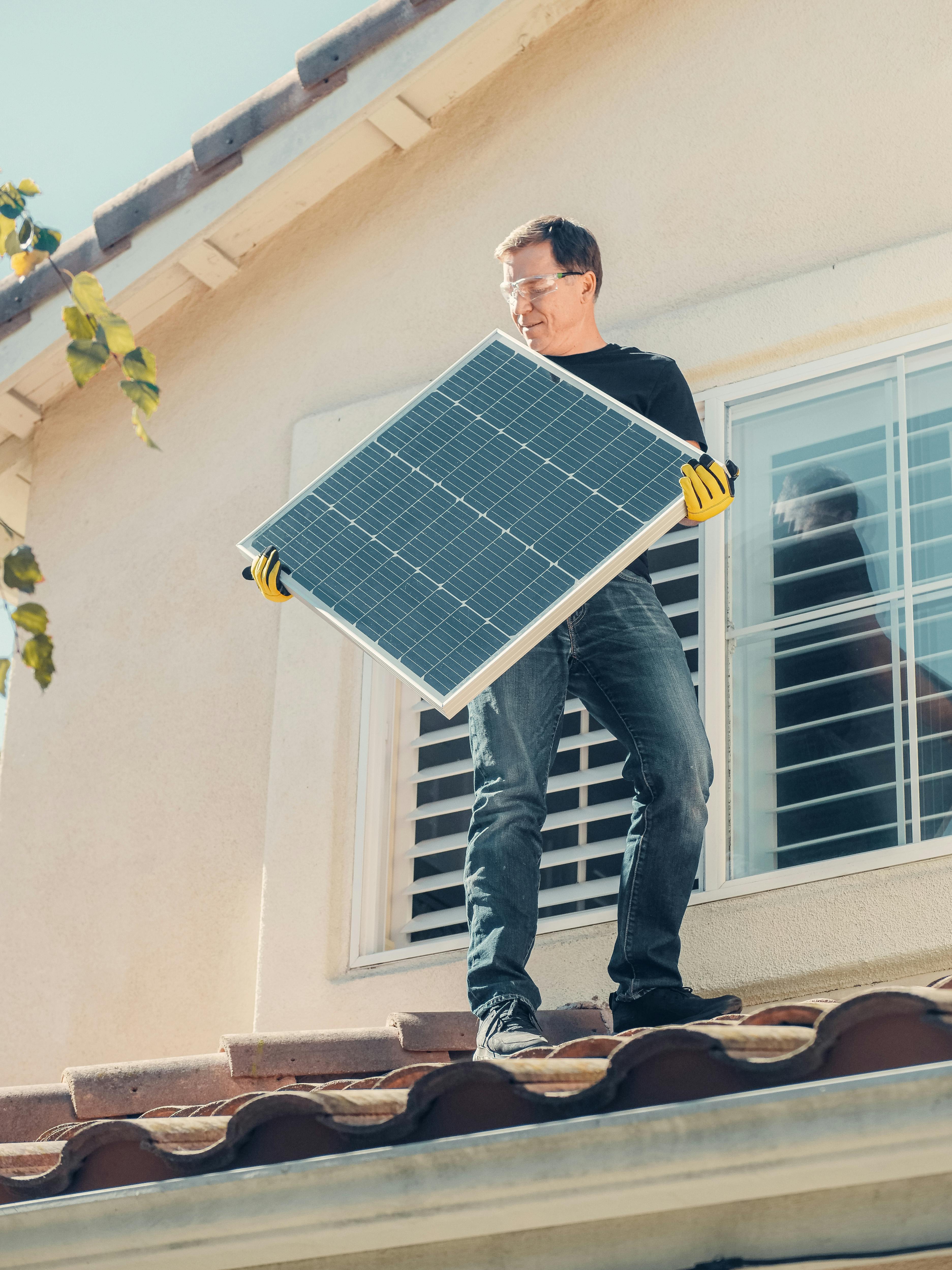
Quick context: Renewable Energy: Cheaper, Healthier, and Surprisingly Slow Renewable Energy: The Cheaper, Healthier Choice As the world continues to grapple with the daunting challenge of climate change, one piece of good news has emerged from the shadows –.
This GreenPlanet update looks at Renewable Energy: Cheaper, Healthier, and Surprisingly Slow with a focus on practical context, environmental trade-offs and what readers can reasonably take from the source.
Key takeaways
- Read the headline through the specific environmental issue it raises, not as a sweeping claim about every region or sector.
- Look for the practical link between science, policy, community action, technology and everyday choices.
- Treat brief source details as a starting point for context rather than a complete evidence review.
- Check follow-up reporting or primary research before making decisions based on a fast-moving sustainability story.
What happened
The source context points to renewable energy: cheaper, healthier, and surprisingly slow. This update keeps the claim focused and avoids adding unsupported statistics, quotes or extra events.
If the original source is brief, the better approach is to explain why the topic matters, which questions remain open and how readers can think about the environmental angle.
Why it matters
Energy transition stories matter because cleaner systems depend on technology, infrastructure, finance and public trust moving together.
Clear environmental writing helps readers separate a real signal from a vague green claim. That makes the page more useful for search readers and more trustworthy for returning visitors.
Clean energy context
Clean energy coverage often sits between engineering detail and everyday impact. Readers need to know whether the story is about deployment, cost, reliability, materials, permitting or grid integration.
A careful reading keeps both promise and constraint in view. New energy tools can help, but they still need practical pathways, maintenance and policy support.
Reader checklist
- Identify whether the story is mainly about climate, energy, waste, conservation, policy or research.
- Look for the difference between confirmed findings and broader interpretation.
- Consider who is affected locally, regionally or globally.
- Use primary sources or follow-up reporting for time-sensitive decisions.
Related GreenPlanet reads
- Alabama Fatal Home Explosion: Methane Ignition Above Coal Mine
- Alabama Home Explosion: Methane Likely Cause - Full Story
- "Alabama Home Explosion: Methane Cause Revealed"
- Alabama Home Explosion: Methane Likely Cause - Full Story Inside
FAQ
Is this a complete scientific review? No. It is a reader-friendly brief based on the available source context.
Can the details change? Yes. Environmental research, policy and project updates can evolve as new information appears.
What should readers do next? Compare primary sources, local guidance and later reporting before treating the topic as settled.
Bottom line: Renewable Energy: Cheaper, Healthier, and Surprisingly Slow matters because environmental stories become more useful when readers can see the practical context, the limits and the next questions.
Information note: Environmental science and sustainability policy can change as new data appears. This article is informational context, not professional advice.