 GreenPlanet News

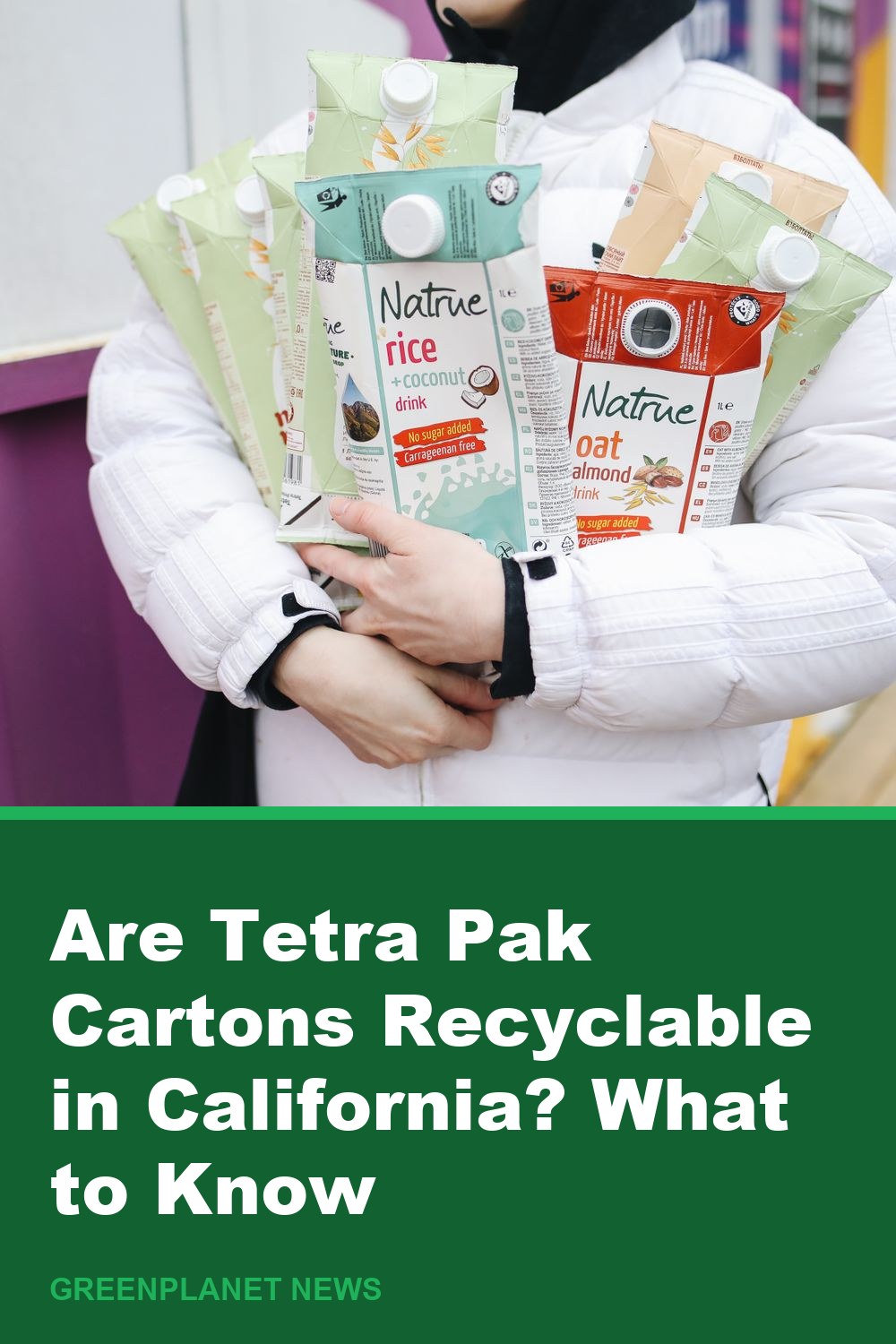

- Whether a carton can be recycled depends on your local program, and a recyclable logo on the pack does not replace checking it.
- Tetra Pak is fighting in California legislation to let cartons carry the 'recyclable' logo, so the label itself is the open question.
- Recycling, reuse and recovery are separate steps, so ask where a carton goes after your bin, not only whether it is accepted.
The short answer is that it depends on where you live and who collects your recycling. In California, carton maker Tetra Pak has been fighting in legislation for cartons to be allowed to carry the "recyclable" logo. That tells you the label is still contested, so you should not treat it, or its absence, as the final word on your kitchen bin. It matters now because a carton in the wrong bin is an easy mistake, and it can cost your local program time and money.
Are Tetra Pak cartons recyclable in California?
There is no single yes or no that covers the whole state. What is known is the shape of the dispute: Tetra Pak is pushing for cartons to be able to carry the "recyclable" logo under California's rules. The company's effort suggests that carrying the logo is not something cartons can take for granted.
For you, the useful question is narrower. Does your own curbside program or drop-off site take cartons, and what happens to them afterwards? That is what decides whether the carton in your hand is recyclable in your home.
What is the legislative fight actually about?
It is about the label, not about your bin. A "recyclable" logo is a claim made to shoppers. Laws on recyclable labeling decide which products may make that claim. When a packaging company lobbies to have cartons qualify, it is asking for the right to put that claim on the pack.
A label rule and a collection program are two different things. One governs what a package may say. The other governs what a truck, a sorting facility and a buyer for the material will actually take. A carton could be allowed to carry the logo and still be refused by a particular local program. The reverse can also happen.
Who is affected by the carton label rules?
Three groups feel the outcome:
- Shoppers, who rely on the logo to decide what goes in the blue bin.
- Carton makers and food brands, who want the logo on soups, milk alternatives and juices sold in cartons.
- Local recycling programs, which have to deal with whatever lands in the bin, labeled or not.
If you live in California, you are directly in the middle of this. If you live elsewhere in the US, or in the UK, the same logic applies: the label tells you what the maker claims, and your local collection tells you what will actually be handled.
Recyclable, recycled, recovered: why the words matter
Recycling, reuse and recovery are different steps, and each has limits. A package is only useful as a recycling story if you can follow the material to where it goes next.
- Accepted means your program will collect it.
- Recyclable is the claim on the pack, and it is the claim being fought over in California.
- Actually recycled means the material was processed and went on to a new use.
A carton can be accepted without those later steps being clear to you, so ask about the whole chain, not only the first one.
How to judge whether your carton is recyclable, in five steps
- Find your program's accepted-items list. Look on your city, county or waste hauler's website. Search for the exact word "cartons" or the carton type you buy most, such as milk-alternative or soup cartons.
- Read the list as written. A line that names cartons is a clear yes. A vague line such as "paper packaging" is not.
- Look at the carton itself. Note whether it has a recyclable logo, and treat that as the maker's claim. Compare it with step one, and let your local list win if the two disagree.
- Ask the hauler if the list is silent. A short call or message to customer service usually settles it. Ask where the cartons go after collection.
- Set up your kitchen to match the answer. If cartons are accepted, give them their own spot in a small sorting bin so they do not end up in the trash by habit. If not, put them in the trash and do not guess.
What can go wrong?
The most common mistake is putting a carton in the recycling bin because it looks like it should go there. Items a program does not want can slow sorting and can contaminate good material. The opposite mistake wastes useful material, because someone assumes cartons are never accepted without checking.
A second risk is trusting one source. A logo, a brand's website and a local list can all say different things. When they do, follow your local program, because that is the system that handles your bin. For anything time-sensitive, compare the original sources and later reporting rather than relying on a summary, including this one. Rules on labeling are still being argued, and they can change.
If your program does not take cartons
You still have sensible options that cost little:
- Compare your usual carton purchases with packaging your program definitely accepts, and choose the accepted type when the price is similar.
- Buy larger sizes where you will use the contents, so you throw away fewer packages overall.
- Reuse sturdy cartons around the house or garden before they go to the trash.
The most useful change is usually upstream: preventing waste, then collecting it better, then processing it cleanly, then designing packaging to last. For a wider look at how producer responsibility rules are shaping packaging, see our post on EPR laws from the Packaging Recycling Summit. For how labeling claims are being tested elsewhere, read about the EU's updated anti-greenwashing law.
FAQ
Does the same advice apply to UK households?
The California fight is specific to California, but the method works anywhere. Check your own council's accepted list, treat the pack's logo as the maker's claim, and ask the collector if the list does not mention cartons.
Could the answer change after this legislation?
Yes. Policy updates can evolve as new information appears. If the rules on the recyclable logo change, the label you see on cartons may change too. Your local program's list is still the thing to check.
As an Amazon Associate I earn from qualifying purchases: if you buy through these links I may earn a small commission, at no extra cost to you. Each link opens a search on the Amazon store for your country.
Photo: Polina Tankilevitch / Pexels

I'm an Italian creator who builds apps, games and websites. I run GreenPlanet News with the help of AI tools: every article starts from the sources linked above, and I check what goes out. I'm not a doctor, a lawyer or a financial adviser. Spotted a mistake or have an idea? Write to me.
Instagram @spartaco_94_My websiteWrite to meAbout this blog










 Green Investing 101: A Beginner's Guide to Sustainable Investments





