 GreenPlanet News


- US gas storage ended October at 3,810 Bcf, almost 2% above the five-year average, so supply heading into winter is comfortable.
- EIA expects a relatively mild winter and stocks 4% above average in March 2027, but a cold snap or your utility's rate can still lift your bill.
- Your bill follows your utility's rate plan and how much gas you burn, so compare your rate and tighten up the house before the cold arrives.
Not necessarily because of supply. US natural gas storage is above normal and the government expects a fairly mild winter, which are good signs. But a full storage tank does not set the price on your bill, and your bill is built from your utility's rate, the weather and how much gas your house burns. That is why it is worth spending an hour on your rate plan and your thermostat now, before the first cold week.
The claim: full storage means a cheaper winter
You will hear it often this autumn: gas storage is full, so heating will be cheap. It sounds sensible, and part of it holds up. The step from "supply is fine" to "my bill will fall" is where it breaks. The sections below separate the two.
What is true: supply is comfortable going into winter
According to the US Energy Information Administration (EIA), working natural gas in storage across the Lower 48 states finished the injection season at 3,810 billion cubic feet (Bcf). That is almost 2% above the five-year average. The injection season runs from April 1 to October 31, the months when demand is typically lower.
Stocks were already high when refilling began. EIA says storage started the 2026 season at 1,878 Bcf, 3% (63 Bcf) above the five-year average. Operators could hit their end-of-season targets with smaller injections as a result. Net injections over the season were actually 2 Bcf below average, yet the total still ended up higher than usual.
The outlook is also reasonable. In its November Short-Term Energy Outlook, EIA forecasts withdrawals of 1,900 Bcf during the heating season, November 1 to March 31. It expects inventories to finish March 2027 about 4% above the five-year average, citing a relatively mild winter and higher production. In plain terms, the country is not heading into winter short of gas.
What is not true: full storage does not decide your rate
Storage tells you about physical supply. It does not tell you what your utility will charge per unit. Three details in EIA's report show why the link is loose.
- Extra production is leaving the country. EIA reports that dry gas production in the 2026 refill season was 3% higher than a year earlier, according to S&P Global Energy. Most of the increase went to meet rising demand from liquefied natural gas export terminals, not to pile up at home.
- The cushion shrank over the summer. The surplus over the five-year average peaked at 198 Bcf (7%) in the week ending August 7. It then fell for 10 straight weeks as a warmer-than-normal summer pushed up gas burned for power generation. Gas demand is not only about home heating.
- The mild-winter forecast is a forecast. It is EIA's central expectation, not a guarantee. A cold spell pulls more gas out of storage and raises your usage, and that alone can make a bill bigger even if the price per unit stays flat.
EIA's storage figures also do not translate into a household bill estimate. Your utility's rates depend on its own contracts, its delivery charges and any rate case it has before regulators. Our post on checking your utility's rate case shows how to look for those filings, and the same approach works for gas.
One more caution: these numbers cover the US Lower 48. UK households have their own supplier tariffs and price rules, so storage in Texas or Pennsylvania will not tell you your bill. Our piece on why UK energy bills stay high in 2026 covers that side.
What it changes at home: a rate-plan and thermostat checklist
Good supply news is not a reason to relax, but it does give you time to act calmly. Work through this list in order.
- Find your rate on the last bill. Look for the price per unit (therms or ccf in the US, kWh in the UK), the fixed monthly charge and any delivery charge. Write them down so you can compare later.
- Find out whether your rate is fixed or variable. A variable rate can change month to month. A fixed rate holds for the contract term. If you are on a variable plan and a fixed offer is close to your current price, weigh the certainty against the chance that a mild winter keeps prices calm. Read the term length and any exit fee before you sign.
- Ask about budget billing. Many utilities spread your estimated yearly cost into level monthly payments. It does not lower the total, but it avoids a shock in January.
- Check for a pending rate increase. Search your utility's website or your state or national regulator for open rate requests.
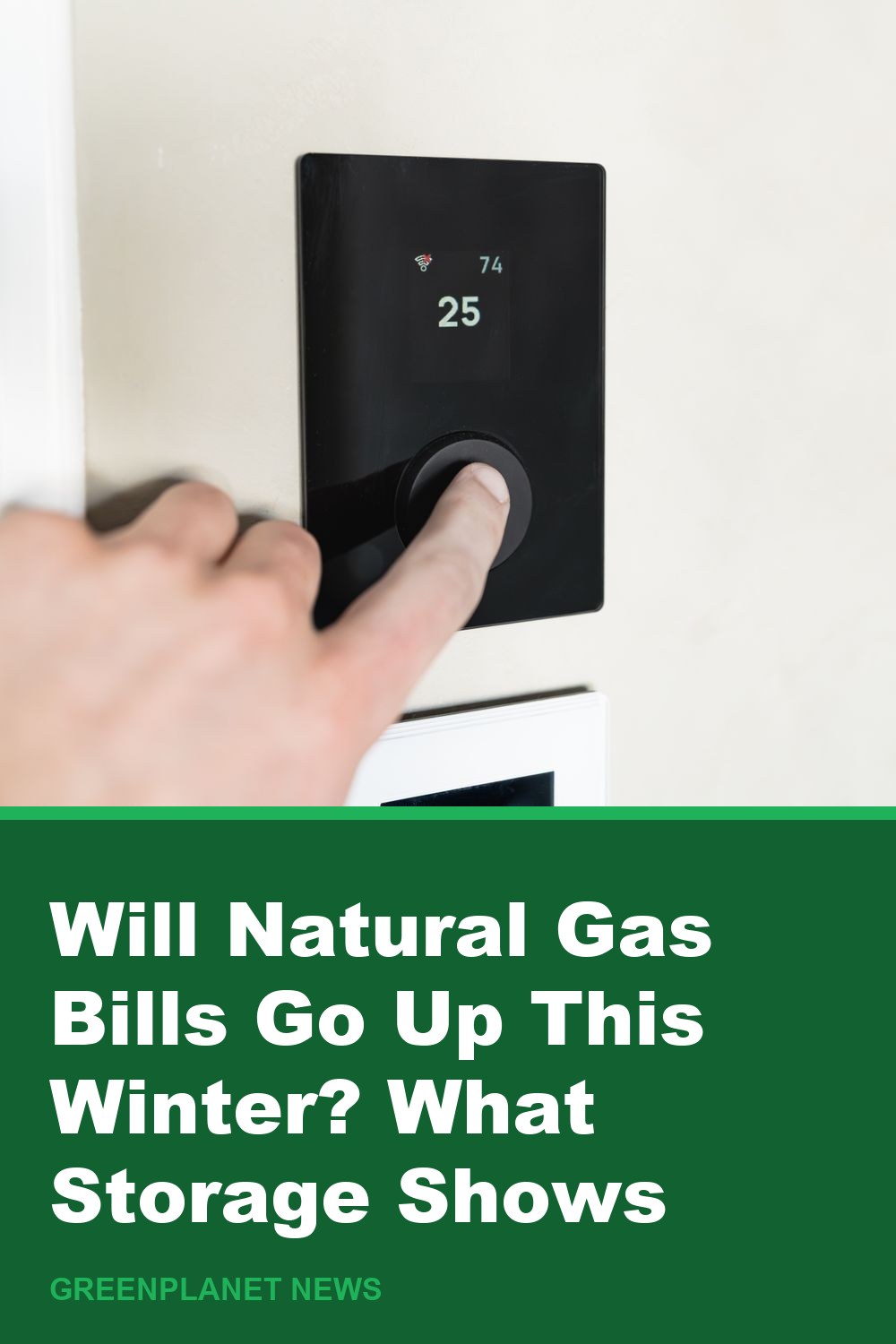
- Set the thermostat schedule now. A programmable or smart thermostat can lower the setting while you sleep or are out and bring the house back up before you return. Pick times that match your week, and test them for a week before the cold sets in.
- Seal the cheap leaks first. Weatherstrip doors and windows, add a door draft stopper, and close off obvious gaps. These are low-cost jobs with quick returns.
- Plan insulation for the biggest gap. The attic is usually the best place to start. Our attic insulation guide with payback maths shows how to work out whether the job pays for itself in your home.
For a broader view of where the energy in your house goes, the Honest Toolkit energy-efficiency guide is a free place to start sorting jobs by cost and effort.
How to read the next headline
When you see a storage number, ask two questions. Does it describe supply or price? And does it say anything about my utility's rate? If the answer to the second is no, treat it as background and rely on your own bill and plan. The storage story is a reason for measured optimism about supply, not a promise on your January statement.
The things you control are the same whatever the weather does. Know your rate, pick the plan that suits your risk tolerance, and cut the gas you burn. A tighter house cuts your use in a cold winter and in a mild one.
FAQ
Should I lock in a fixed gas rate now?
It depends on your current rate and the contract terms. A fixed rate protects you if prices jump, but it can cost more than a variable rate if the winter turns out mild and supply stays comfortable. Compare the fixed price with what you pay today, check the length of the term, and look for early-exit fees before you commit.
Will a mild winter automatically lower my bill?
A milder winter usually means you burn less gas, which lowers the usage part of your bill. Fixed monthly charges and delivery charges still apply, and your rate can change independently of the weather. Expect a smaller bill only if your usage falls by more than any rate increase adds.
As an Amazon Associate I earn from qualifying purchases: if you buy through these links I may earn a small commission, at no extra cost to you. Each link opens a search on the Amazon store for your country.
Watch or listen to this episode
Sources
- US EIA – Today in Energy: U.S. natural gas inventories end injection season above normal levels
- US EIA – Today in Energy: Oil flows through Middle East chokepoints increased in the third quarter
Photo: HUUM │sauna heaters / Pexels

I'm an Italian creator who builds apps, games and websites. I run GreenPlanet News with the help of AI tools: every article starts from the sources linked above, and I check what goes out. I'm not a doctor, a lawyer or a financial adviser. Spotted a mistake or have an idea? Write to me.
Instagram @spartaco_94_My websiteWrite to meAbout this blogWritten by Ciro Irmici (Ciro Simone Irmici), with the help of AI tools. Ciro Irmici's website











 Green Investing 101: A Beginner's Guide to Sustainable Investments





