 GreenPlanet News

The UK chancellor says his budget sets a "new course on energy" built around keeping bills low, but the immediate help is modest and some of it is temporary. According to Carbon Brief, the main new measures are a £100 council-tax rebate in England, a three-month VAT extension on electricity and the removal of the gas standing charge. Forecasts still point to the January 2027 price cap rising by about a quarter. For households, the practical task is to separate the savings that are confirmed from those that may change, and to act on the confirmed ones first.
What the budget actually changes for your bills
Chancellor John Healey described the budget as a "radical reform of energy" and said the government's priority is "first and foremost cheaper energy", with clean power central to that aim. He also said the government remains "unshakably committed to net-zero by 2050".
Carbon Brief notes that the context is the Middle East conflict, which has disrupted global oil and gas trade. The Office for Budget Responsibility (OBR) said fossil-fuel prices rose by 83% in the year to September 2026. Carbon Brief adds that expensive gas drove most of the recent price rises.
The immediate help is limited. Carbon Brief says the budget fell far short of what industry bodies, thinktanks, charities and energy companies had asked for. That has raised expectations of further support once the January 2027 price cap is announced. Forecasts suggest bills could rise by around £470 to about £2,200 a year.
The measures, side by side
| Measure | What it is worth | Who benefits | Timing and firmness |
|---|---|---|---|
| Council-tax rebate | £100 per household (cost to government: £2.6bn) | English households in bands A-D; devolved governments get a share to fund their own support | Announced in the budget; the only substantive new immediate bills measure |
| Local support fund | £100m extra for councils | Households "acutely impacted" by higher energy bills | Targeted, so you will need to ask your local authority |
| VAT removal on household electricity | Around £45 a year | Electricity customers | Temporary; extended by three months, from April to July 2027 |
| Gas standing charge removal | Standing charge costs about £108 a year for a typical household; 60% of households save around £45 a year on average | Around 23m homes | Ofgem is asked to move the cost onto gas unit rates in 2027, or sooner if possible |
| Pause on new policy costs | No figure given | All bill payers | Until a cost-control framework arrives at the 2027 spending review |
Which savings look durable, and which don't
The most lasting change is structural. The standing charge change alters how gas bills are built rather than offering a one-off payment. The government says it will ask Ofgem to move that cost into unit rates. The figure applies to 60% of households, so don't assume you are in that group. Because the cost shifts into the price per unit of gas, how much gas you burn will count for more than it does now.
The plan to move the "gas shipper obligation", a planned levy to fund low-carbon hydrogen, into general taxation also points in a lasting direction. Carbon Brief reports that government, not consumers, will fund those hydrogen costs.
The least lasting savings are the VAT break and the rebate. The electricity VAT removal is described as temporary and now runs to July 2027. Plan your budget as if it ends then.
The promise on policy costs is a commitment, not yet a mechanism. Healey pledged no new policy costs on bills until the cost-control framework is in place. James Dyson, a senior researcher at E3G, told Carbon Brief that an effective framework should include a specific, time-bound commitment to remove the hidden costs that have built up in bills over two decades. Watch the 2027 spending review for that detail.
Where support for home upgrades looks shakier
Savings from the budget's bill measures are small next to what insulation, efficient heating or solar can deliver. This is the part to watch, because support for these is under pressure.
Carbon Brief reports that the government is cutting £1bn from its warm homes plan to fund defence spending. The budget also appears to cut up to another £4.7bn from the plan. It also ends zero-rated VAT for solar panels. The Guardian separately reported that the government plans to reduce grants for households swapping a gas boiler for an electric heat pump. Heating buildings accounts for around a fifth of the UK's greenhouse gas emissions, according to the Guardian.
None of the sources gives a start date for the solar VAT change or the size of any reduced heat pump grant, so treat the details as unconfirmed. The direction of travel is the point: support for home upgrades may be thinner than it was.
The carbon capture argument, in plain terms
Ahead of the budget, naturalist Chris Packham led an appeal for the Treasury to redirect the government's £24bn of earmarked carbon capture and storage (CCS) support towards measures that help households lower bills. He called CCS a "tech fairytale". Aled Dilwyn Fisher of Oil Change International argued that cutting support for proven climate solutions while backing unreliable carbon capture would "add insult to injury".
The industry sees it differently. The Carbon Capture and Storage Association says the first UK projects have already awarded more than £4bn in supply-chain contracts, which could support about 350 UK companies and 5,500 construction jobs. Its UK director, Mark Sommerfeld, warned that pulling back would undermine investor confidence.
The budget did not move the whole £24bn. According to Carbon Brief, it cut £700m from hydrogen and CCS projects combined. For a household, that means the £24bn is not a pot of money about to land on your bill. Plan around the measures in the table, not a redirected fund.
What this means for you: a practical checklist
- Check your council-tax band. If you are in England and in band A-D, look out for the £100 rebate. In Scotland, Wales and Northern Ireland, watch for what your devolved government does with its share.
- Ask your council about targeted help. The extra £100m for local authorities is meant for households hit hard by bills, so ask what is available if you are struggling.
- Treat the electricity VAT break as temporary. Don't build it into your long-term budget beyond July 2027.
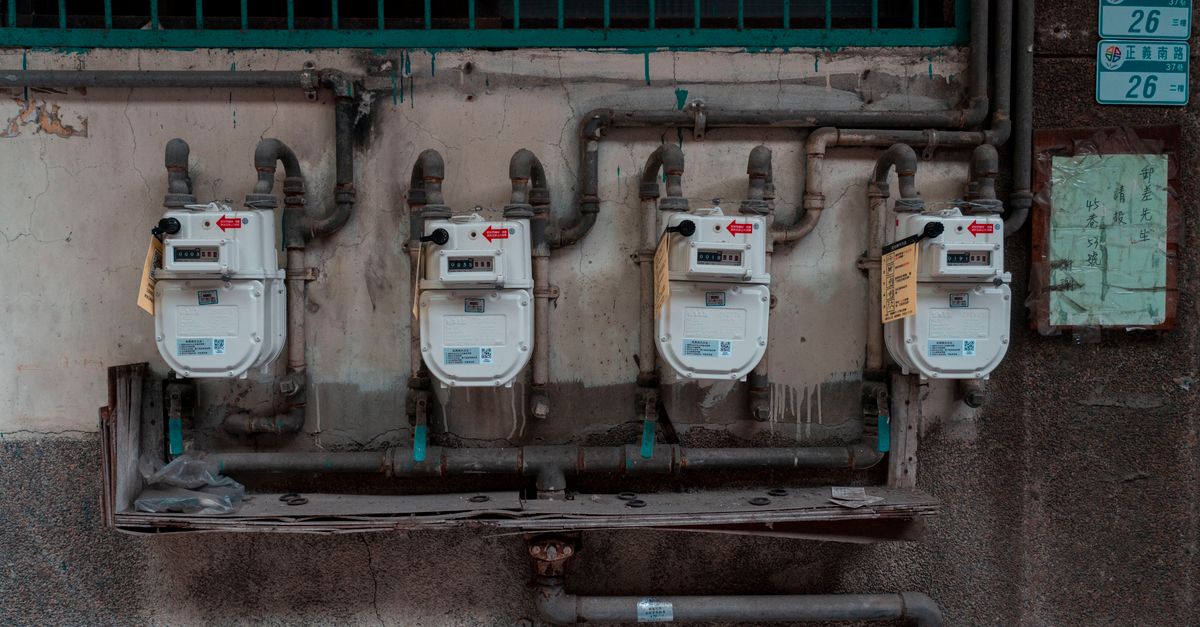
- Know your gas use. With the standing charge moving into unit rates, low gas use should work in your favour. Take regular meter readings so you can see where you stand once Ofgem makes the change.
- Look at electricity use too. A plug-in energy monitor shows which appliances cost you most and helps you spot easy cuts.
- If you are considering solar or a heat pump, get quotes now. Ask installers how VAT applies and whether the grant you expect is still available. Don't sign anything on the assumption that today's support will stay.
- Prepare for the January 2027 price cap. Forecasts suggest around £2,200 a year. Knowing your likely cost lets you decide whether to act on insulation or draught-proofing sooner.
FAQ
Is the gas standing charge being scrapped?
Not entirely. The government says it will remove the standing charge for around 23m homes by asking Ofgem to move its cost onto gas unit rates in 2027, or as soon as possible. A typical household pays around £108 a year in standing charges. The government says 60% of households will save about £45 a year on average.
Who gets the £100 council-tax rebate?
According to Carbon Brief, it goes to English households in council-tax bands A-D. Devolved governments receive a share of the funding to provide their own support, so households in Scotland, Wales and Northern Ireland should look for announcements from their own governments.
How long will the VAT cut on electricity last?
The temporary removal of VAT from household electricity bills, worth around £45 a year, has been extended by three months, from April to July 2027. The budget gives no indication that it will continue beyond that.
As an Amazon Associate I earn from qualifying purchases. Links open a search on the Amazon store for your country.
Sources
- Carbon Brief: UK budget 2026: Key climate and energy announcements
- The Guardian – Environment: UK spending on ‘fairytale’ carbon capture tech is a national embarrassment, chancellor told
Photo: Jimmy Liao / Pexels

I'm an Italian creator who builds apps, games and websites. I run GreenPlanet News with the help of AI tools: every article starts from the sources linked above, and I check what goes out. I'm not a doctor, a lawyer or a financial adviser. Spotted a mistake or have an idea? Write to me.
Instagram @spartaco_94_My websiteWrite to meAbout this blog










 Green Investing 101: A Beginner's Guide to Sustainable Investments





