 GreenPlanet News

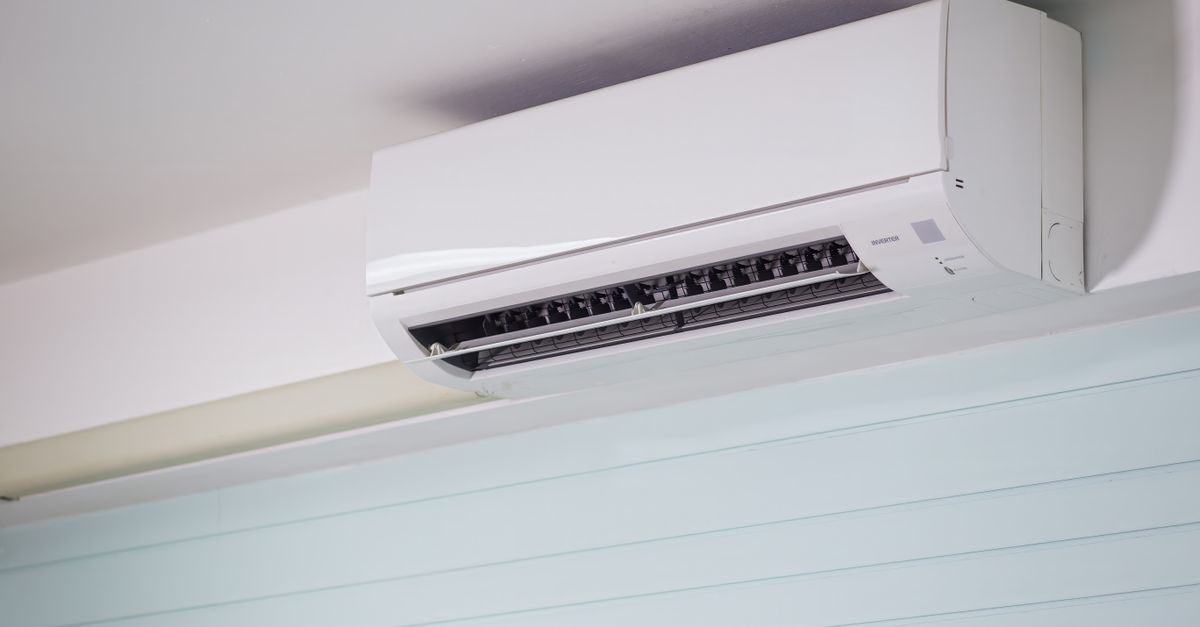
Heating and cooling usually take the biggest share of a home's energy bill, so the system you pick matters for years. According to Green Building Advisor (GBA), the choice between a central ducted system and individual ductless mini-split heat pumps is harder than it looks, especially in a small, well-insulated home. Ducts can give you even temperatures and built-in filtration. Mini-splits let you heat or cool only the rooms you use. Where you put the outdoor unit then decides how well it copes with cold and wind.
What each system does well
GBA lays out the trade-offs plainly. A central ducted system can deliver even temperatures, good air filtration and whole-house humidity control. The equipment is also generally less visible, and ducts make it easier to add centralised filtration and humidity control.
The downsides are real, though. Ductwork takes up space and adds to installation costs. If it is poorly designed or installed, it can also cause efficiency losses, which means you pay for heat or cooling that never reaches the room.
Ductless mini-split heat pumps offer room-by-room temperature control and flexibility in where they can be installed. They can also run only where heating or cooling is needed. If you spend your days in one or two rooms, that is where the savings can come from.
GBA also points to a third option, the multisplit, which connects several indoor units to one outdoor unit. Allison Bailes recently argued the case for single-zone mini-splits over multisplits, where each indoor unit has its own outdoor unit.
A real example: four small units or one ducted system?
GBA describes a member, known as "big_o", who is designing a house in North Texas (Climate Zone 3A). It has two bedrooms and 1,200 square feet, plus an 800-square-foot conditioned attic. He estimates the heating load at roughly 21,000 Btu/hr.
His plan was four single-zone mini-splits: one in each bedroom, one in the living room and one in the attic. When he shared the idea with an online group, the response was unanimously in favour of central ducted heating and cooling. He was not convinced. He estimated that four 9,000 Btu/h mini-splits could be bought and installed for about $500 each, which comes to around $2,000 for the set.
You do not need to be building in Texas to learn from this. A small, efficient house with several separate zones is exactly the situation where both options are credible, and where the opinion of the crowd is not a substitute for working out your own numbers. The project is also a reminder that loads are measured in Btu/hr in the US. If you are in the UK, your installer will likely quote in kilowatts, so ask for the heat-loss figure for each room in whichever unit they use.
Can one mini-split serve a whole flat?
Another GBA reader asked whether a single ductless unit in the living area could work for a two-bedroom apartment, instead of putting units in the bedrooms too. The idea was to leave doors open and use transfer fans to move air between rooms. The reader also asked whether there is a way to model the temperature differences between spaces.
It is a sensible question for anyone trying to cut equipment costs. The catch is that bedrooms with closed doors may sit at different temperatures from the living room. If you try this approach, treat it as a test. Place a cheap thermometer in each bedroom, run the unit through a cold spell or hot spell, and see whether the rooms you sleep in are comfortable before you rule out a second unit.
Ducted vs ductless at a glance
| Factor | Central ducted system | Ductless mini-splits |
|---|---|---|
| Temperature | Can provide even temperatures through the house | Room-by-room control |
| Air filtration | Easier to add centralised filtration | Handled unit by unit |
| Humidity control | Whole-house control is easier to incorporate | Not highlighted as a strength |
| Running only where needed | Serves the whole house through ducts | Can run only in the rooms that need it |
| Installation | Ducts take space and add cost | Flexible placement |
| Appearance | Equipment generally less visible | Indoor units are on view in each room |
| Efficiency risk | Losses if ducts are poorly designed or installed | Need enough units to cover every space you use |
| Example cost cited | Not given | About $500 each for 9,000 Btu/h units, installed, per the North Texas designer's estimate |
Where to put the outdoor unit in cold, windy weather
GBA also hosts a question from a homeowner in south-central Minnesota (Climate Zone 6B) who plans to use a mini-split as the main heat source. He wanted the outdoor condenser out of sight from inside, so the north side of the house was the plan, even though he understood it was not ideal. The spot has full wind exposure and no trees as a windbreak.
His mount is galvanised strut channel on a concrete pad. It would sit on clean rock inside a raised retaining wall around the house. His real dilemma was orientation. A Mitsubishi manual, he says, recommends turning the unit 180 degrees and placing it behind a secondary windbreak in high-wind areas. Many of his neighbours, though, have their units in the standard orientation on the north face of their houses.
GBA expert member Akos gave a practical answer with three points:
- Move it closer to the house. Tucked nearer the wall, the unit is partly sheltered.
- Allow for snow. Zone 6 generally means snow country, so the stand has to be tall enough for local snow accumulation.
- Add wind protection only if needed. Most manufacturers sell wind baffles for high-wind areas. You can install the unit first, and if you have defrost problems, add a windbreak or baffle.
That last point saves money. You do not have to build a fence before you know you need one. Just check beforehand that you have room to add a baffle or windbreak later.
What this means for you
Use this checklist before you sign a quote.
- List how you live. If most of the day is spent in one or two rooms, mini-splits that run only where needed may suit you. If you want even temperatures and central filtration and humidity control, ducts have the advantage.
- Look at your space. Ductwork takes room and adds cost. If your home has no space for it, that weighs against ducted.
- Ask about duct quality. If you choose ducted, ask how the installer will design and install the ducts, since poor work causes efficiency losses.
- Get a per-room load. The Texas example shows why: the designer began with a total heating load estimate and then matched units to rooms.
- Price both options fully. Compare the installed cost of the whole ducted job against the total for every unit you would need, not just the first one.
- Test before cutting corners. If you want one unit to cover several rooms with open doors and transfer fans, measure bedroom temperatures before deciding against extra units.
- Choose the outdoor spot early. Keep the unit near the house for partial shelter, raise it above likely snow depth, and ask the manufacturer about wind baffles.
- Read the manual. If the manufacturer gives guidance on orientation in high winds, as the Mitsubishi manual reportedly does, follow it or ask your installer to explain why not.
FAQ
Is a ducted system or a mini-split better for a small, efficient home?
Neither wins in every case. According to GBA, ducts can give even temperatures, filtration and humidity control, but they cost more to install, take up space and can waste energy if badly done. Mini-splits give room-by-room control and can run only where needed. Your layout and habits should decide.
Can one ductless mini-split heat a two-bedroom home?
One GBA reader is exploring exactly that, using open doors and transfer fans to carry air from the living area into the bedrooms. Whether it works depends on the layout, so measure bedroom temperatures in cold weather before relying on one unit.
Where should I put the outdoor unit in a cold, windy place?
GBA expert Akos suggests siting it close to the house so it is partly sheltered, and raising it high enough for local snow. If you have defrost trouble, add a wind baffle or windbreak. Many manufacturers sell baffles for high-wind areas.
- Wireless room thermometers to test whether bedrooms stay comfortable
- A raised stand for the outdoor unit, useful where snow builds up
As an Amazon Associate I earn from qualifying purchases. Links open a search on the Amazon store for your country.
Sources
- Green Building Advisor: Q&A Spotlight: Ducted Central HVAC or Individual Minisplits?
- Green Building Advisor: Is there a way to model how a single mini split will heat a 2 bedroom apartment?
- Green Building Advisor: Mini-split condenser orientation, cold climate with wind exposure, MN zone 6B
Photo: NEOSiAM 18+ / Pexels

I'm an Italian creator who builds apps, games and websites. I run GreenPlanet News with the help of AI tools: every article starts from the sources linked above, and I check what goes out. I'm not a doctor, a lawyer or a financial adviser. Spotted a mistake or have an idea? Write to me.
Instagram @spartaco_94_My websiteWrite to meAbout this blog










 Green Investing 101: A Beginner's Guide to Sustainable Investments





