 GreenPlanet News

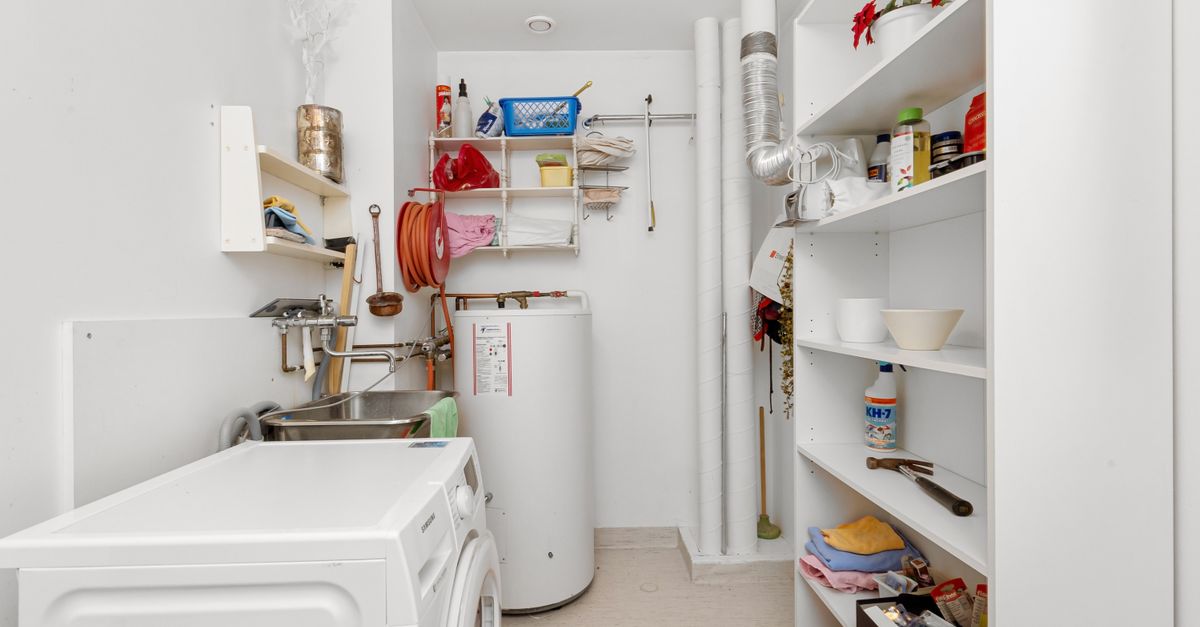
If your heat-pump water heater is quietly using more electricity each year, the cause may be a clogged filter and a dusty coil rather than a failing machine. Building science consultant Allison Bailes tracked one such rise at his own home. According to Green Building Advisor, his heater's energy use in 2024 was 89% higher than in 2020. The explanation turned out to be a mix of dirt and household habits, and both are things you can check yourself for free.
What happened in one well-tracked home
Bailes, founder of Energy Vanguard in Decatur, Georgia, has kept a spreadsheet of every electricity bill since he moved into his house in 2019. He also tracks individual appliances. That record shows a slow rise in his heat-pump water heater's use from 2020 to 2023, then a big jump in 2024 and another high year in 2025. By 2026, use was back to normal and might even end up the lowest of any year so far.
Before the spike, the pattern was steady. From 2020 to mid-2023, the heater used about 60 kWh a month in winter and 20 to 30 kWh a month in summer. That is a useful baseline, and it shows why a spreadsheet beats guesswork: you can only spot a change if you know what normal looks like.
Why dust matters to a heat-pump water heater
A regular electric or gas water heater doesn't much care about dusty air. A heat-pump water heater does, because it draws its heat from the air around it. Dirty air means a dirty filter, and Bailes found that the coil and other parts can get dirty too.
In February 2024 he began gutting and remodeling his basement, where the heater sits. The air filled with dust and fine particles, and he didn't always remember to cover and switch off the water heater. By January 2025, the filter was clogged with drywall dust. Bailes says the extra energy from a filter and coil in that state had to be significant.
But dirt wasn't the whole story
The dirty filter looked like the obvious culprit, but the monthly data told a more mixed story. Energy use rose steeply at the end of 2023, before the renovation had even started. What changed then: in August 2023, Bailes's stepson, who prefers baths to showers, moved in. He stayed two years and moved out at the end of July 2025. Use rose when he arrived and returned to normal after he left.
Bailes also cleaned the coil in April 2025, and a big drop in monthly use showed up in July 2025. Without monthly hot water use figures alongside the energy data, he says he can't fully separate the two causes. His conclusion is that the two years of high use came from both the dirty components and the extra hot water.
There was a third effect pulling the other way. The renovation moved the heater into fully conditioned space. Before the winter of 2024-25 the basement had no heating, and the warmer surrounding air made the heater more efficient. Bailes says that without it, the November-to-January peaks that winter would have been higher.
The timeline at a glance
| When | What happened | Effect on energy use |
|---|---|---|
| 2020 to mid-2023 | Normal running | About 60 kWh a month in winter, 20 to 30 kWh in summer; a slow rise overall to 2023 |
| August 2023 | Bath-loving household member moves in | Steep rise at the end of 2023 |
| February 2024 | Basement remodel begins; heater not always covered or switched off | 2024 use is 89% above 2020 |
| Winter 2024-25 | Basement now heated; filter clogged with drywall dust (photographed January 2025) | Dirt raised use, warmer air kept the winter peaks lower than they would have been |
| April 2025 | Coil cleaned | Part of a big drop seen in July 2025 |
| End of July 2025 | Extra household member moves out | Use returns to normal |
| 2026 | Normal running | Possibly the lowest annual use so far |
What this means for you
The lesson is not that every high bill comes down to a dusty filter. It is that two ordinary, cheap things can both push use up, and you should rule them out before spending money on a technician or a new unit. Here is a simple order of play if you have a heat-pump water heater.
- Look at the filter. Bailes recommends checking it regularly and cleaning it when necessary. Compare what you see with the clean filter shown in your manual or on the manufacturer's website. A grey blanket of dust is your answer.
- Look at the coil and other components. If they are dirty, clean them. Bailes cleaned his coil and made a video of the process, but follow your manufacturer's instructions and switch the unit off first.
- Ask who is using the hot water. Has someone moved in, started taking baths, or changed their routine? Bailes's own case shows that a change in household habits can look just like a faulty appliance.
- Check where the heater sits. A heater drawing heat from a warmer room works more efficiently than one in an unheated space. Bailes saw this effect first-hand once his basement was heated.
- Compare with your own history. Pull out a year or two of bills and see whether the rise lines up with a date, such as a remodel, a new occupant or a seasonal change.
Protect the heater during dusty jobs
If you are about to sand, cut drywall, strip plaster or clear a loft or cellar, take the precautions Bailes recommends. Turn the water heater off and cover it for the duration of the dust-making work. Remember to switch it back on and remove the cover afterwards. If dusty work is a regular part of your home life, he also suggests upgrading the filtration.
Start tracking, even simply
Bailes's closing advice is to monitor your energy use, because it can tell you a lot. You don't need his level of detail. Writing down your monthly electricity use and noting any big events beside it, such as a new family member, a building project or a cleaning job, is enough. If your heater has its own monitor or your meter allows it, even better. Once you know what a normal winter and summer look like, a change shows up fast.
One caveat: his experience can't tell you how much a dirty filter costs in your home, since his own data couldn't separate dirt from extra hot water. What it does show is that checking costs you nothing, and the possible savings are worth a few minutes.
FAQ
Why is my heat-pump water heater using more electricity?
Two likely reasons from this case are a dirty filter or coil and a rise in hot water use. A heat-pump water heater draws heat from the surrounding air, so dusty air can clog its filter and dirty its coil. In Bailes's home, extra bathing by a new household member and dust from a remodel both played a part, according to Green Building Advisor.
How do I keep a heat-pump water heater running efficiently?
Bailes suggests four steps: turn off and cover the heater during dusty work such as remodeling, upgrade the filtration, check the filter regularly and clean it when needed, and clean the coil and other components when they get dirty. He also recommends tracking your energy use so you can spot problems early.
Does a regular water heater need the same care?
Not in the same way. Bailes notes that dusty air doesn't matter much for a regular electric or gas water heater, because it doesn't pull its heat from the room air. The filter and coil checks apply to heat-pump models.
Sources
Photo: Alex Tyson / Pexels

I'm an Italian creator who builds apps, games and websites. I run GreenPlanet News with the help of AI tools: every article starts from the sources linked above, and I check what goes out. I'm not a doctor, a lawyer or a financial adviser. Spotted a mistake or have an idea? Write to me.
Instagram @spartaco_94_My websiteWrite to meAbout this blog










 Green Investing 101: A Beginner's Guide to Sustainable Investments





