 GreenPlanet News

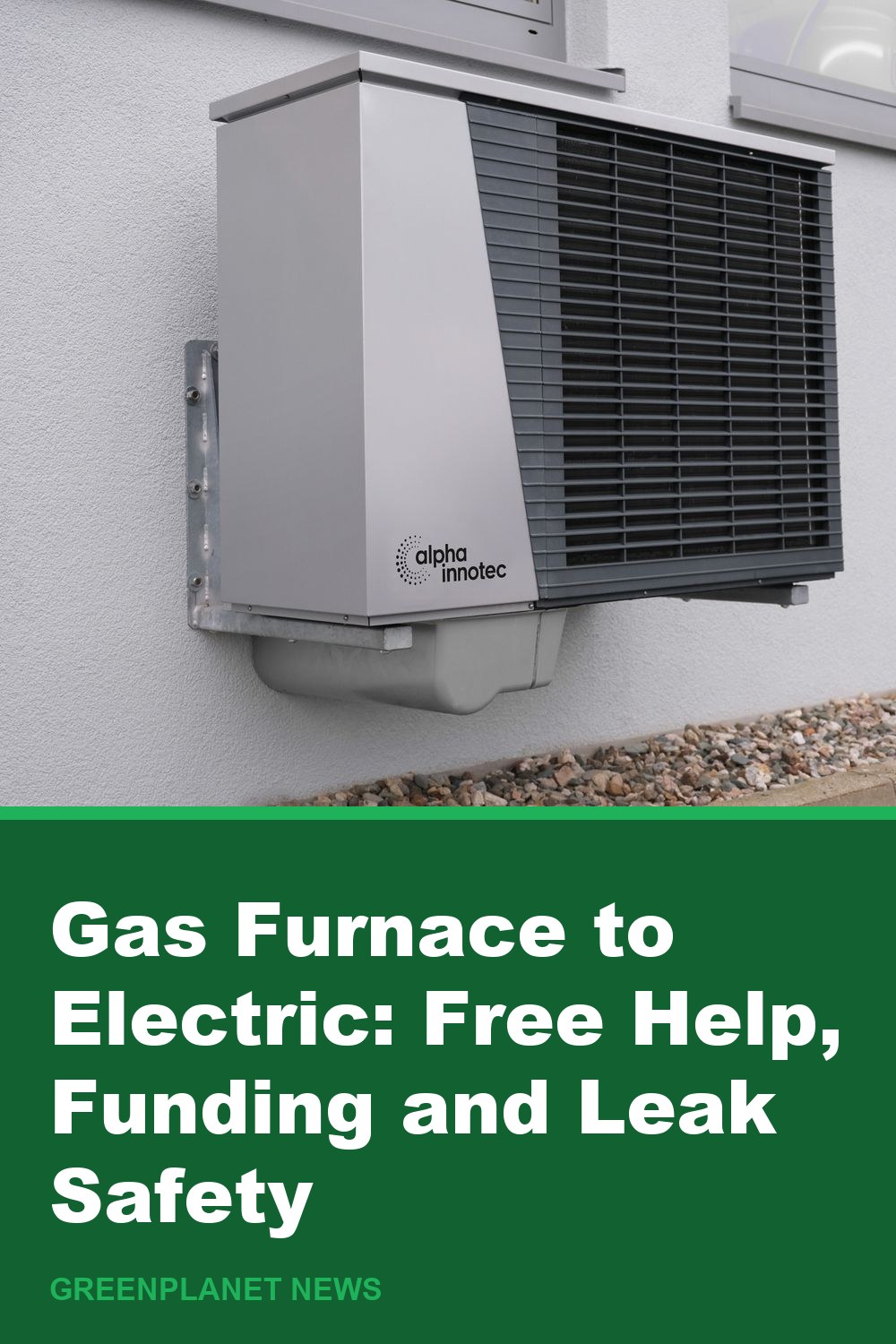

When a gas leak from her furnace drove retired educator Sherry Frazier and her daughter out of their Baltimore home, it began a chain of events that ended with an all-electric house and rooftop solar, at no cost to her. According to Canary Media, the retrofit was worth about $73,200. Her story shows what a furnace switch can involve, where the money can come from, and why a leak is a good moment to rethink gas appliances altogether.
What happened in Baltimore
Frazier told Canary Media the leak left her and her daughter with bad headaches, dizziness and wobbly legs. She fears they would have ended up in hospital had they stayed longer. Those symptoms match the carbon monoxide poisoning that Canary Media lists among the health risks of fossil-fuelled water heaters, furnaces, dryers and stoves. Other risks on that list are asthma, cancer and heart attacks.
Frazier was not looking for a new heating system. She had approached one nonprofit for help getting a refrigerator and was referred to the Green & Healthy Homes Initiative (GHHI). GHHI is a public health nonprofit based in Baltimore. It serves Baltimore and Providence, Rhode Island, and advises about 50 cities and 12 states.
Repairs first, then the heat pump
GHHI did not start with the furnace. An assessment in November 2022 found a leaky roof and poor insulation, along with hazards from the gas appliances. The nonprofit tackles necessary repairs before replacing appliances. Canary Media notes the median age of US housing is 44 years, the oldest it has been, and older homes are the most likely to hide problems such as rotten roofs, mold, lead and asbestos.
The order matters for your wallet too. A heating system installed in a draughty, poorly insulated house has to work harder. Fixing the roof and sealing air gaps first gives any new system a better chance of keeping bills down.
The timeline, step by step
| When | What was done |
|---|---|
| A few years before the retrofit | Gas leak from the furnace forces Frazier and her daughter out of the house |
| November 2022 | GHHI assesses the home and finds a leaky roof, poor insulation and other hazards |
| By end of March 2023 | New roof; stair carpet tread, handrails and a shower seat; caulked air gaps; fiberglass attic insulation; every gas appliance replaced with an electric one; electrical panel upgraded |
| The new electric appliances | Heat pump system, induction stove, electric-resistance dryer, heat-pump water heater, plus a new fridge |
| July 2025 | Rooftop solar array added; whole retrofit totals about $73,200, at no cost to Frazier |
What it did for her bills
According to GHHI's findings, reported by Canary Media, Frazier's bills have fallen by hundreds of dollars a year. In the year before the retrofit, while she still used gas, they averaged about $230 a month. She also says her heating and air conditioning bill is much lower and that she feels safer at home.
Her home is a single case, and it also gained solar and better insulation, so don't treat her result as a promise for your own house. It does show that heating, cooking, hot water and drying can all run on electricity, and that the savings can be real when the building is repaired and sealed too.
Where the money can come from
For low-income homes that qualify, GHHI covers the entire cost. Canary Media says it draws on a mix of sources:
- Local and federal programmes, such as Maryland's EmPOWER programme and the US Department of Housing and Urban Development's Office of Lead Hazard Control and Healthy Housing
- Private funding from philanthropic organisations
- Funding from healthcare companies and utility companies
The lesson is that one project can be paid for by several funders at once, and that health-focused programmes can fund heating work. Not every household will qualify for free work. Programme rules differ from place to place, so check the details where you live.
What this means for you
You don't need a leak to start planning. Use these steps whether you rent, own, or are helping a relative.
- Look for local help first. Ask your gas or electricity supplier, your state or local energy office, or your council what assistance exists. Mention health and safety, not just energy saving, because health-focused programmes may be open to you.
- Ask for a whole-home assessment. GHHI's assessment found problems that had nothing to do with the furnace. Ask about roof, insulation, air leaks, and the age of your wiring.
- Check your electrical panel. Frazier's panel was upgraded to handle the new appliances. Ask any installer whether yours can cope with a heat pump, induction hob and heat-pump water heater.
- Think beyond the furnace. Her project replaced the stove, water heater and dryer too. Replacing everything that burns gas removes the combustion risks from the home.
- Sequence the work. Repair and seal first, then install the new system, then consider solar, as in the Baltimore project.
- Get quotes in writing and ask each installer which rebates or programmes they can help you apply for.
Recognising and responding to a leak
Frazier's warning signs were headaches, dizziness and unsteadiness. If several people in a home feel unwell at once, or feel better when they leave, treat it as a possible gas or carbon monoxide problem. These symptoms can be mistaken for flu or tiredness.
If you suspect a leak, follow standard safety guidance:
- Get everyone, including pets, out into fresh air straight away.
- Don't turn lights or appliances on or off, and don't use flames or smoke, as these can ignite gas.
- Call your gas emergency line or emergency services once you are outside.
- Stay out until the appliance has been inspected and you have been told it is safe.
- Seek medical help if anyone has symptoms.
A working carbon monoxide alarm is the simplest protection while you still have any fuel-burning appliance. Test it regularly and replace it when the manufacturer says to.
FAQ
Can a gas furnace leak make you ill?
Yes. Frazier and her daughter had bad headaches, dizziness and unsteadiness after a leak from her furnace. Canary Media lists carbon monoxide poisoning among the risks of gas appliances, along with asthma, cancer and heart attacks.
What does an all-electric home replace gas with?
In Frazier's house, a heat pump system took over heating and cooling, an induction stove replaced the gas cooker, a heat-pump water heater provided hot water, and an electric-resistance dryer replaced the gas dryer. Her electrical panel was also upgraded.
Who pays for switching from a gas furnace to electric?
It depends on your circumstances. For qualifying low-income homes, GHHI covered the whole cost using local, federal, philanthropic, healthcare and utility funding. Other households should ask their utility, local energy office or council which programmes apply to them.
As an Amazon Associate I earn from qualifying purchases. Links open a search on the Amazon store for your country.
Watch or listen to this episode
Sources
Photo: alpha innotec / Pexels

I'm an Italian creator who builds apps, games and websites. I run GreenPlanet News with the help of AI tools: every article starts from the sources linked above, and I check what goes out. I'm not a doctor, a lawyer or a financial adviser. Spotted a mistake or have an idea? Write to me.
Instagram @spartaco_94_My websiteWrite to meAbout this blog










 Green Investing 101: A Beginner's Guide to Sustainable Investments





