 GreenPlanet News

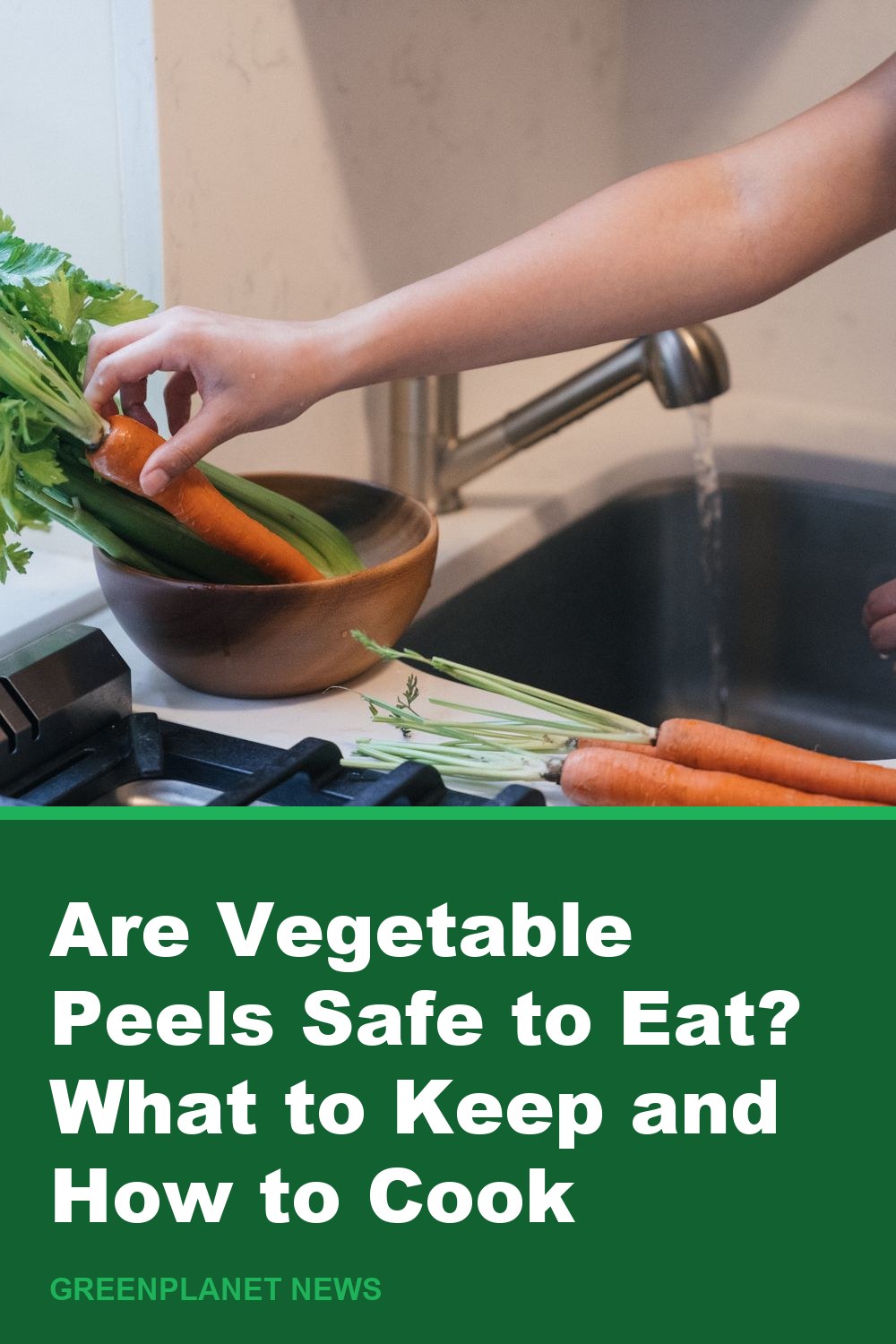
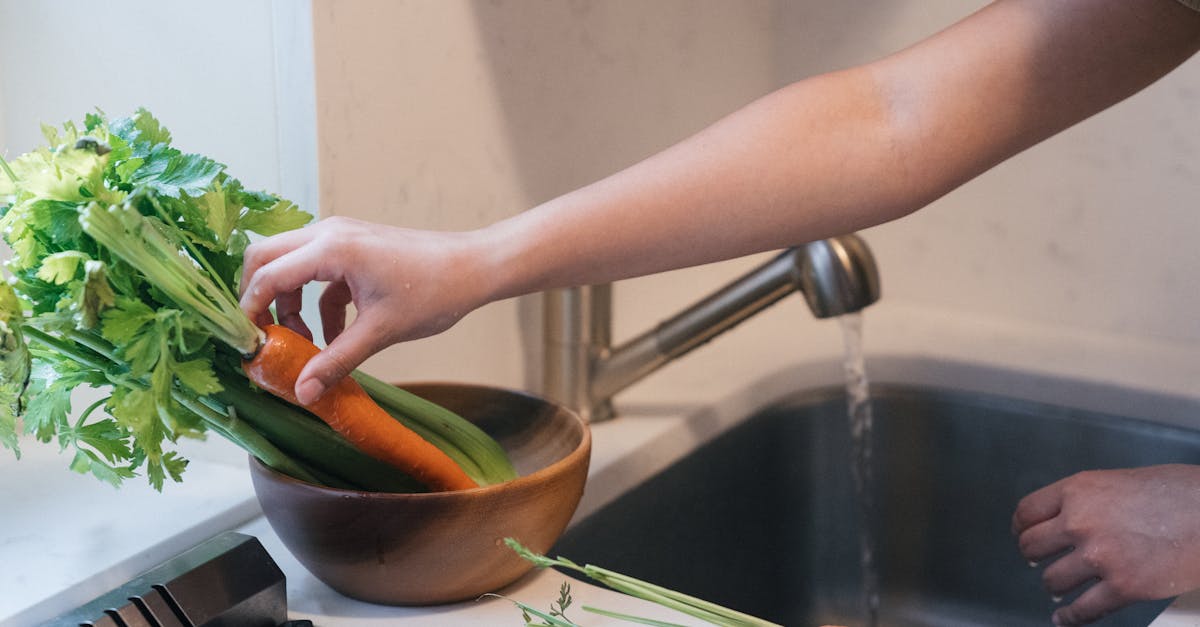
- Potato, carrot, parsnip, turnip, radish and beetroot skins can stay on if you wash the vegetable well, which also saves peeling time.
- A King's College London study found 10 of 12 types of produce had more fibre in the scraps than in the flesh, including 40% more in beetroot skin.
- Not every scrap can go straight on the plate: beetroot leaves need cooking, woody herb stems come out before eating, and some stalks are too fibrous.
Yes, many vegetable peels are safe to eat, and for root vegetables such as potatoes, carrots, parsnips and beetroot you can simply give them a good wash and leave the skin on. It matters now because a King's College London study, published in the International Journal of Food Sciences and Nutrition, found that the parts most of us bin are often the most fibre-rich. If you buy vegetables by weight, peeling means paying for food and then throwing some of it away.
The claim that sends peelings to the bin
The habit most households share is simple: peel the potato, deseed the squash, core the cauliflower, and put everything else in the bin or the caddy. The assumption behind it is that peels are dirty, tough or empty of value.
The research suggests otherwise. According to The Guardian's report on the study, people who routinely discard peels, skins, stalks and seeds are missing out on a valuable source of dietary fibre. Of the 12 types of produce the researchers analysed, 10 had higher fibre levels in the scraps than in the flesh. The researchers say that eating these overlooked parts could help with the fibre shortfall and with food waste.
What is true: the evidence on skins, cores and leaves
Here are the specific figures reported from the King's College study:
- Beetroot skin: 40% more fibre than the flesh.
- Celeriac skin: 84% more fibre than the flesh.
- Cauliflower core and leaves: 112% more fibre than the florets.
Skins you can leave on, according to The Guardian, include those of potatoes, carrots, parsnips, turnips, Jerusalem artichokes, radishes and ginger, as well as beetroot and celeriac. The instruction is to give them a good wash. That makes them quicker to prepare and more nutritious.
The fibre gap is large. Sammie Gill, a senior nutrition scientist at the British Nutrition Foundation, points out that 96% of adults do not meet the recommended daily intake of 30g of fibre. She adds that peels, stalks and seeds are also a rich source of plant chemicals such as polyphenols, which studies link with different health effects, from brain health to metabolic health.
Chefs agree on flavour as well as nutrition. Tom Heywood, chef-owner of Pignut & the Hare in North Yorkshire, says there is often more flavour in the skin and leaves. Adam Handling, whose zero-waste restaurants hold Michelin stars, says people often throw away cauliflower leaves and stalks even though they are full of flavour, and suggests roasting, pickling or fermenting them.
What is not true: three limits on the "eat it all" message
It is not a licence to skip washing. Every piece of advice on skins comes with the same condition: wash the vegetable well first. A scrub under the tap is the minimum.
It is not true that every scrap is ready to eat as it comes. Some parts need handling:
- Beetroot leaves need cooking. Heywood compares them to chard and simply blanches and dresses them.
- Woody herb stems, such as thyme and rosemary, can flavour stews and traybakes but must be removed before eating.
- Soft herb stems, such as parsley and coriander, can be used whole, finely chopped and added near the start of cooking.
- Asparagus ends are tough, which is why they are traditionally binned. Hunt suggests blending them into soup (ideally sieved) or blanching and whizzing them into a dressing or flavoured butter.
It is not guaranteed that every experiment works. Handling is frank about this: some stalks are too fibrous, and some results are too sour or have a texture that is not right. He sees that as part of cooking rather than wasted effort.
One more caution. The King's College findings are about fibre content, and the reporting I have covers a particular list of vegetables. It does not give a blanket rule for every fruit and vegetable skin. If you are unsure about a skin you have not eaten before, cook it in a small amount first or compost it.
Peeling is also still your choice. If you want a smoother mash or purée, peel, then bake the peelings with oil and seasoning to make vegetable crisps.
What it changes at home: a washing and cooking routine
The saving comes from two places: you pay for less waste, and you save the time of peeling. Here is a routine that costs almost nothing to start.
- Scrub, don't peel, your roots. Potatoes, carrots, parsnips, turnips, radishes, beetroot, celeriac and ginger can all go in with skins on. A dedicated brush makes the wash quick.
- Keep the cauliflower whole. Roast the leaves and stalks with the florets. Heywood grates the core into couscous or rice, and Oddbox suggests a cauliflower cheese made with florets, stalks and leaves together.
- Freeze ends until you have enough. Hunt freezes asparagus butts until there is enough for soup.
- Use the greens. Celery leaves can go raw into a salad, carrot tops can be blitzed into pesto, and beetroot leaves can be blanched.
- Dry odds and ends in a low oven. Heywood spreads carrot offcuts on a tray, leaves them in the oven on its lowest setting for several hours until fully dry, then blitzes them into a powder for sprinkling over dishes. This does mean running the oven for hours, so do it alongside other cooking when you can.
- Start with one ingredient. Handling's advice is to pick one scrap, experiment and see what happens. Pea pods can go in a risotto and banana skin can become a chutney.
Waste is cheaper to prevent than to manage, so keep produce in good shape too. Our post on a seaweed coating that keeps strawberries fresh without a fridge shows how much researchers care about spoilage. Whatever really cannot be eaten, such as tough ends or trimmings that did not work out, can still go in a compost bin. See how composting projects are being funded for the wider picture of keeping food scraps out of landfill.
Quick sort: keep, cook or compost
- Keep on, washed: potato, carrot, parsnip, turnip, radish, beetroot, celeriac, Jerusalem artichoke and ginger skins.
- Cook first: beetroot leaves, asparagus ends, cauliflower leaves and stalks (roast, pickle or ferment).
- Eat raw: celery leaves in salad; soft herb stems chopped fine.
- Flavour only, then remove: woody thyme and rosemary stems.
- Compost if it did not work: stalks that are too fibrous or a batch that turned out sour.
As an Amazon Associate I earn from qualifying purchases: if you buy through these links I may earn a small commission, at no extra cost to you. Each link opens a search on the Amazon store for your country.
Watch or listen to this episode
Sources
Photo: Mike Jones / Pexels

I'm an Italian creator who builds apps, games and websites. I run GreenPlanet News with the help of AI tools: every article starts from the sources linked above, and I check what goes out. I'm not a doctor, a lawyer or a financial adviser. Spotted a mistake or have an idea? Write to me.
Instagram @spartaco_94_My websiteWrite to meAbout this blog










 Green Investing 101: A Beginner's Guide to Sustainable Investments





